Clinical Report: Artificial Intelligence in Optometry
Overview
Artificial Intelligence (AI) is increasingly relevant in optometry, enhancing diagnostic accuracy and facilitating teleoptometry. The current landscape highlights the importance of Narrow AI applications, particularly in screening and monitoring eye conditions.
Background
The integration of AI into healthcare, particularly in optometry, is transforming patient care through improved data analysis and decision-making capabilities. Understanding AI's role is crucial as it can enhance diagnostic accuracy and streamline administrative tasks. As the eyecare industry evolves, the need for interconnectivity and data sharing becomes paramount to maximize AI's potential.
Data Highlights
No numerical data provided in the source material.
Key Findings
AI is categorized into Narrow AI, General AI, and Super AI, with Narrow AI currently being the only existing form.
Examples of Narrow AI in optometry include autorefractors and corneal topography.
Deep-learning algorithms have improved diagnostic accuracy in optometry, sometimes rivaling human practitioners.
AI facilitates remote screenings and enhances electronic health records for administrative efficiency.
Interconnectivity is essential for sharing patient databases to predict disease risk effectively.
Clinical Implications
Clinicians should be aware of the capabilities and limitations of AI technologies in optometry to enhance patient care. Emphasizing human oversight and local validation of AI tools is critical to ensure safe and effective implementation in clinical practice.
Conclusion
AI is poised to augment the practice of optometry, offering significant advancements in diagnostic capabilities and operational efficiency. Ongoing education and adaptation to these technologies will be essential for practitioners.
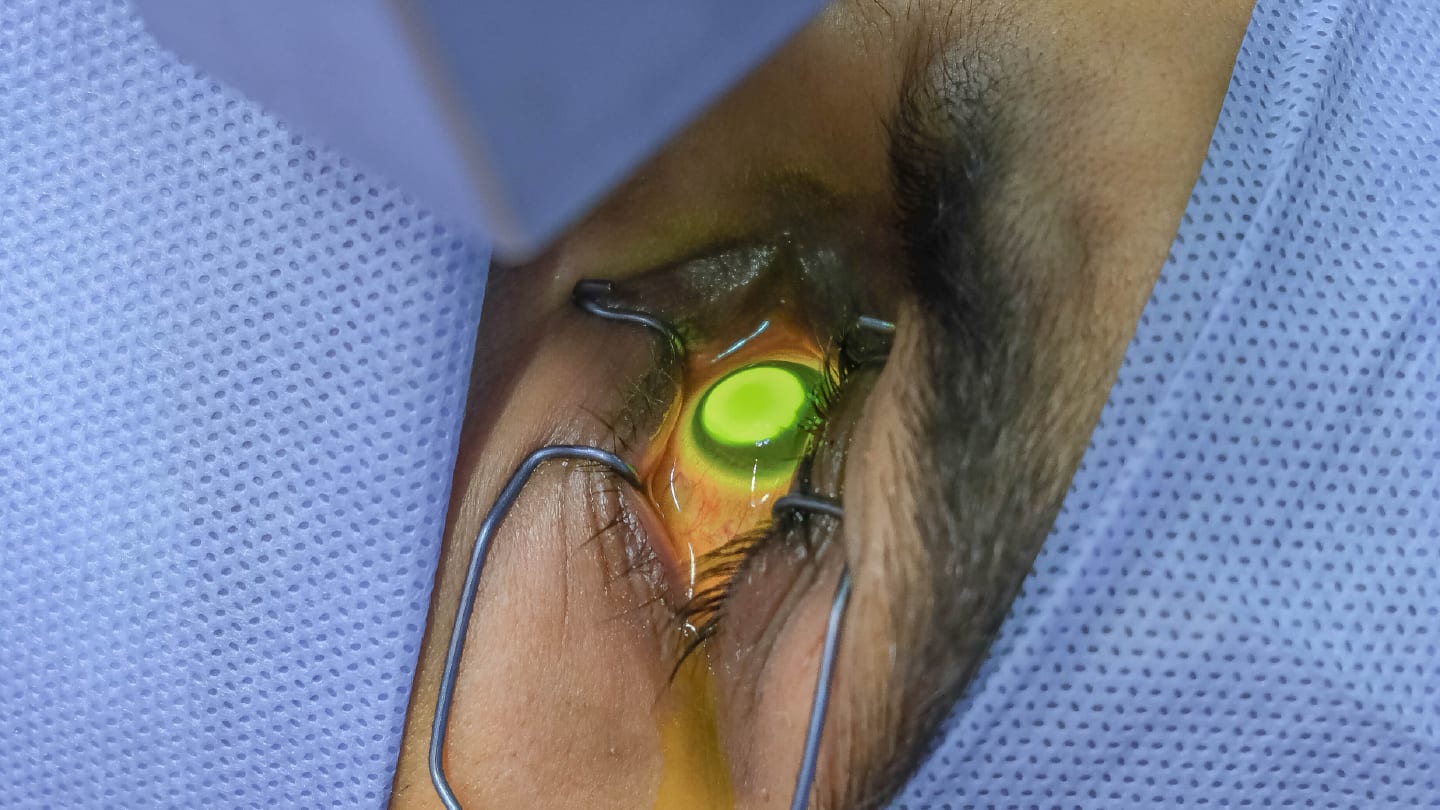
Providing crosslinking procedures in an ophthalmology practice is not for the faint of heart. Ultimately, despite its clinical importance, offering crosslinking remains financially challenging for many practices.