Clinical Report: Inflammasome Pathways Involving NLR in Metabolic Disorders
Overview
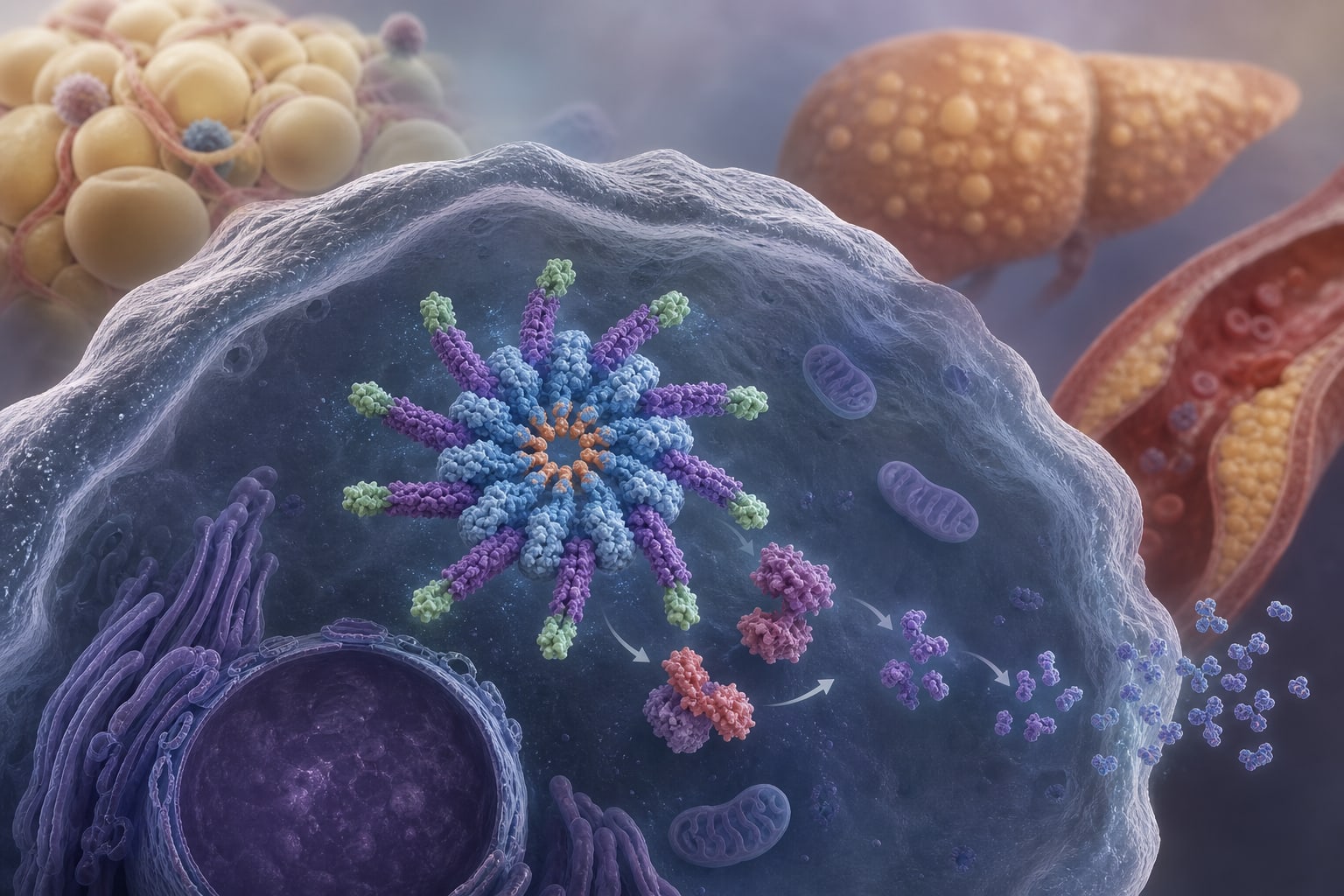
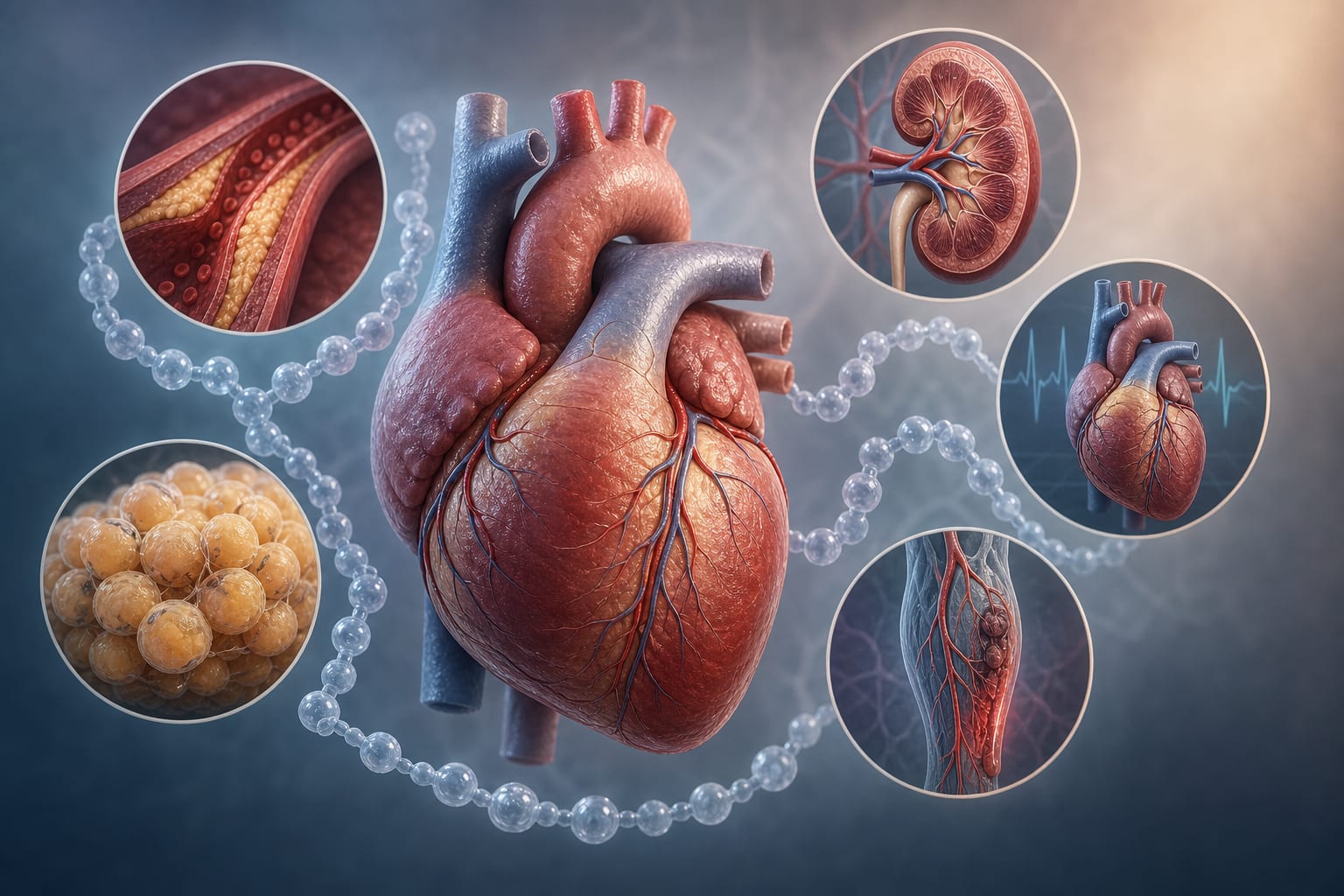
This report discusses the role of NOD-like receptor (NLR) inflammasomes in metabolic disorders, highlighting the involvement of various NLR family members beyond NLRP3. It evaluates therapeutic strategies targeting these pathways and their potential in treating conditions like obesity and type 2 diabetes mellitus.
Background
Metabolic diseases such as obesity and type 2 diabetes mellitus are on the rise globally, with chronic low-grade inflammation being a key factor in their progression. NLR inflammasomes, particularly NLRP3, are crucial in mediating the link between metabolic dysfunction and inflammation. Understanding these pathways is essential for developing targeted therapies.
Data Highlights
No numerical data or trial data presented in the article.
Key Findings
The NLR inflammasome system detects various danger signals, including PAMPs, DAMPs, and MAMPs.
NLRP1, NLRP6, NLRC5, and NLRP12 are implicated in metabolic disorders alongside NLRP3.
Chronic inflammation in metabolic diseases is driven by the activation of NLR inflammasomes.
Therapeutic strategies include small-molecule inhibitors and cytokine blockade targeting inflammasome components.
Precision modulation of inflammasomes shows promise but has limitations in clinical application.
Clinical Implications
Healthcare professionals should consider the role of NLR inflammasomes in the pathophysiology of metabolic disorders when developing treatment plans. Targeting these pathways may offer new therapeutic avenues, although current clinical guidelines do not recommend routine use of NLR-targeted drugs.
Conclusion
The NLR inflammasome pathways present significant opportunities for understanding and treating metabolic disorders. Continued research is necessary to translate these findings into effective clinical interventions.
Researchers analyzed UK Biobank data to determine whether spending sedentary time in prolonged vs interrupted bouts was associated with subsequent cancer incidence and cancer mortality.