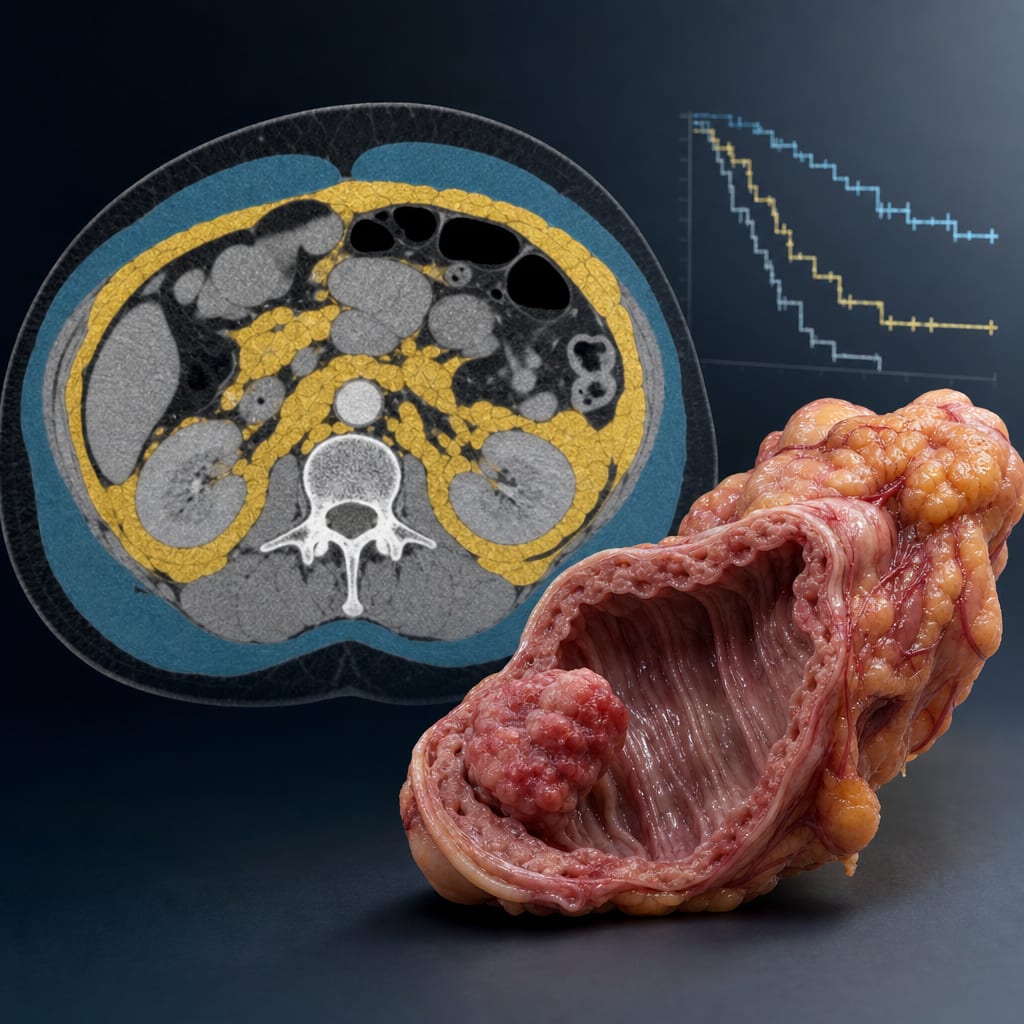
Severe Obesity and Bariatric Surgery Increase Risk of Inflammatory Bowel Disease
Overview
This population-based study from Catalonia found that severe obesity and bariatric surgery independently increase the risk of developing inflammatory bowel disease (IBD). Incidence rates of IBD were higher in individuals with severe obesity and those who underwent bariatric surgery compared to those with obesity alone.
Background
Inflammatory bowel disease (IBD), including Crohn’s disease and ulcerative colitis, is a chronic inflammatory condition influenced by genetic and environmental factors. Obesity prevalence has risen alongside IBD, and obesity may promote IBD development through proinflammatory states and microbiome disturbances. Previous studies on the relationship between bariatric surgery and IBD risk have been inconclusive, necessitating further investigation.
Data Highlights
Group
Number of Individuals
IBD Incidence Rate (cases per 1000 person-years)
Severe Obesity (SO)
93,473
0.90
Obesity
1,009,256
0.60
Bariatric Surgery (BS)
14,698
0.84
Key Findings
Severe obesity was associated with a 46% increased risk of developing IBD (HR 1.46; 95% CI 1.31-1.62).
Bariatric surgery independently increased IBD risk by 57% (HR 1.57; 95% CI 1.25-1.97).
Smoking habit was also a significant risk factor for IBD (HR 1.57; 95% CI 1.46-1.69).
Both Crohn’s disease and ulcerative colitis risks were elevated in severe obesity and post-bariatric surgery groups.
Individuals with obesity alone had a lower incidence rate of IBD compared to those with severe obesity or bariatric surgery.
Clinical Implications
Clinicians should recognize severe obesity and bariatric surgery as independent risk factors for IBD development. Noninvasive screening for IBD may be warranted in patients with severe obesity or those who have undergone bariatric surgery to enable earlier diagnosis and management. Smoking cessation remains an important modifiable risk factor in this population.
Conclusion
Severe obesity and bariatric surgery are independently associated with increased risk of developing inflammatory bowel disease. These findings support the need for heightened clinical awareness and potential screening strategies in these high-risk groups.
References
Original Article 2024 -- Severe Obesity as a Risk Factor for Inflammatory Bowel Disease: Findings from a Population-Based Analysis