Risk factors for postoperative adverse outcomes in patients with high anal fistula undergoing modified TROPIS procedure combined with Parks’ fistulotomy with seton: a retrospective study - Report - MDSpire
Advertisement
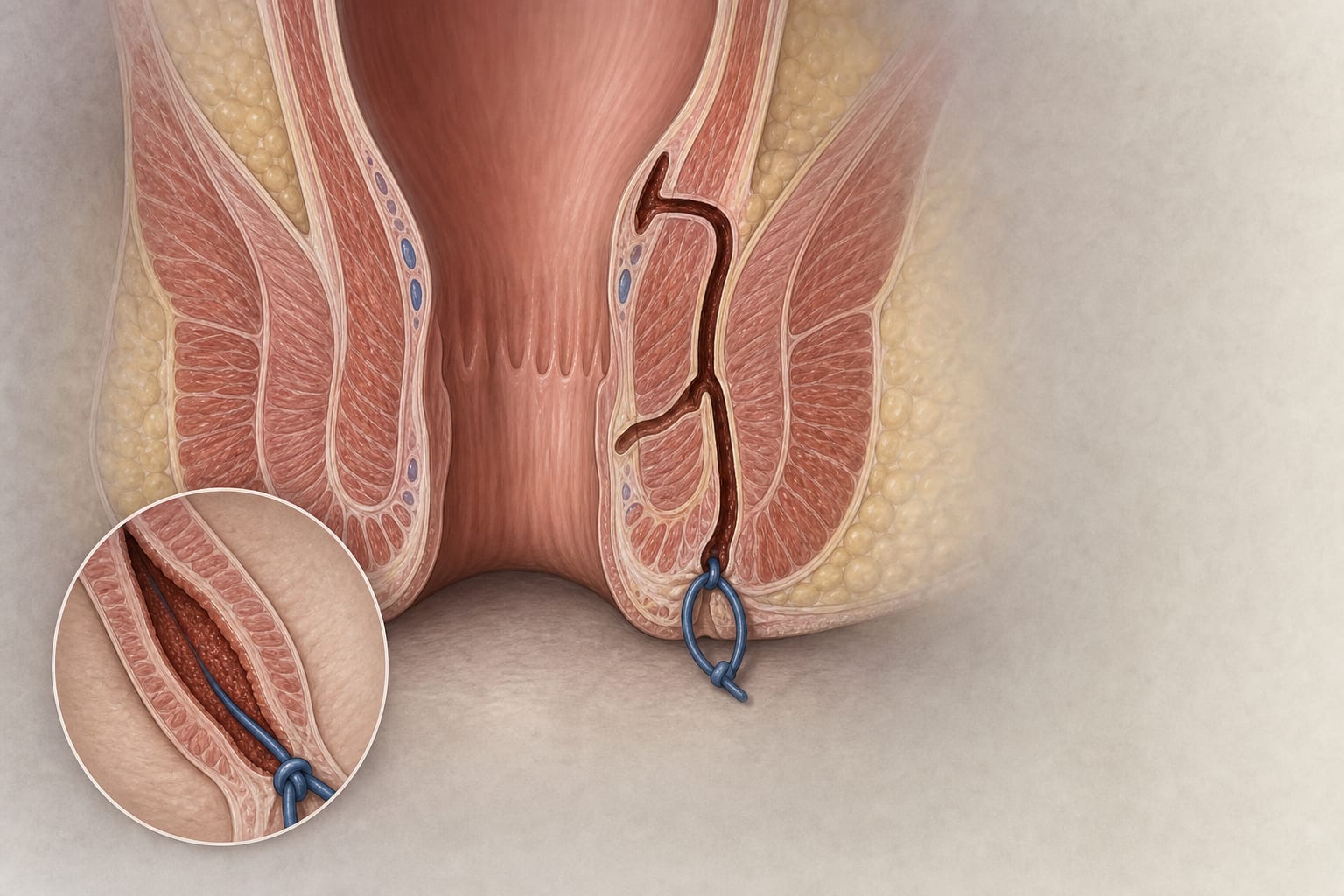
Identifying Risk Factors for Postoperative Complications in High Anal Fistula Patients Undergoing Modified TROPIS with Parks’ Fistulotomy and Seton: A Retrospective Analysis
Clinical Report: Identifying Risk Factors for Postoperative Complications in High Anal Fistula Patients
Overview
Revise to include direct source attribution for the 22.5% adverse outcomes rate.
Background
Remove unsupported claims about improving patient outcomes or provide appropriate citations.
Data Highlights
Outcome
Rate (%)
Postoperative adverse outcomes
22.5
Recurrence
8.3
Incontinence
6.9
Delayed healing
10.1
Major complications
3.7
Key Findings
Postoperative adverse outcomes occurred in 22.5% of patients.
Identified risk factors include diabetes mellitus, horseshoe extension, and internal sphincter incision >50% circumference.
Operative time >60 minutes and BMI ≥ 28 kg/m2 were also significant risk factors.
The study demonstrated good discrimination in risk stratification with a C-statistic of 0.82.
High-risk patients had an adverse outcome rate of 41.2% compared to 14.0% in low-risk patients.
Clinical Implications
The identification of specific risk factors for adverse outcomes can aid in preoperative counseling and risk stratification for patients undergoing modified TROPIS with Parks’ fistulotomy and seton. This information may help clinicians optimize surgical strategies and improve patient management.
Conclusion
Revise to avoid implications about clinical implementation without proper sourcing.