Identification and analysis of diagnostic senescence-related gene signatures for acute myocardial infarction based on multi-omics data and machine learning - Report - MDSpire
Advertisement
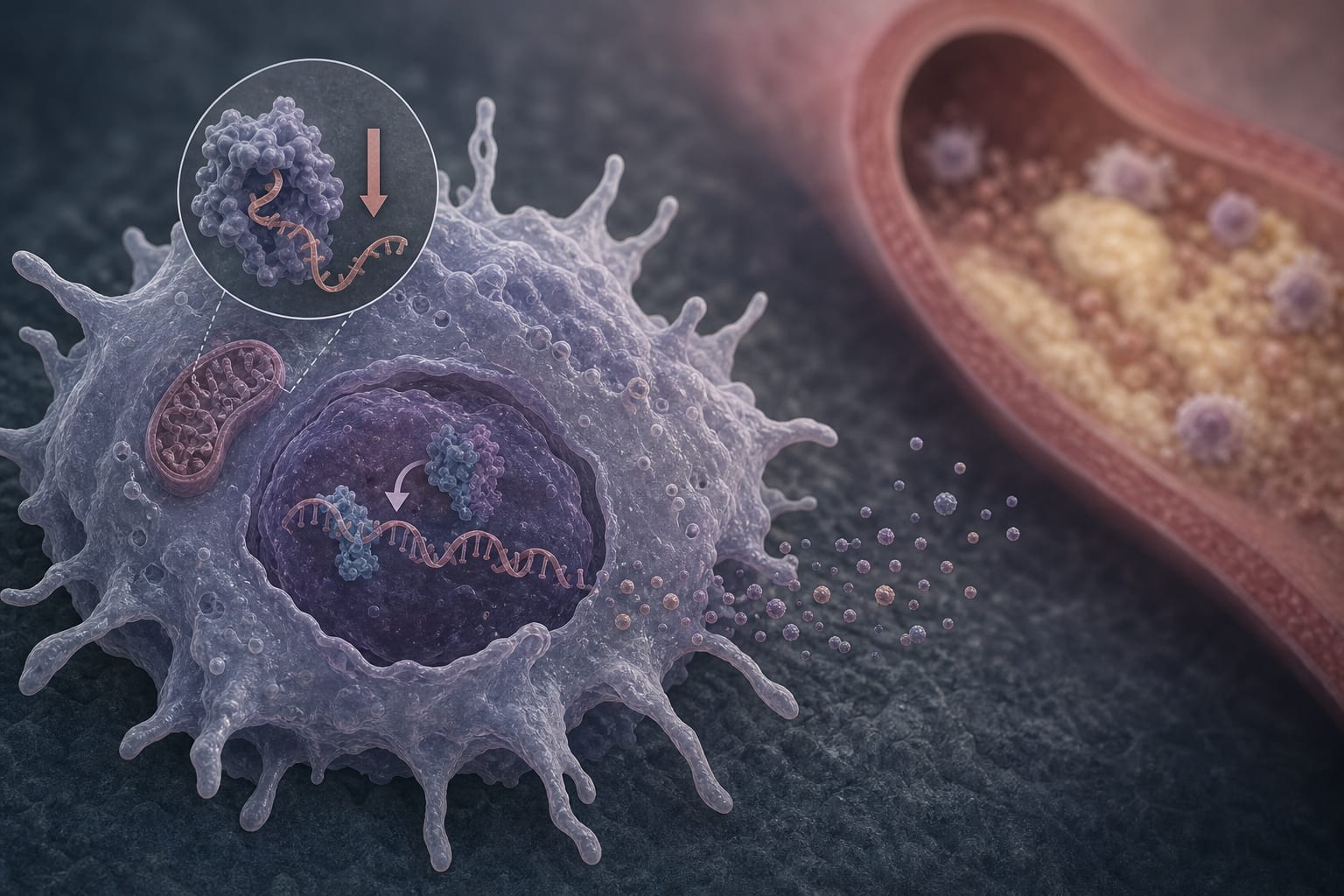
Identification and analysis of diagnostic senescence-related gene signatures for acute myocardial infarction based on multi-omics data and machine learning
Clinical Report: Characterization and evaluation of senescence-related gene signatures for acute myocardial infarction
Overview
This study identifies 13 senescence-related genes (SRGs) associated with acute myocardial infarction (AMI) and develops multi-dimensional models for diagnosis and patient stratification. Notably, the four-gene diagnostic model achieved an AUC of 0.808, indicating its potential clinical utility.
Background
Acute myocardial infarction (AMI) poses significant health risks, particularly as the population ages. The identification of novel biomarkers, particularly senescence-related genes, is crucial for improving diagnosis and patient outcomes. Understanding the role of cellular senescence in AMI may enhance therapeutic strategies and patient management.
Data Highlights
Gene
Diagnostic Relevance
FOS
Consistent
SOD2
Consistent
MXD1
Consistent
GRN
Consistent
Key Findings
Thirteen AMI-associated senescence-related genes (SRGs) were identified.
The four-gene diagnostic model (FOS, SOD2, MXD1, GRN) achieved an AUC of 0.808.
Patient stratification revealed a low-senescence group enriched in anti-inflammatory cells.
A high-senescence group was characterized by pro-inflammatory neutrophil infiltration.
The senescence score showed a moderate positive correlation with neutrophil infiltration.
Clinical Implications
The identification of specific SRGs may aid in the development of diagnostic tools for AMI, potentially improving patient stratification and management. Clinicians should consider the role of cellular senescence in the inflammatory response following AMI as a target for future therapeutic interventions.
Conclusion
This study highlights the potential of senescence-related biomarkers in the diagnosis and management of AMI. Further research is warranted to validate these findings and explore their clinical applications.