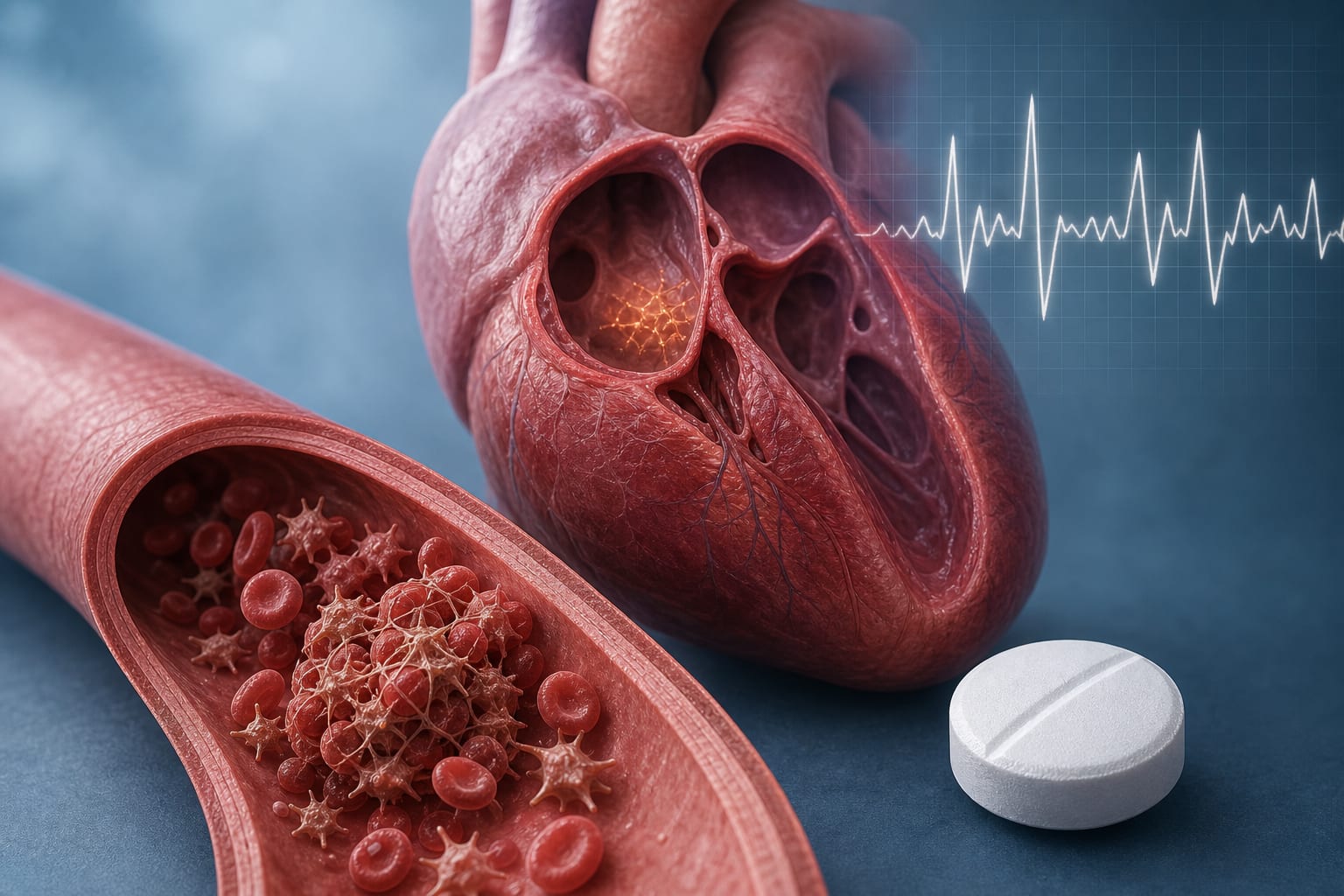
Clinical Report: NFIL3 as a Key Immune Regulator in Septic Cardiomyopathy
Overview
This study identifies NFIL3 as a critical immune regulator linked to hypoxia in septic cardiomyopathy (SCM). The findings suggest that NFIL3 may serve as a potential biomarker and therapeutic target for sepsis-related myocardial injury.
Background
Septic cardiomyopathy is a severe complication of sepsis, characterized by cardiac dysfunction and high mortality rates. Understanding the molecular mechanisms underlying SCM is essential for developing effective diagnostic and therapeutic strategies. This study highlights the role of hypoxia-driven immune dysregulation in SCM, emphasizing the need for targeted interventions.
Data Highlights
Key Findings
NFIL3, TGM2, and SDC4 identified as hub genes in septic myocardium.
Increased macrophage infiltration observed in septic myocardium.
Genetically predicted higher NFIL3 expression linked to increased sepsis risk.
NFIL3 negatively regulates macrophage inflammatory responses via NF-κB inhibition.
Key Findings
Septic myocardium shows activation of hypoxia-related signaling pathways.
NFIL3, TGM2, and SDC4 are key hypoxia-associated hub genes with diagnostic potential.
Single-cell analysis reveals NFIL3 enrichment in macrophages during sepsis.
In vivo and in vitro studies confirm upregulation of NFIL3 and HIF-1α in myocardial macrophages.
NFIL3 plays a role in modulating macrophage inflammatory responses.
Clinical Implications
The identification of NFIL3 as a key regulator in SCM suggests its potential as a biomarker for early diagnosis and a target for therapeutic intervention. Understanding the immune landscape in septic myocardium may guide more effective treatment strategies for patients with sepsis-related cardiac dysfunction.
Conclusion
This study elucidates the role of NFIL3 in septic cardiomyopathy, linking hypoxia-driven immune dysregulation to cardiac injury. These insights pave the way for novel diagnostic and therapeutic approaches in managing sepsis and its cardiovascular complications.