Rethinking preeclampsia: six paradigm shifts in placental pathophysiology for maternal–foetal medicine - Report - MDSpire

Rethinking preeclampsia: six paradigm shifts in placental pathophysiology for maternal–foetal medicine

  • By

  • Can Bilginer

  • Ali Çetin

  • June 22, 2026

  • 0 min

Share

Clinical Report: Reevaluating Preeclampsia: Six Key Changes in Placental Pathophysiology

Background

Preeclampsia is a significant complication affecting 2-4% of pregnancies globally, contributing to maternal and perinatal morbidity and mortality. The traditional two-stage model of preeclampsia has been challenged by recent findings that suggest a need to reevaluate its underlying mechanisms.

Data Highlights

No numerical data provided in the source material.

Key Findings

  • First-trimester villous origins are implicated rather than second-trimester deep-placentation failure.
  • Intervillous hyperoxia is observed instead of placental hypoxia in early-onset disease.
  • Metabolic and glycocalyx-based pathogenesis is emphasized over pure angiogenic imbalance.
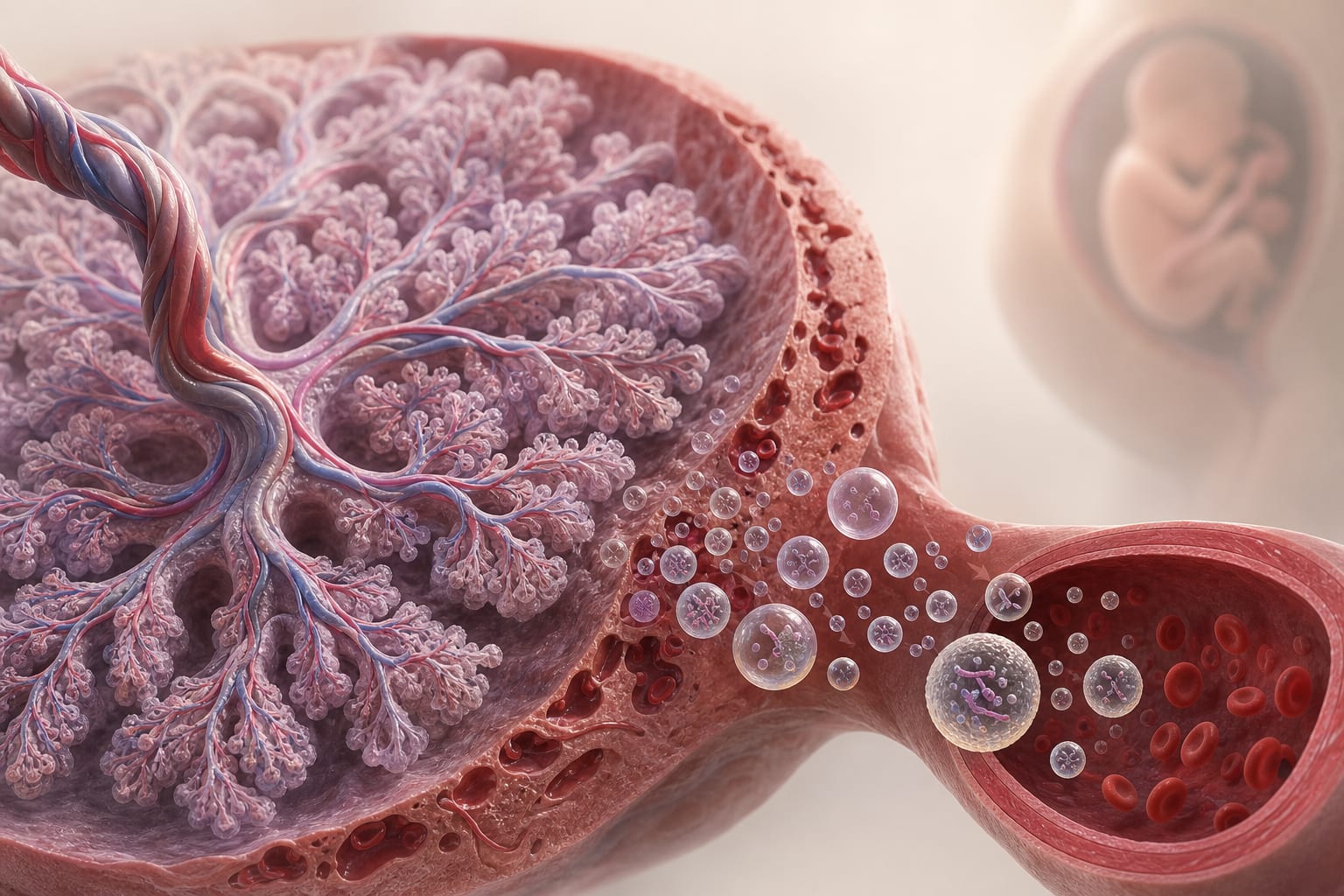
  • The placenta acts as an endogenous exposome via extracellular vesicles.
  • There is a steroid imbalance coupled with alternative renin–angiotensin–leptin signaling.
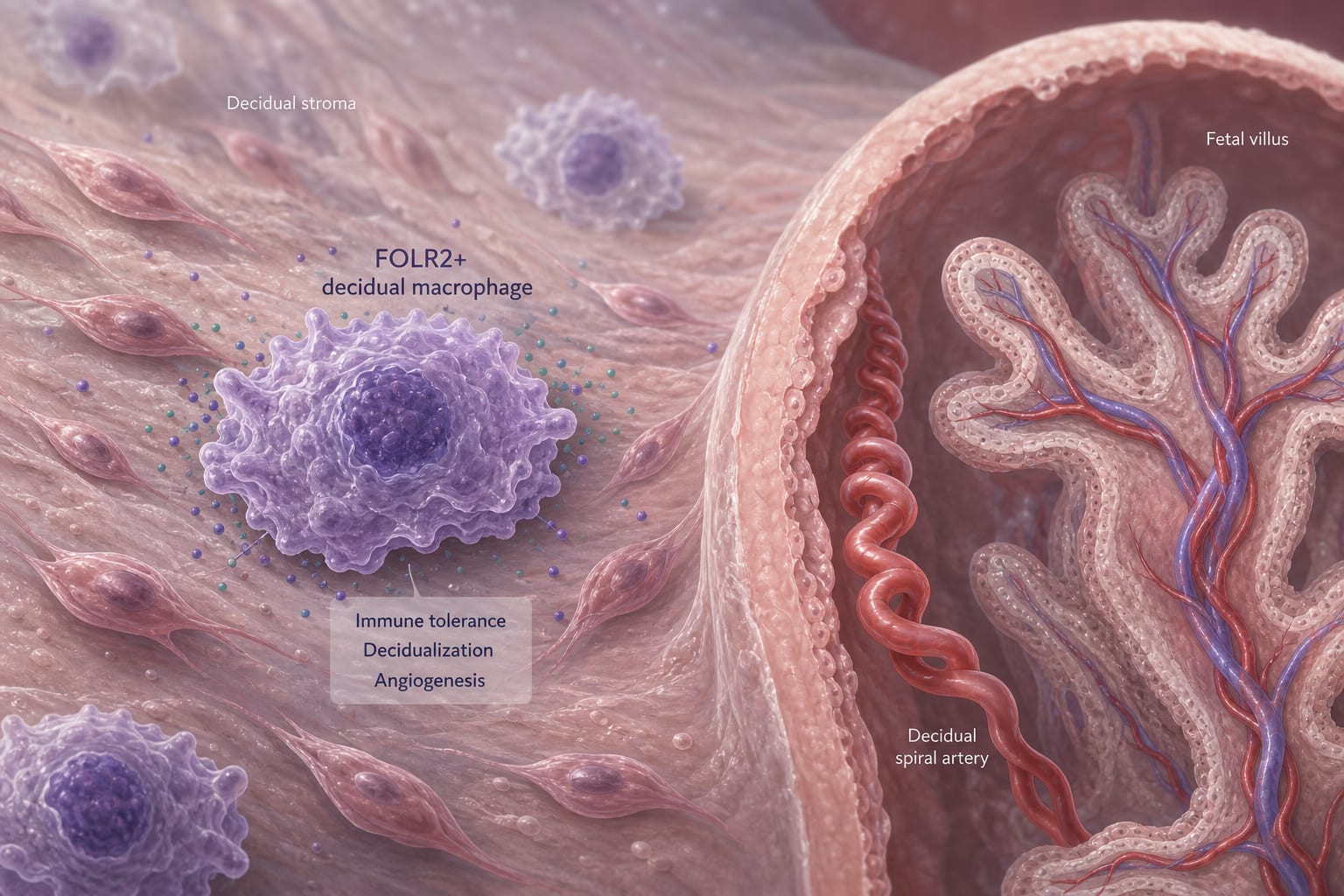
  • Reduced immune tolerance and dynamic in vitro models challenge previous static interpretations.

Clinical Implications

The findings may inform future research directions in maternal-fetal medicine.

Conclusion

The six paradigm shifts in understanding preeclampsia highlight the evolving nature of its assessment and management.

Related Resources & Content

  1. Huppertz B, et al., Medical University of Graz, 2026 -- Reevaluating Preeclampsia: Six Key Changes in Placental Pathophysiology for Maternal-Fetal Health
  2. Endocrine Reviews — Placental Steroid Hormones in Preeclampsia: Multilayered Regulation of Endocrine Pathogenesis
  3. BMC Pregnancy and Childbirth — Altered Notch pathway-related protein expression in cord blood of preeclampsia offspring: a pilot study
  4. BMC Pregnancy and Childbirth — Identifying biomarkers of the serum proteins and metabolites associated with severe preeclampsia
  5. BMC Pregnancy and Childbirth — The association of the ALBI score with disease severity and perinatal outcomes in the preeclampsia spectrum
  6. Placental Steroid Hormones in Preeclampsia: Multilayered Regulation of Endocrine Pathogenesis
  7. Altered Notch pathway-related protein expression in cord blood of preeclampsia offspring: a pilot study
  8. Identifying biomarkers of the serum proteins and metabolites associated with severe preeclampsia
  9. Updated checklists for preeclampsia risk-factor screening to guide recommendations for prophylactic low-dose aspirin
  10. PLGF-based testing to help diagnose suspected preterm pre-eclampsia
  11. Targeted removal of soluble Fms-like tyrosine kinase 1 in very preterm preeclampsia: a pilot trial | Nature Medicine

Original Source(s)

Related Content