Correction: Gut microbiota in type 2 diabetes mellitus: mechanistic links between dysbiosis, insulin resistance, and chronic low-grade inflammation - Report - MDSpire
Advertisement
Correction: Gut microbiota in type 2 diabetes mellitus: mechanistic links between dysbiosis, insulin resistance, and chronic low-grade inflammation
Correction: The Role of Gut Microbiota in Type 2 Diabetes Mellitus
Overview
This correction addresses the omission of author Danru Jin as an equal contributor in the study on gut microbiota's role in type 2 diabetes mellitus (T2DM). The original findings highlight the connection between gut dysbiosis, insulin resistance, and chronic inflammation in T2DM.
Background
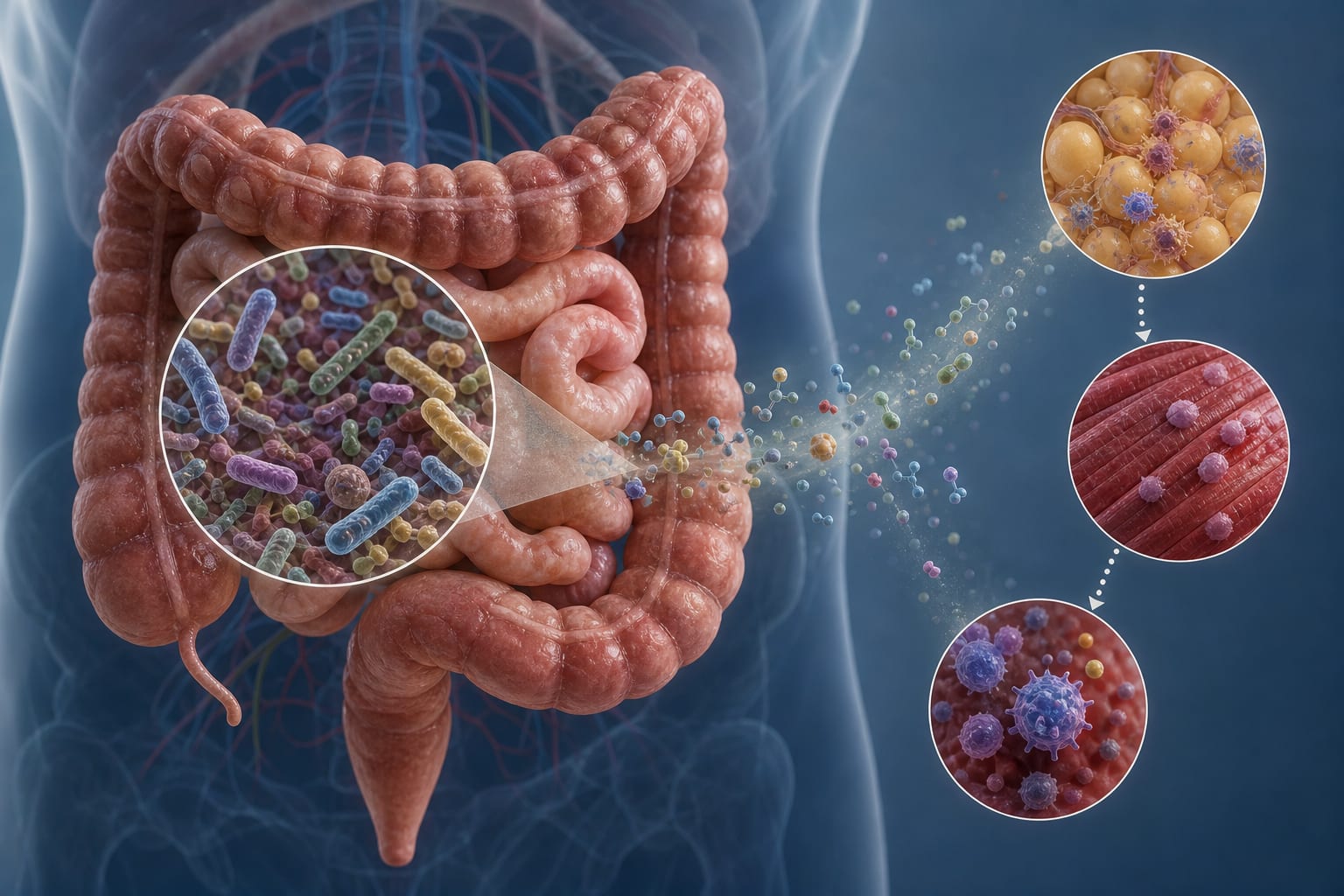
Type 2 diabetes mellitus (T2DM) is a significant global health concern characterized by metabolic and inflammatory disturbances. Recent research emphasizes the role of gut microbiota in T2DM, particularly how dysbiosis can affect insulin signaling and immune responses. Understanding these mechanisms is crucial for developing effective prevention and treatment strategies for T2DM.
Data Highlights
No numerical data or trial results are presented in the correction article.
Key Findings
Gut dysbiosis in T2DM is associated with reduced butyrate-producing microorganisms.
Opportunistic Gram-negative pathobionts contribute to endotoxemia and mucosal inflammation in T2DM.
The correction clarifies the equal contribution of Danru Jin to the research.
Understanding gut microbiota's role may inform future therapeutic strategies for T2DM.
Chronic low-grade inflammation is a key feature linking dysbiosis and insulin resistance.
Clinical Implications
Clinicians should consider the role of gut microbiota in managing T2DM and explore potential therapeutic avenues that target microbiome health. Awareness of the interconnectedness of gut health and metabolic disorders can guide more comprehensive treatment approaches.
Conclusion
This correction underscores the importance of accurate authorship in scientific publications and reinforces the need for ongoing research into the gut microbiota's impact on type 2 diabetes.
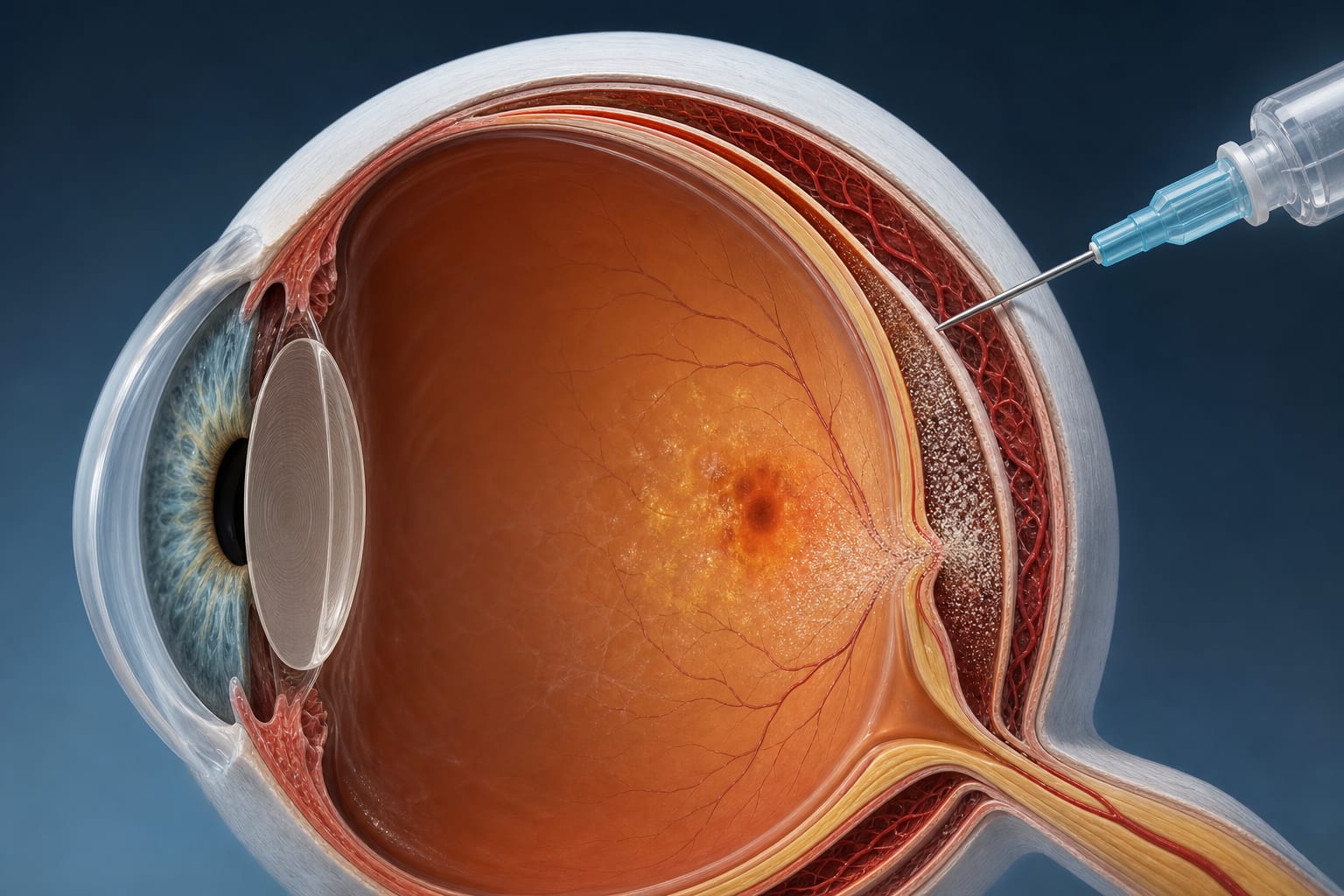
A pharmacovigilance analysis of FDA adverse event reports finds the strongest ischemic optic neuropathy reporting signal with high-dose semaglutide formulations, with higher adjusted odds reported in men.