VR-based nature interventions for health promotion in long-term care facilities (Nature Boost)—a mixed-methods feasibility study protocol - Report - MDSpire
Advertisement
VR-based nature interventions for health promotion in long-term care facilities (Nature Boost)—a mixed-methods feasibility study protocol
Feasibility Study Protocol for a Virtual Reality Nature Intervention
Overview
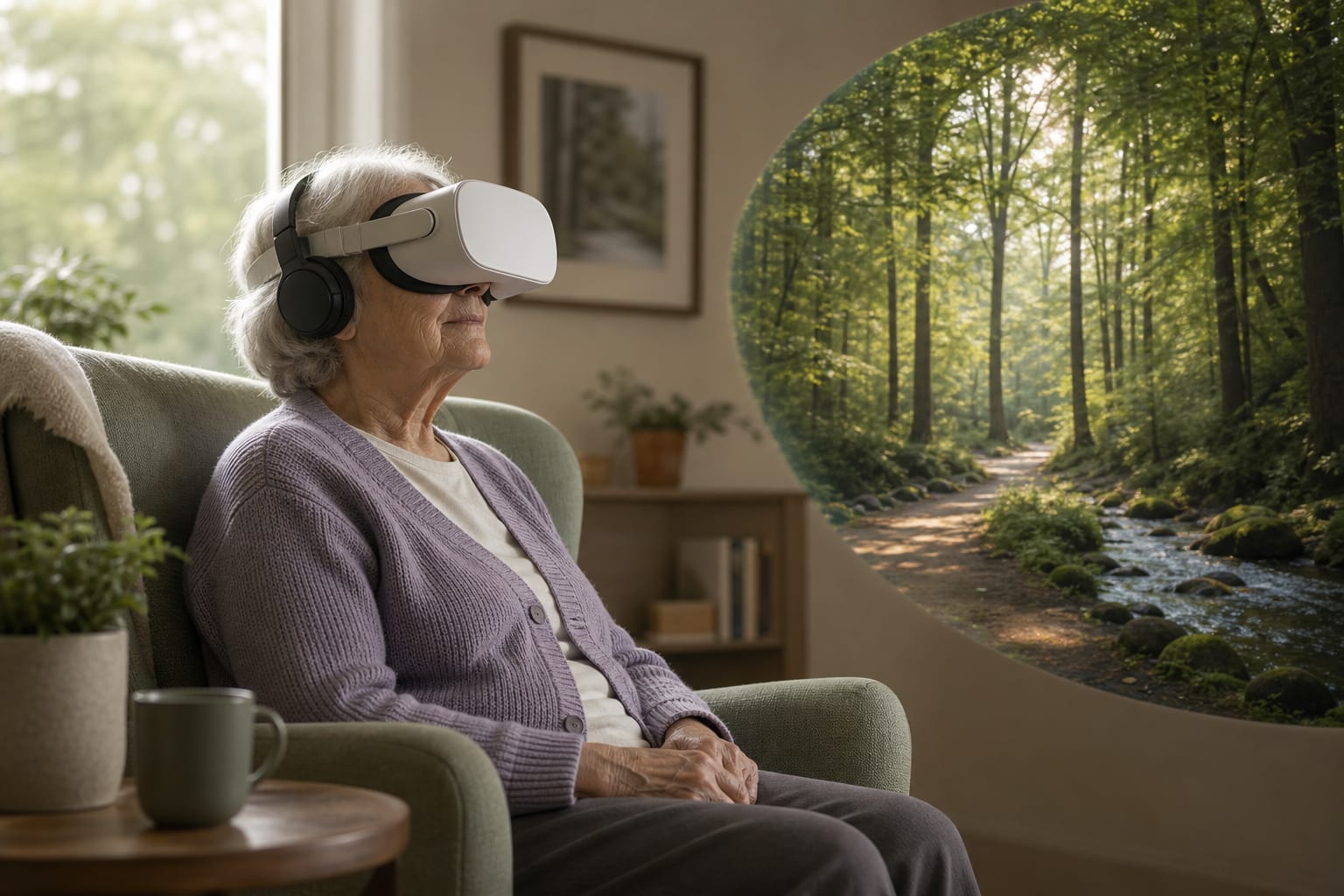
This feasibility study aims to evaluate the acceptability of a virtual reality nature intervention in long-term care settings, assessing qualitative outcomes through interviews and quantitative outcomes related to sleep quality, anxiety, depressive symptoms, well-being, loneliness, and trust in nursing staff.
Background
The increasing global elderly population and the projected shortage of nursing staff highlight the need for innovative interventions in long-term care. Residents often face challenges such as loneliness and cognitive decline, exacerbated by limited social interactions.
Data Highlights
This study will involve ten residents and ten nursing staff members participating in twelve 15-minute virtual reality sessions over four weeks. Primary outcomes will be assessed qualitatively through interviews, while secondary outcomes will include sleep quality, anxiety, depressive symptoms, well-being, loneliness, and trust in nursing staff, analyzed quantitatively.
Key Findings
The study will qualitatively assess the feasibility of a virtual reality nature intervention in long-term care.
Residents will engage in three virtual reality sessions each week for four weeks.
Nursing staff will support residents during one session each week.
Secondary outcomes will be quantitatively analyzed, including measures of sleep quality and emotional well-being.
Clinical Implications
Understanding the psychosocial effects of such interventions can guide the development of supportive care strategies.
Conclusion
This feasibility study will provide insights into the implementation of virtual reality interventions in long-term care.