Conexiant’s news site is now MDSpire News. Learn more
Advertisement
Comprehensive Transcriptomic and Immune Profiling Identifies Unique Mitochondrial and Immune Signatures in COVID-19 Related ARDS Necessitating Invasive Mechanical Ventilation
Clinical Report: Unique Mitochondrial and Immune Signatures in COVID-19 ARDS
Overview
This study identifies distinct transcriptomic and immune profiles in patients with COVID-19 related ARDS requiring invasive mechanical ventilation (IMV). Key findings include significant differences in hospital stays, mortality rates, and specific gene expression patterns between IMV and non-IMV patients.
Background
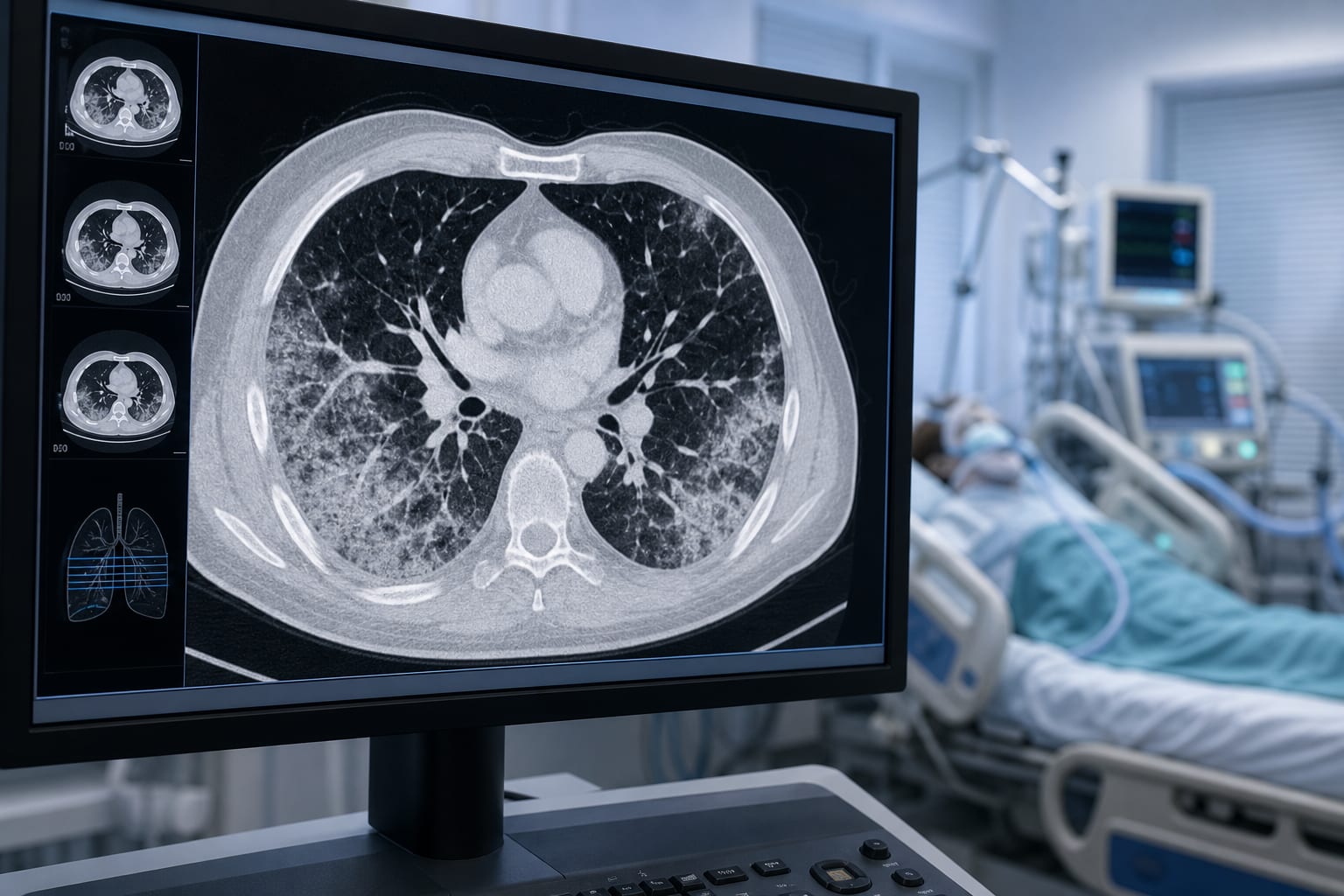
COVID-19 related acute respiratory distress syndrome (ARDS) is a severe condition that often leads to respiratory failure and necessitates invasive mechanical ventilation. Understanding the molecular mechanisms and identifying reliable prognostic biomarkers are critical for managing patients at risk of severe disease progression. This study aims to elucidate the transcriptomic and immune signatures associated with the need for IMV in COVID-19 ARDS patients.
Data Highlights
Parameter
IMV Group
Non-IMV Group
p-value
Hospital Stay (days)
43.0
19.5
0.001
ICU Stay (days)
39.6
9.1
<0.01
28-day Mortality
45.5%
12.0%
0.04
Key Findings
Patients requiring IMV had longer hospital stays (43.0 vs. 19.5 days, p = 0.001).
ICU stays were significantly longer in the IMV group (39.6 vs. 9.1 days, p < 0.01).
28-day mortality was higher in IMV patients (45.5% vs. 12.0%; aOR = 8.78, p = 0.04).
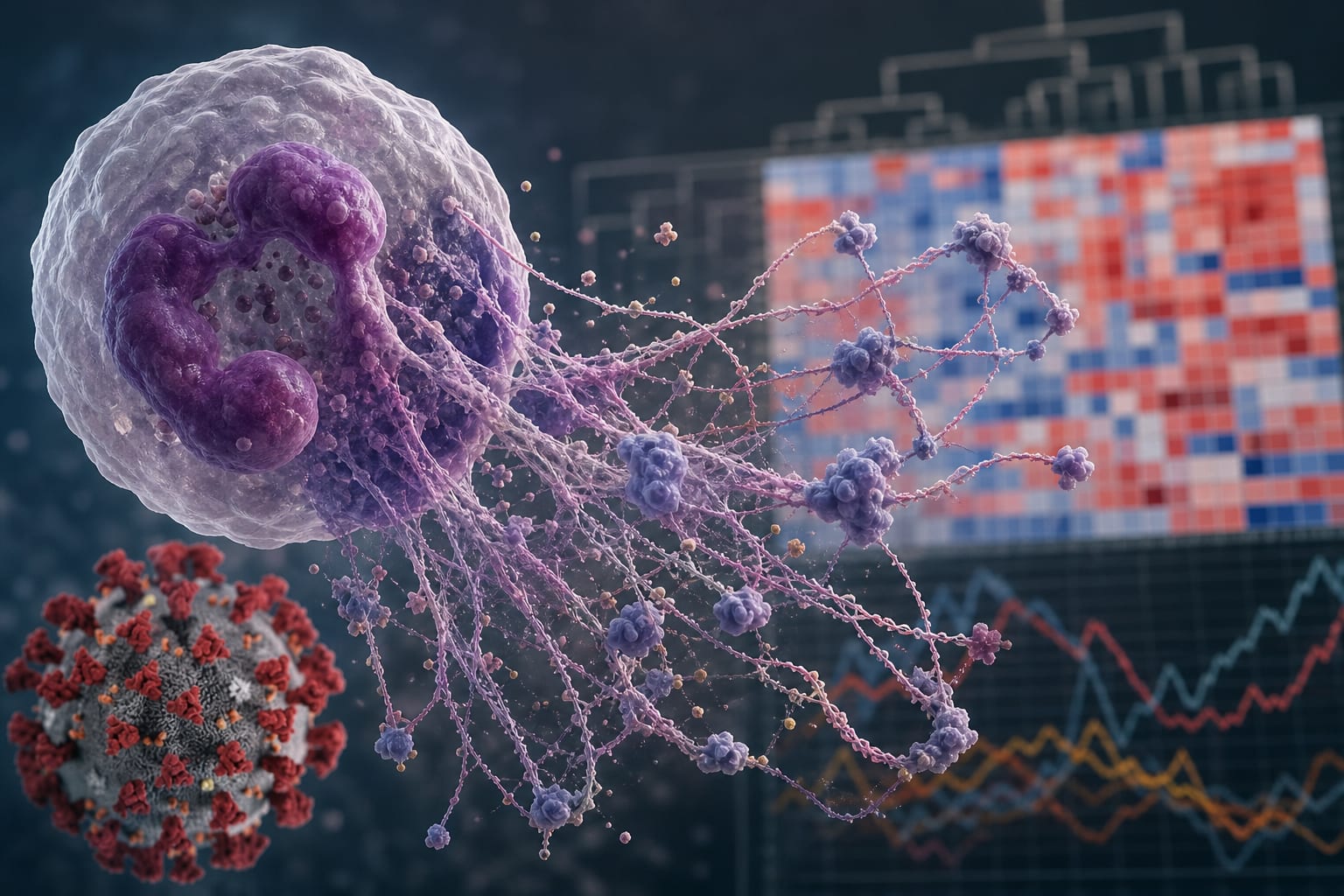
Transcriptomic analysis revealed 36 differentially expressed genes (DEGs) at day 4 and 21 DEGs at day 8 in IMV patients.
Elevated plasma IL-6, IL-8, and IL-10 were observed in the IMV group, with IL-10 showing the strongest predictive value (AUC 0.74, p = 0.0002).
Higher percentage of CD57− NK cells was found at baseline in the non-IMV group.
Clinical Implications
The identification of specific transcriptomic and immune profiles associated with IMV in COVID-19 ARDS patients may aid in the development of prognostic biomarkers. Understanding these profiles could enhance clinical decision-making regarding patient management and treatment strategies.
Conclusion
This study highlights the distinct molecular signatures in patients with COVID-19 ARDS requiring IMV.
by Deepa B. Gotur, Diksha M. Gowda, Decha Pinkaew, Aijun Zhang, Spencer Hankins, Shaefali Rodgers, Yitian Xu, Mohi U. Syed, Tejaswini Reddy, Hong Zhao, Junjun Zheng, Rodney J. Folz, Eleftherios Mylonakis, Dale J. Hamilton
Protection against spread appeared strongest within 6 months of vaccination, while exposed vaccinated contacts showed no measurable reduction in infection risk.