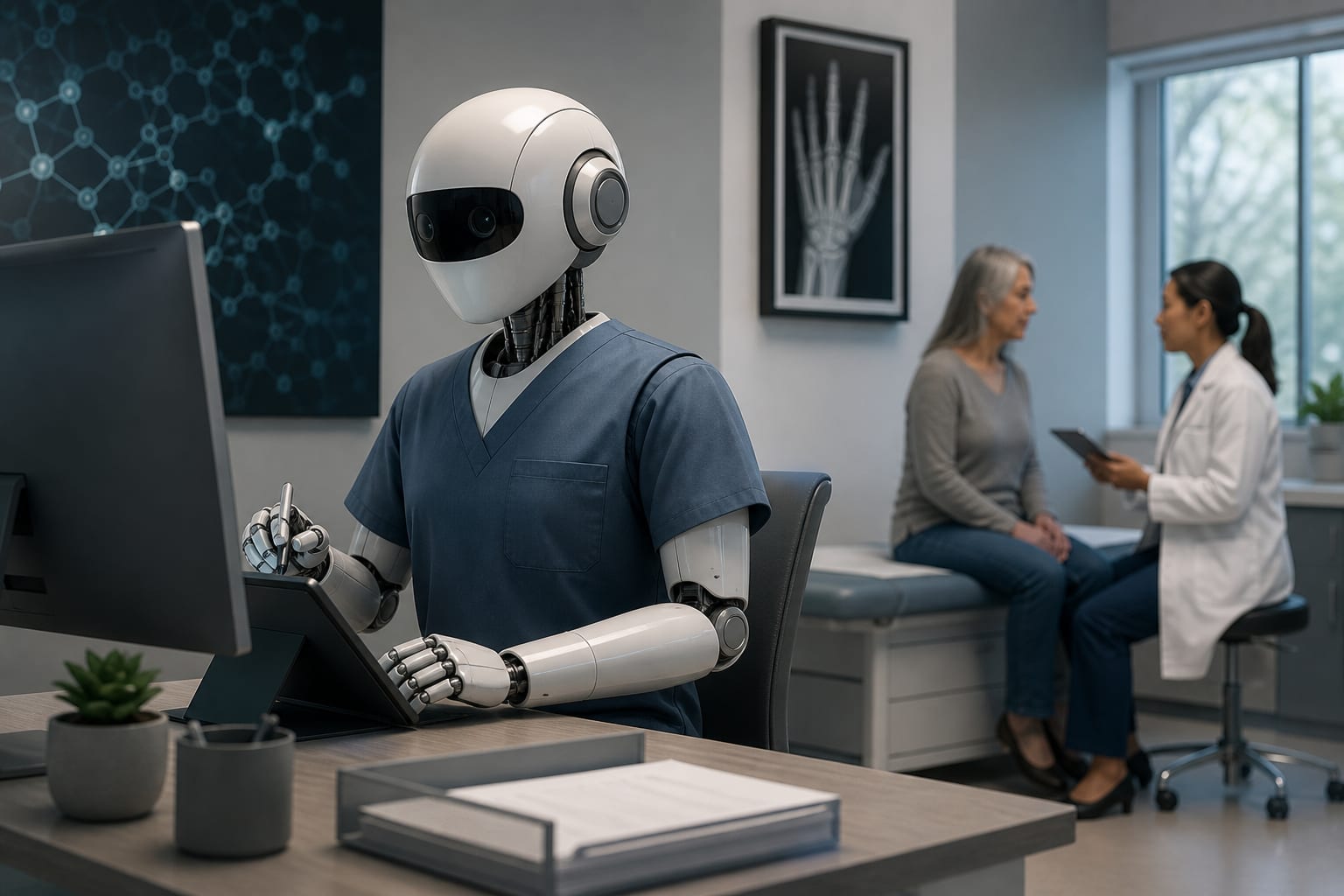
Clinical Report: The Role of Humanoid Assistants in Addressing the Rheumatology Workforce Shortage
Overview
The article discusses the severe rheumatology workforce shortage projected to exceed 100% by 2030. It explores the potential role of humanoid assistants in alleviating this shortfall through innovative training and governance frameworks.
Background
The rheumatology workforce is facing a critical shortage, with demand expected to outstrip supply significantly by 2030. This shortage leads to extended wait times and health disparities for patients requiring rheumatology services. Addressing this issue is essential for ensuring adequate care for patients with rheumatic diseases, particularly as the population continues to grow.
Data Highlights
No numerical data provided in the article.
Key Findings
The demand for adult rheumatology services is projected to exceed supply by over 100% by 2030.
Pediatric rheumatology faces an even greater challenge with a limited number of specialists.
Current strategies to address workforce shortages include increasing fellowship slots and incorporating advanced practice clinicians.
Humanoid assistants could be trained through rheumatology fellowship programs, potentially enhancing clinical capacity.
Humanoid colleagues differ from traditional clinical AI and task-specific medical robots, as they would engage in clinical tasks within a physical space.
Clinical Implications
The integration of humanoid assistants in rheumatology could provide a novel approach to addressing workforce shortages. Training these systems within fellowship programs may enhance their effectiveness and acceptance in clinical settings.
Conclusion
The exploration of humanoid assistants in rheumatology presents a forward-looking strategy to mitigate workforce challenges. Anticipatory governance will be crucial as these technologies evolve.