Analyzing the cytotoxicity and pro‐tumorigenic role of acetyl tributyl citrate in prostate through network toxicology and the immune microenvironment - Report - MDSpire
Conexiant’s news site is now MDSpire News. Learn more
Advertisement
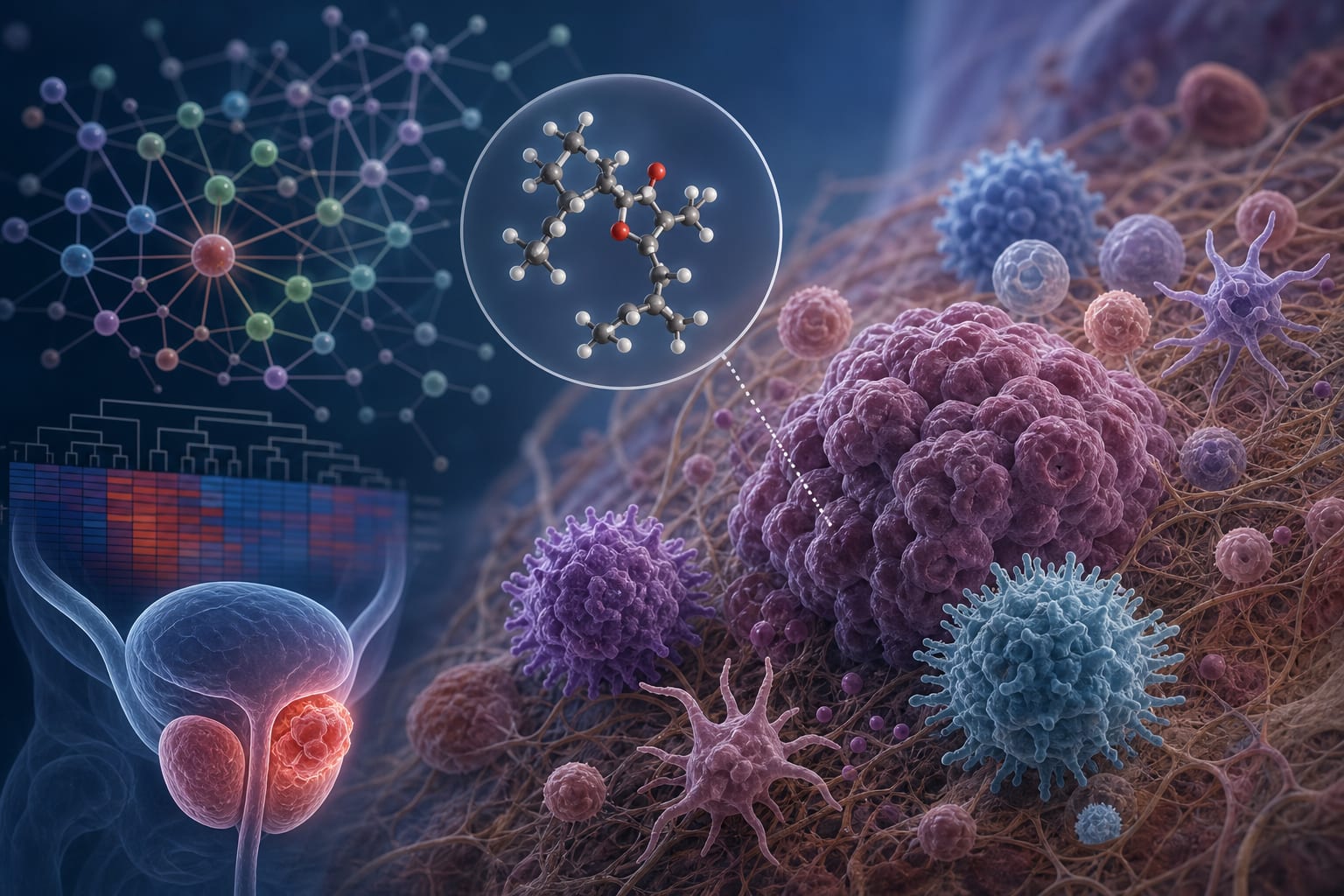
Investigating the Cytotoxic Effects and Tumor-Promoting Potential of Acetyl Tributyl Citrate in Prostate Cancer via Network Toxicology and Immune Microenvironment Analysis
Clinical Report: Investigating the Cytotoxic Effects of Acetyl Tributyl Citrate
Overview
This study explores the cytotoxic effects of acetyl tributyl citrate (ATBC) in prostate cancer (PCa).
Background
Acetyl tributyl citrate (ATBC) is a plasticizer that has been increasingly used as a safer alternative to other compounds like DEHP and BPA. Despite its widespread application, the potential health risks associated with ATBC exposure remain inadequately characterized.
Data Highlights
No numerical data or trial data were provided in the source material.
Key Findings
EZH2, DNMT1, and PRMT5 were identified as targets in prostate cancer.
Machine learning algorithms were employed to identify potential targets associated with ATBC exposure in PCa.
Virtual knockdown of DNMT1, EZH2, and PRMT5 disrupted collagen-rich ECM integrity.
GO and KEGG pathway analyses indicated enrichment of targets in signaling pathways related to PCa.
In vitro experiments validated the identified targets.
Clinical Implications
Clinicians should consider potential environmental exposures to ATBC.
Conclusion
This study provides insights into the effects of ATBC in prostate cancer.
The goal of this clinical trial is to learn if Adaptive Radiation Therapy (ART) is safe and effective in treating patients with locally advanced pancreatic cancer.