A comprehensive study based on large-sample multi-omics integration and machine learning to decode mitochondria-associated genes: from digestive tract tumours to gastric cancer - Report - MDSpire
Advertisement
A comprehensive study based on large-sample multi-omics integration and machine learning to decode mitochondria-associated genes: from digestive tract tumours to gastric cancer
Clinical Report: Investigation of LACTB2 in Gastric Cancer Using Multi-Omics
Overview
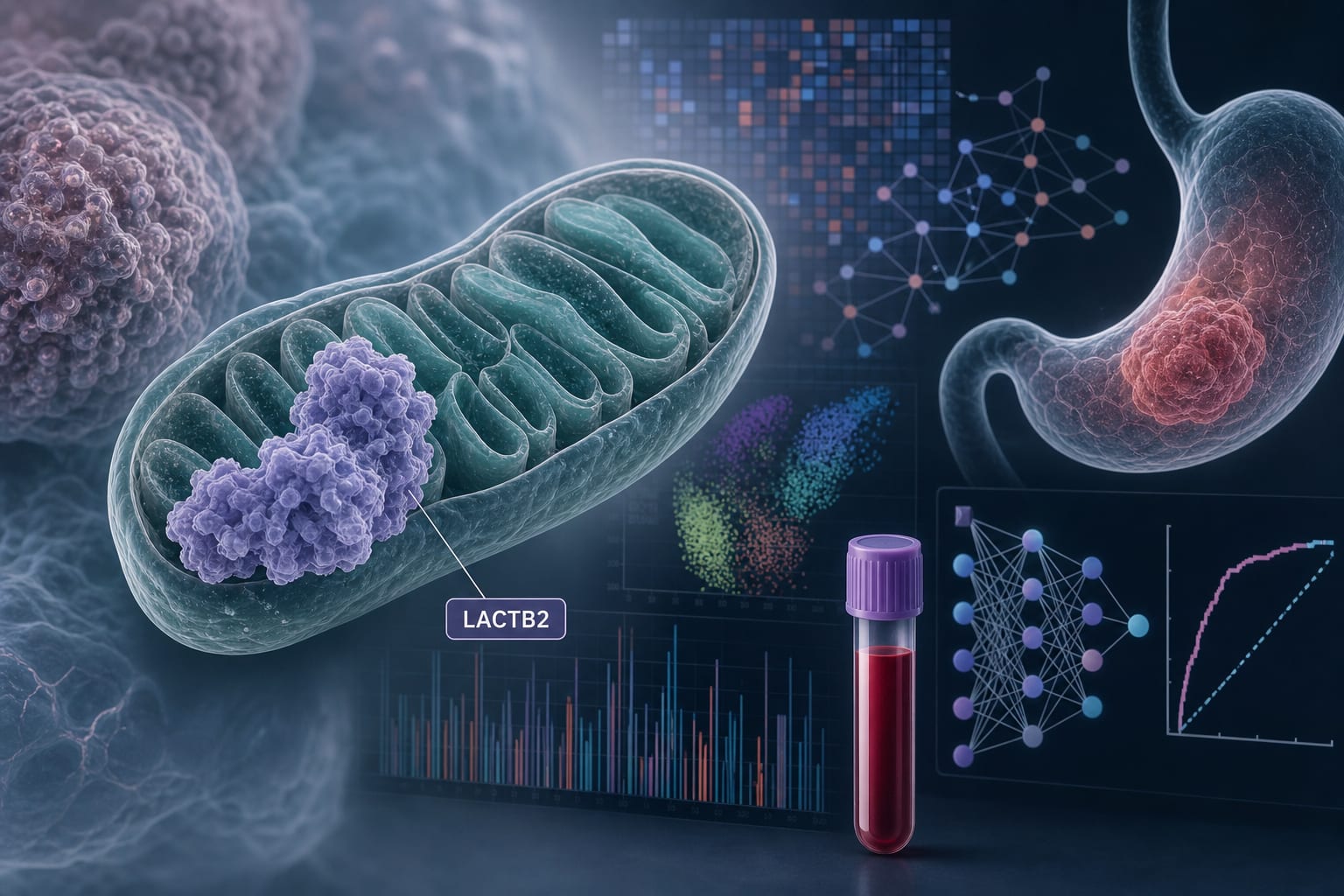
This study investigates the role of the mitochondrial gene LACTB2 in gastric cancer (GC) and presents a novel blood-based diagnostic model. Findings indicate that LACTB2 overexpression is linked to clinical metastasis and immune evasion.
Background
Gastric cancer is a leading cause of cancer-related morbidity and mortality globally, with a low five-year survival rate for advanced cases. The identification of reliable biomarkers and therapeutic targets is critical for improving early diagnosis and treatment outcomes. Mitochondrial genes, particularly LACTB2, warrant further investigation.
Data Highlights
This study analyzed LACTB2 expression in a cohort of 10,581 samples, including 236 internal gastric cancer samples, and integrated multi-omics data for comprehensive analysis.
Key Findings
LACTB2 overexpression is associated with clinical metastasis in gastric cancer patients.
LACTB2 may mediate immune suppression and immune evasion through various mechanisms.
A significant transcriptional regulatory network exists upstream of LACTB2.
Dysregulated LACTB2 expression can impact the prognosis of gastric cancer patients.
An early blood diagnostic model for gastric cancer was developed based on the upstream miRNA of LACTB2.
Clinical Implications
The findings suggest that LACTB2 could serve as a potential biomarker for prognosis and diagnosis in gastric cancer.
Conclusion
This study enhances the understanding of LACTB2's role in gastric cancer.