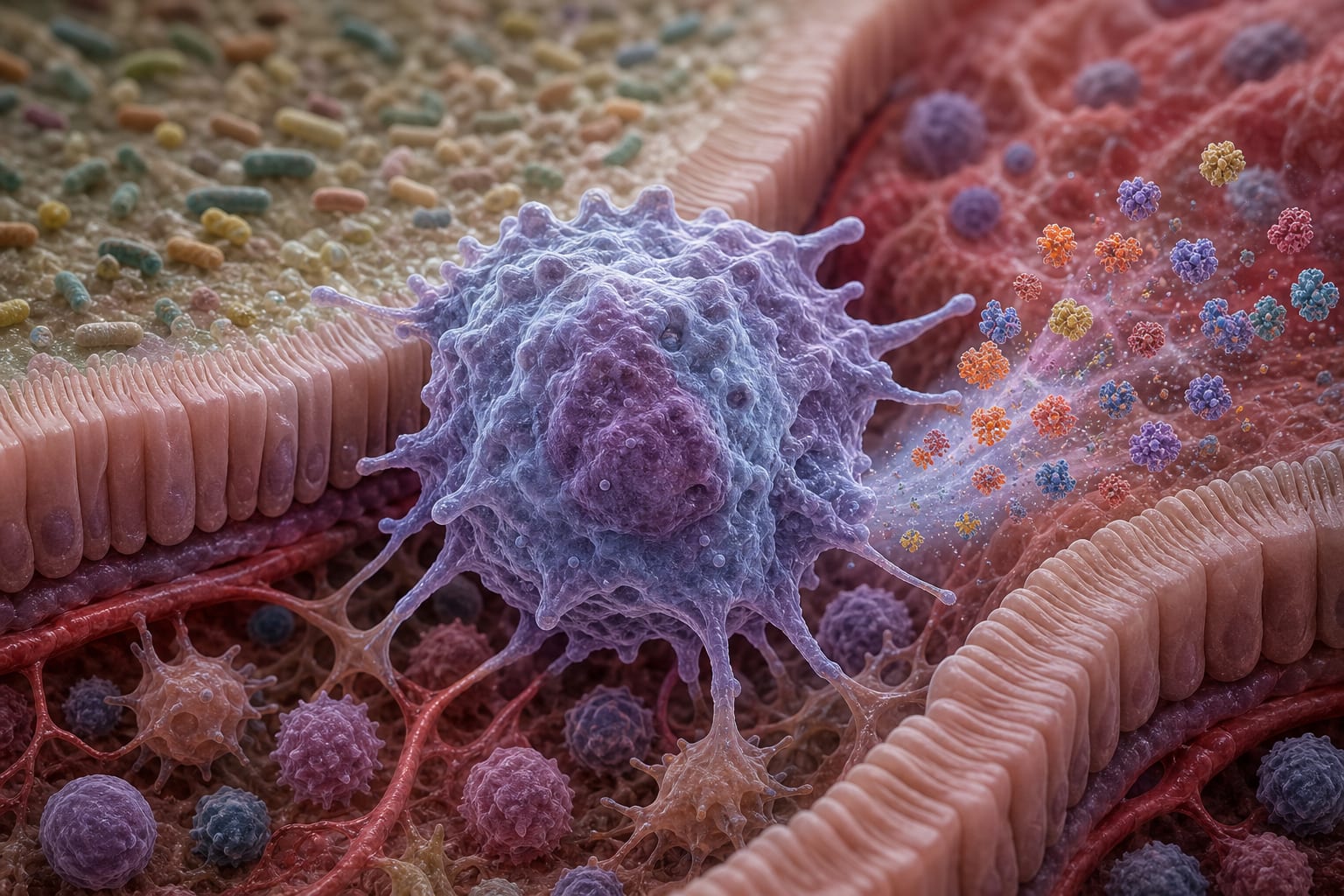
A recent review emphasizes the complexity of diagnosing and managing infectious diarrhea, highlighting advancements in diagnostic tools and the importance of tailored treatment approaches. It underscores the need for selective testing and careful interpretation of results to avoid unnecessary treatments.
Background
Diarrhea is a prevalent clinical issue that poses significant challenges in diagnosis and management. Understanding the underlying causes, whether infectious or non-infectious, is crucial for effective treatment. The review discusses the evolving landscape of diagnostic methods and therapeutic options, which are essential for improving patient outcomes.
Data Highlights
No specific numerical data provided in the source material.
Key Findings
Acute diarrhea management focuses on supportive care, including oral rehydration and electrolyte replacement.
Multiplex gastrointestinal PCR panels can quickly identify pathogens but may detect non-active infections.
Antibiotics should be reserved for severe cases and specific high-risk scenarios.
Persistent diarrhea may indicate postinfectious conditions rather than ongoing infection.
Fidaxomicin is preferred over vancomycin for initial episodes of Clostridioides difficile infection due to lower recurrence rates.
Microbiome-based therapies, including fecal microbiota transplantation, are gaining traction for recurrent infections.
Clinical Implications
Clinicians should adopt a selective approach to diagnostic testing and treatment for diarrhea, considering the potential for misinterpretation of results. Ongoing symptoms may require a shift in management strategy, focusing on symptom relief rather than solely targeting infection.
Conclusion
The review highlights the need for improved diagnostic tools and tailored therapeutic strategies in managing infectious diarrhea, emphasizing the importance of clinical context in decision-making.