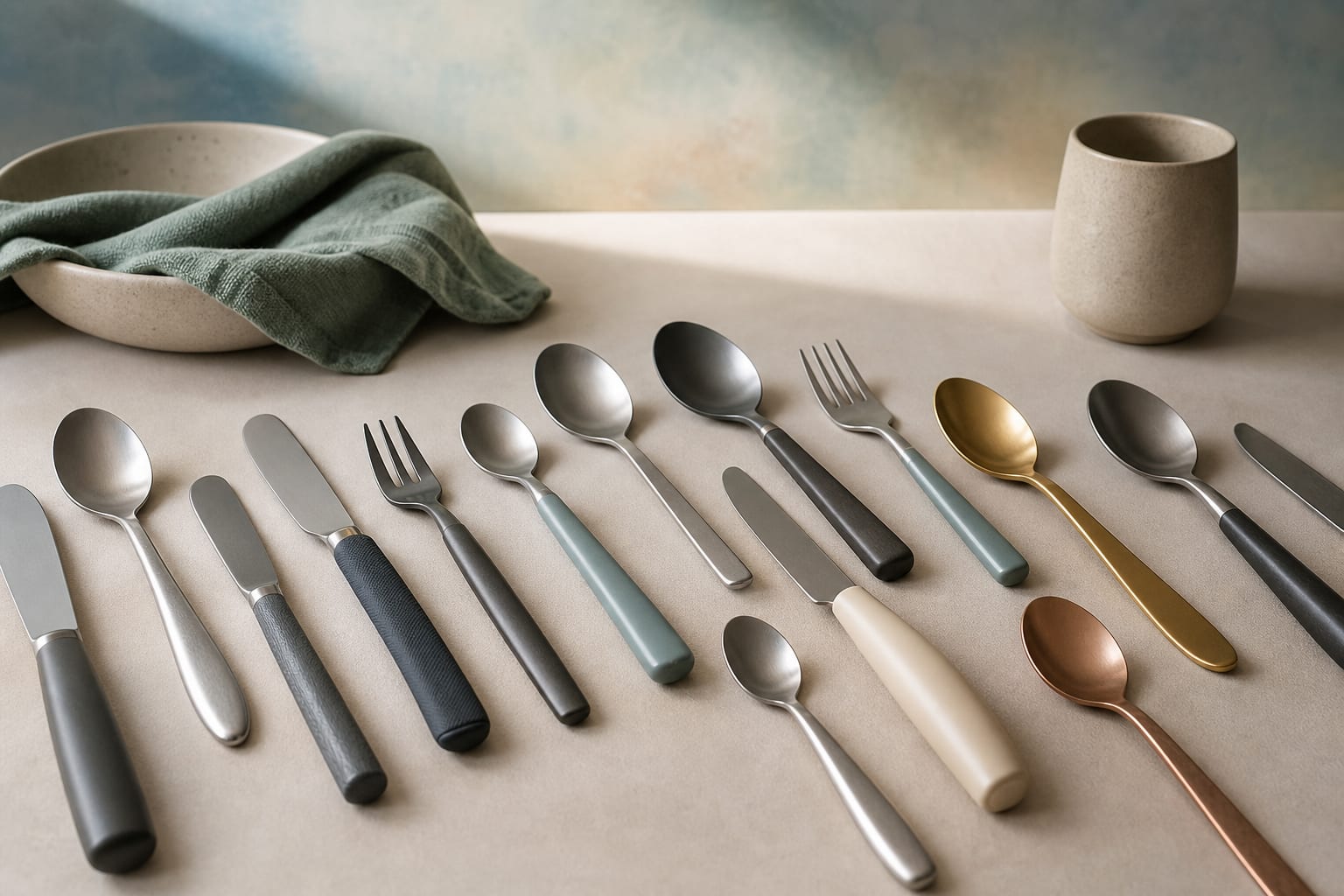
Clinical Report: Investigating the Sensory Characteristics of Cutlery in ED Treatment
Overview
This study highlights the significant role of cutlery in the mealtime experiences of individuals with eating disorders, particularly those who are neurodivergent. Preferences for metal cutlery over other materials were noted, emphasizing the need for sensory-informed adaptations in treatment settings.
Background
Sensory sensitivities are prevalent in individuals with eating disorders, especially among those who are neurodivergent. Traditional approaches often overlook the sensory properties of cutlery, which can impact comfort and engagement during meals. Understanding these preferences is crucial for enhancing treatment experiences and outcomes.
Data Highlights
Cutlery Type
Preference
Metal
Most Preferred
Wooden
Rejected
Plastic
Rejected
Hybrid (e.g., spork)
Rejected
Key Findings
Metal cutlery was the most frequently preferred material among participants.
Wooden, plastic, and hybrid cutlery designs were consistently rejected.
Participants expressed individual variations in sensory preferences and constraints.
Cutlery influenced comfort, predictability, and readiness to eat.
Preferences remained stable across different treatment contexts.
Clinical Implications
Healthcare providers should consider individual sensory preferences when selecting cutlery for patients with eating disorders. Personalizing cutlery choices may enhance comfort and engagement during meals, potentially improving treatment outcomes.
Conclusion
The findings underscore the importance of integrating sensory-informed practices into eating disorder treatment, particularly for neurodivergent individuals. Adapting cutlery choices can significantly enhance the mealtime experience.