Associations of TNF-α, MIF, and cortisol with cognitive function in patients with bipolar disorder during acute manic episodes: a short-term follow-up study - Report - MDSpire
Conexiant’s news site is now MDSpire News. Learn more
Advertisement
Links Between TNF-α, MIF, and Cortisol Levels and Cognitive Abilities in Bipolar Disorder Patients Experiencing Acute Mania: A Short-Term Follow-Up Investigation
Clinical Report: Links Between TNF-α, MIF, and Cortisol Levels and Cognitive Abilities
Overview
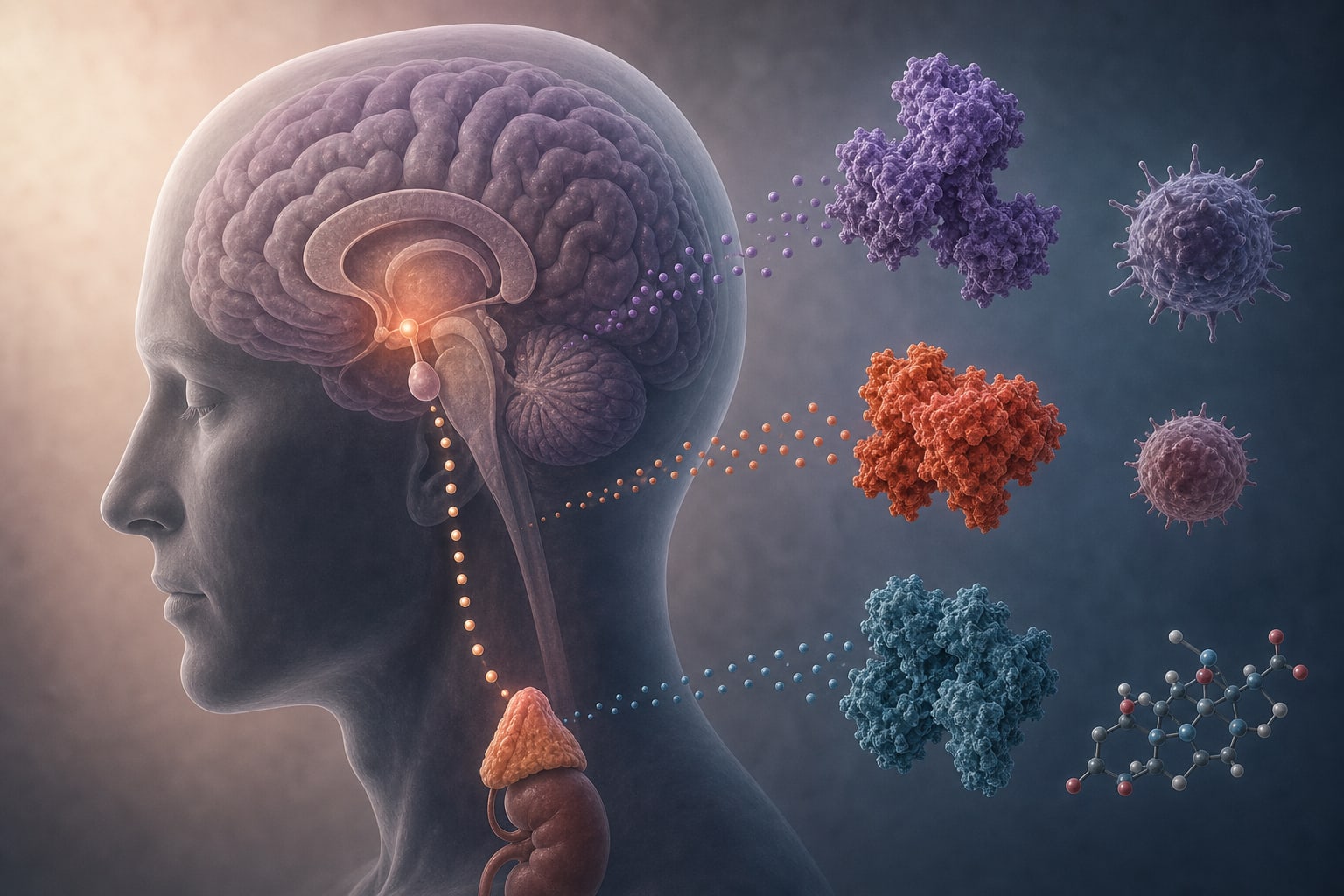
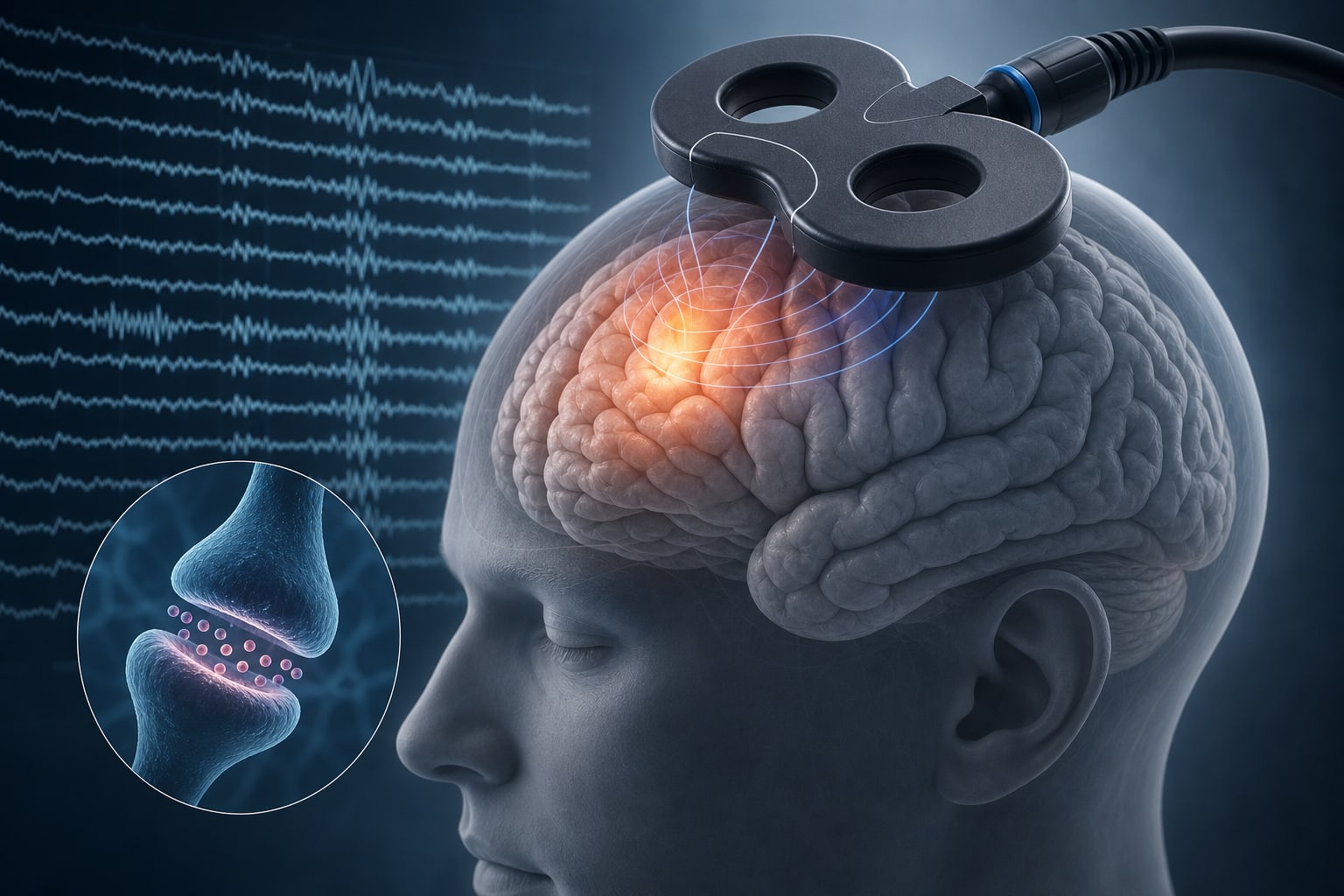
This study investigates the relationship between TNF-α, MIF, and cortisol levels with cognitive function in patients with bipolar disorder experiencing acute mania.
Background
Bipolar disorder is associated with cognitive impairment that significantly affects patients' quality of life. Understanding the biological underpinnings of cognitive dysfunction, particularly during manic episodes, is crucial for developing effective interventions. This study explores the role of inflammatory and neuroendocrine markers in cognitive abilities among patients with bipolar disorder.
Data Highlights
Measurement
BD Patients (Baseline)
HCs
BD Patients (Follow-up)
IPS Score
Lower
Higher
Improved
EF Score
Lower
Higher
Improved
SAT Score
Lower
Higher
Improved
WM Score
Lower
Higher
Improved
TNF-α Levels
Higher
Lower
Not Significant
MIF Levels
Higher
Lower
Not Significant
Cortisol Levels
Higher
Lower
Not Significant
Key Findings
Patients with bipolar disorder during manic episodes exhibited significantly lower cognitive scores compared to healthy controls.
Elevated levels of TNF-α, MIF, and cortisol were observed in patients with bipolar disorder.
After 8 weeks of treatment, cognitive scores improved significantly in the bipolar disorder group.
Only the negative association between TNF-α and working memory remained significant after adjustment for covariates.
Associations involving MIF or cortisol and executive function require further validation.
Clinical Implications
Cognitive impairment is a significant aspect of bipolar disorder management.
Conclusion
This study underscores the complex interplay between inflammatory markers and cognitive abilities in bipolar disorder, particularly during acute manic episodes. Further research is needed to validate these associations and explore their clinical relevance.