Clinical Report: The Role of Triglyceride-Glucose Index in Predicting GDM
Overview
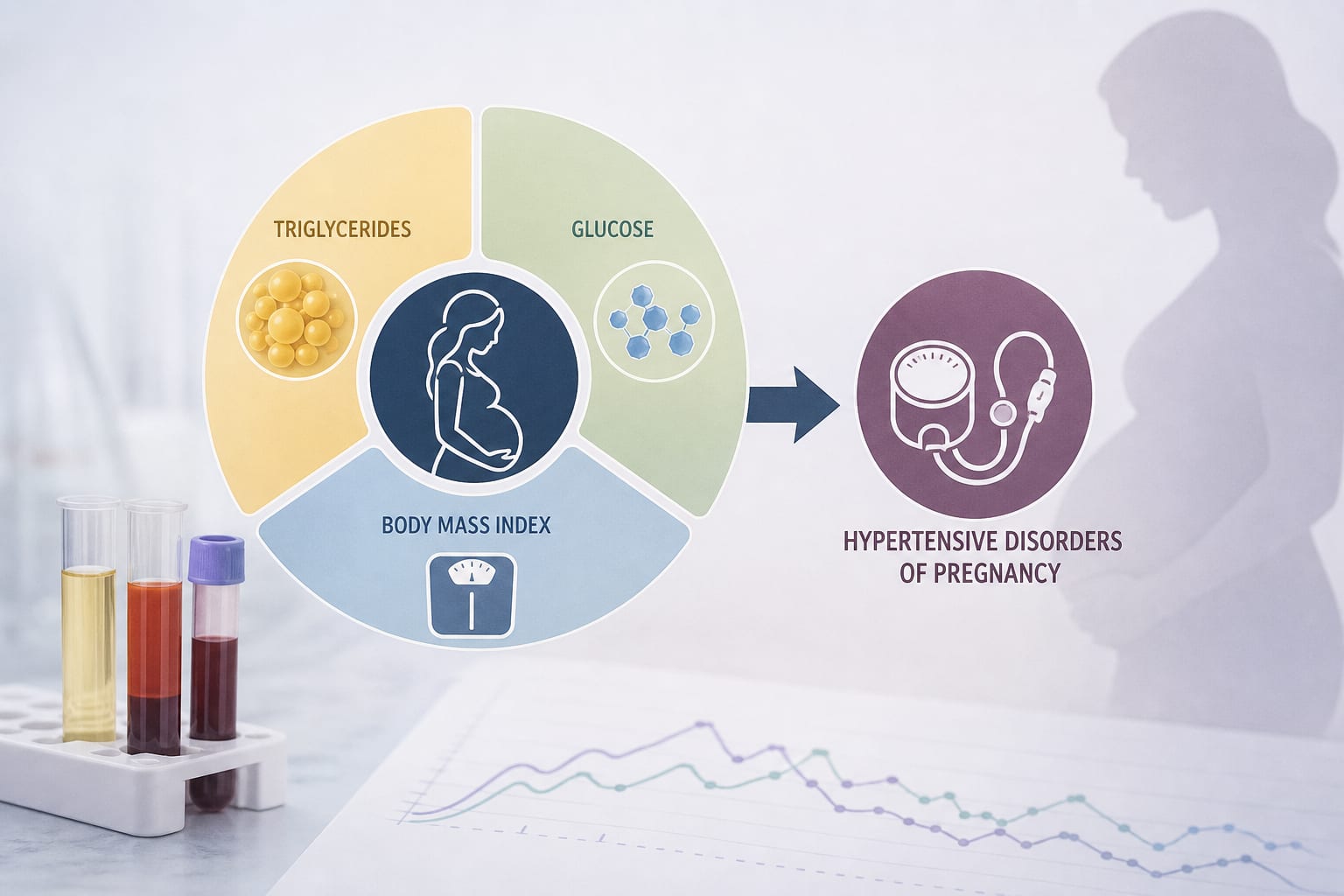
This study investigates the association between triglyceride-glucose (TyG) levels in early and mid-pregnancy and the risk of developing gestational diabetes mellitus (GDM).
Background
Gestational diabetes mellitus (GDM) is a significant health concern for both mothers and infants, with rising prevalence rates globally. This study aims to enhance understanding of the role of TyG levels in predicting GDM risk during pregnancy.
Data Highlights
Variable
Value
Participants
870
GDM Incidence Rate
13.68%
Independent Risk Factors
Elevated TyG levels in early and mid-pregnancy
Key Findings
119 out of 870 participants developed GDM, resulting in a 13.68% incidence rate.
Elevated TyG levels in early pregnancy are an independent risk factor for GDM.
Elevated TyG levels in mid-pregnancy pose the highest risk for developing GDM.
A greater percentage increase in TyG levels from early to mid-pregnancy is associated with GDM risk.
Confounding factors such as age, BMI, and family history of diabetes were adjusted in the analysis.
Clinical Implications
Monitoring TyG levels in early and mid-pregnancy may provide insights for identifying women at risk for GDM.
Conclusion
The findings indicate that elevated TyG indices and their progression during pregnancy are associated with GDM risk.