Clinical Report: The Role of One-Carbon Metabolism in Cancer Immunity
Overview
One-carbon metabolism is crucial in regulating T-cell function and tumor immunity. It influences nutrient competition and epigenetic modifications.
Background
Understanding the metabolic interactions between tumor cells and T cells is essential for developing effective cancer therapies. One-carbon metabolism plays a significant role in nutrient availability and immune cell functionality, impacting the tumor microenvironment and immune responses.
Data Highlights
No specific numerical data or trial results were provided in the source material.
Key Findings
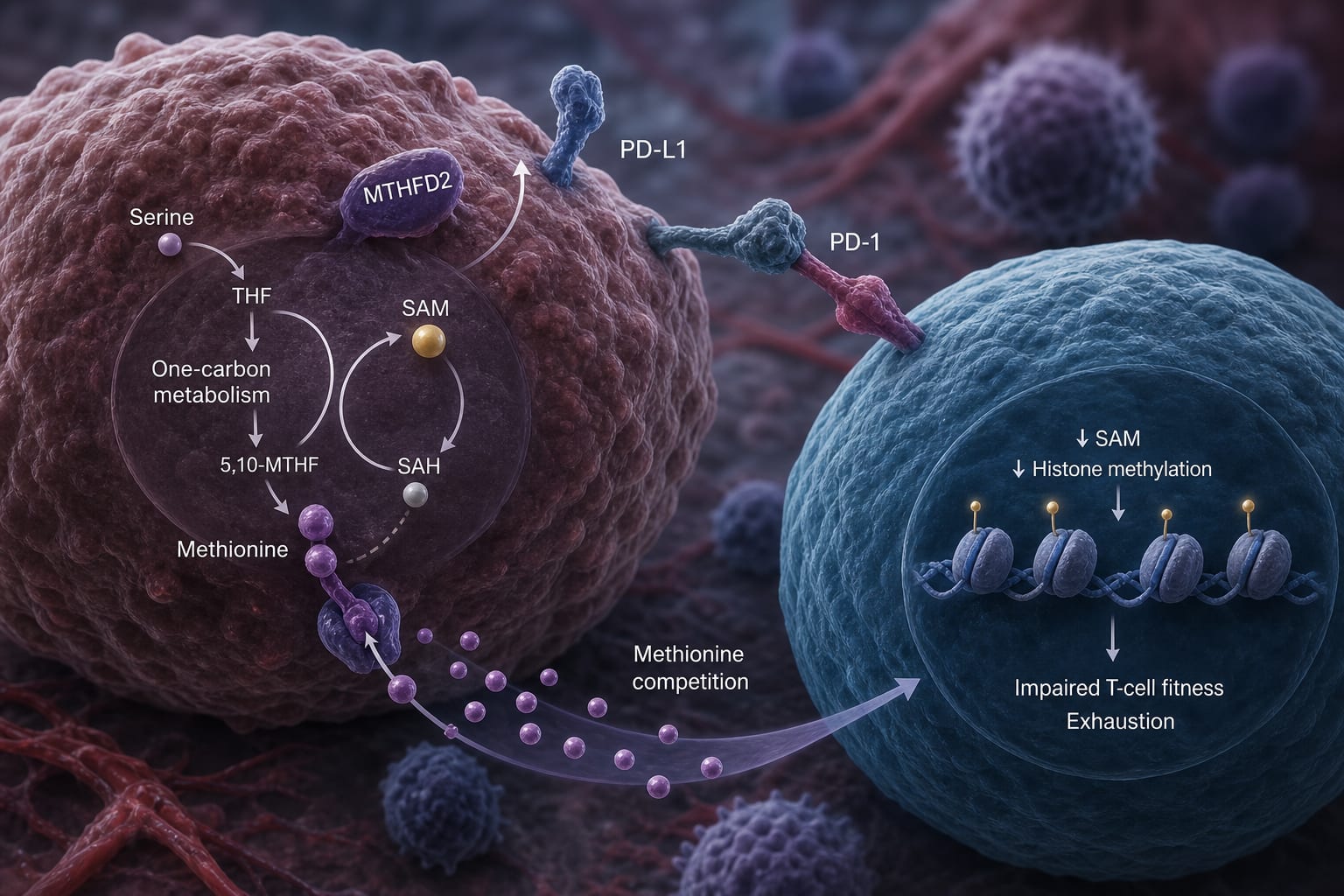
One-carbon metabolism regulates T-cell functional state and nutrient competition in the tumor microenvironment.
Tumor cells can deplete methionine, impairing T-cell histone methylation and effector function.
The enzyme MTHFD2 promotes immune escape by upregulating PD-L1 in tumor cells.
Context-specific design is crucial for interventions targeting one-carbon metabolism due to its role in both tumor and immune cells.
Clinical Implications
Therapeutic strategies that modulate one-carbon metabolism could improve the effectiveness of cancer immunotherapies. Clinicians should consider the metabolic context and timing of interventions to optimize patient outcomes.
Conclusion
One-carbon metabolism represents a critical intersection of tumor biology and immune function, offering new avenues for therapeutic exploration in cancer treatment.