A longitudinal study found that participants with remitted depression have a higher risk of future depression compared to matched controls. Cognitive performance at baseline was associated differently with later depression risk based on depression history.
Background
Understanding the relationship between cognitive performance and depression risk is crucial, especially in populations with a history of depression. This study highlights the importance of cognitive assessments in predicting future depressive episodes, which can guide preventive strategies. The findings may have implications for monitoring individuals with remitted depression and those at risk of developing depression.
Data Highlights
Group
Future Depression Risk
Remitted Depression
33% experienced relapse
Controls
13% developed first-episode depression
Odds Ratio
3-fold higher for remitted depression
Key Findings
Participants with remitted depression had a threefold higher odds of future depression compared to controls.
33% of participants with remitted depression experienced depressive relapse during follow-up.
Lower baseline cognitive performance in controls was linked to higher future depression risk.
Higher cognitive performance in remitted depression was associated with greater future depression risk.
Processing speed showed the largest deficits in participants with remitted depression.
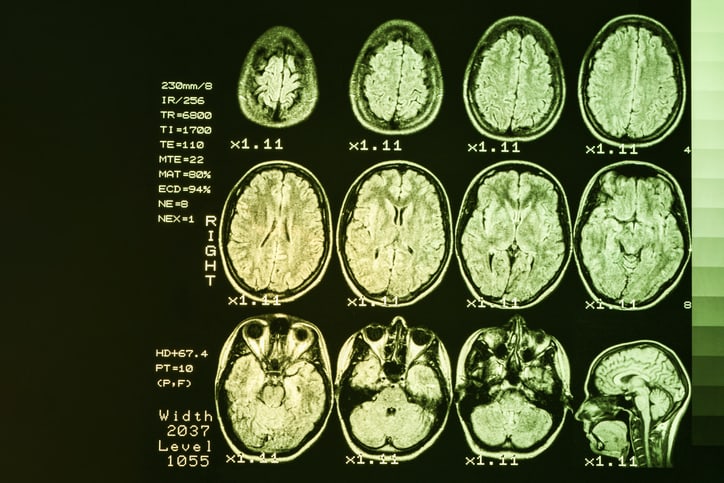
Structural MRI measures were not associated with future depression risk.
Clinical Implications
Clinicians should consider cognitive performance assessments in patients with a history of depression to identify those at higher risk for future episodes. Monitoring cognitive function may provide insights into the likelihood of depressive relapse, particularly in individuals with remitted depression.
Conclusion
The study underscores the complex relationship between cognitive performance and future depression risk, particularly in individuals with a history of depression. Further research is needed to explore these associations and their implications for clinical practice.