Clinical Report: Synergistic Effects of Metformin and Parthenolide on Breast Cancer
Overview
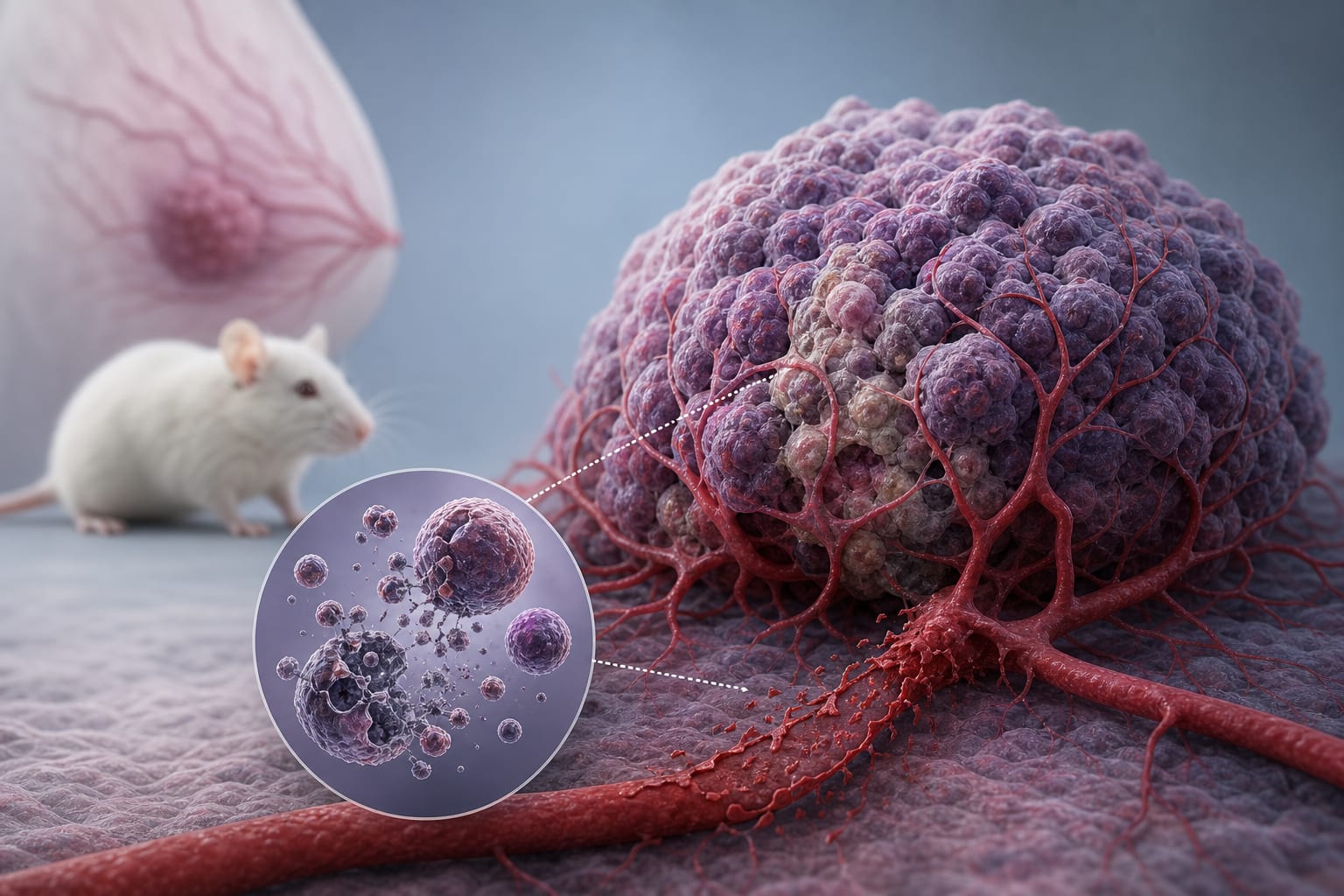
This study investigates the combined anticancer effects of metformin and parthenolide on breast cancer in vitro and in vivo. The findings indicate a significant reduction in tumor size and induction of apoptosis without treatment-related mortality.
Background
Breast cancer is a prevalent malignancy and a leading cause of cancer-related deaths globally. Current treatment options often face challenges such as resistance and toxicity, highlighting the need for new therapeutic strategies. Metformin, an antidiabetic agent, and parthenolide, an anti-inflammatory compound, have shown potential in cancer treatment, warranting further exploration of their combined effects.
Data Highlights
Parameter
Result
Combination cure rate
50%
Treatment-related mortality
0%
VEGF expression
Reduced
Serum AST, ALT, creatinine levels
Within normal ranges
Key Findings
Metformin and parthenolide exhibited synergistic antiproliferative effects against breast cancer cell lines.
The combination therapy significantly reduced tumor size in vivo.
Induction of caspase-3-dependent apoptosis was observed with the combination treatment.
VEGF expression was significantly reduced compared to either agent alone.
Serum levels of AST, ALT, and creatinine remained normal in treated mice, indicating safety.
Clinical Implications
The combination of metformin and parthenolide may offer a novel therapeutic approach for breast cancer treatment, demonstrating efficacy without significant toxicity. Further studies are needed to explore the molecular mechanisms and potential clinical applications of this combination.
Conclusion
The findings support the potential of metformin and parthenolide as a synergistic treatment for breast cancer, highlighting the need for additional research to validate these results in clinical settings.