Conexiant’s news site is now MDSpire News. Learn more
Advertisement
Elevating Ocular Surface Care
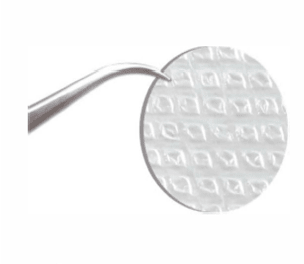
The trilayer decellularized basement membrane is used in ocular surgery and in OSD applications, including corneal and conjunctival-related injuries or defects.
This report discusses the application of Biovance 3L Ocular in treating various ocular surface conditions. Ideal candidates include those with neurotrophic keratitis, non-healing epithelial defects, and moderate to severe dry eye disease.
Background
Ocular surface disorders can significantly impact patient quality of life and vision. Effective management is crucial, particularly for conditions that do not respond to conservative treatments. The use of amniotic membrane therapy, such as Biovance 3L Ocular, offers a promising option for guided epithelial healing.
Data Highlights
No numerical data provided in the source material.
Key Findings
Biovance 3L Ocular is indicated for patients needing guided epithelial healing.
Ideal candidates include those with neurotrophic keratitis and non-healing epithelial defects.
Amniotic membrane therapy is beneficial for persistent epithelial defects and dry eye disease with corneal complications.
Proper coding and documentation are essential for reimbursement of amniotic membrane applications.
Outcomes of amniotic membrane therapy are influenced by the underlying ocular surface environment.
Clinical Implications
Clinicians should consider Biovance 3L Ocular for patients with specific ocular surface conditions that require enhanced healing. Accurate coding and documentation are vital to ensure reimbursement and support the medical necessity of the treatment.
Conclusion
The integration of Biovance 3L Ocular into treatment protocols can enhance healing in challenging ocular surface cases. Ongoing evaluation of patient outcomes will further define its role in clinical practice.