Conexiant’s news site is now MDSpire News. Learn more
Advertisement
Real-World Findings Reinforce Encelto’s Role in MacTel Treatment
Roger A. Goldberg, MD, MBA, shared early postapproval experience with Encelto, including an evolving surgical technique, at Clinical Trials at the Summit.
Clinical Report: Real-World Findings Reinforce Encelto’s Role in MacTel Treatment
Overview
Early real-world experience with Encelto suggests a 36% reduction in photoreceptor loss and significant improvements in reading speed and retinal sensitivity.
Background
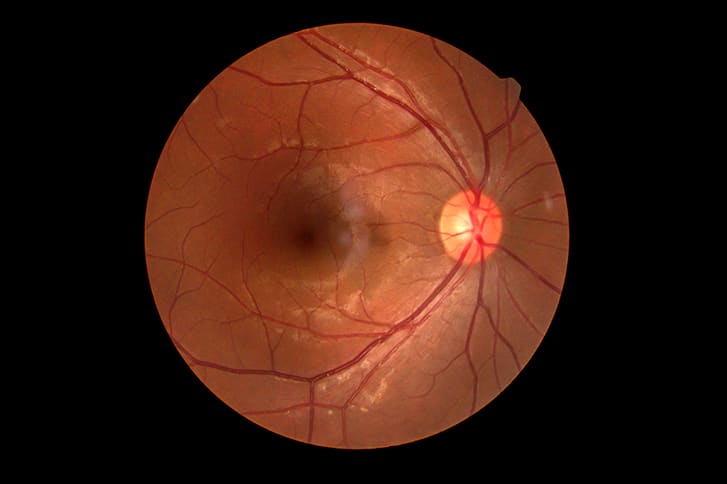
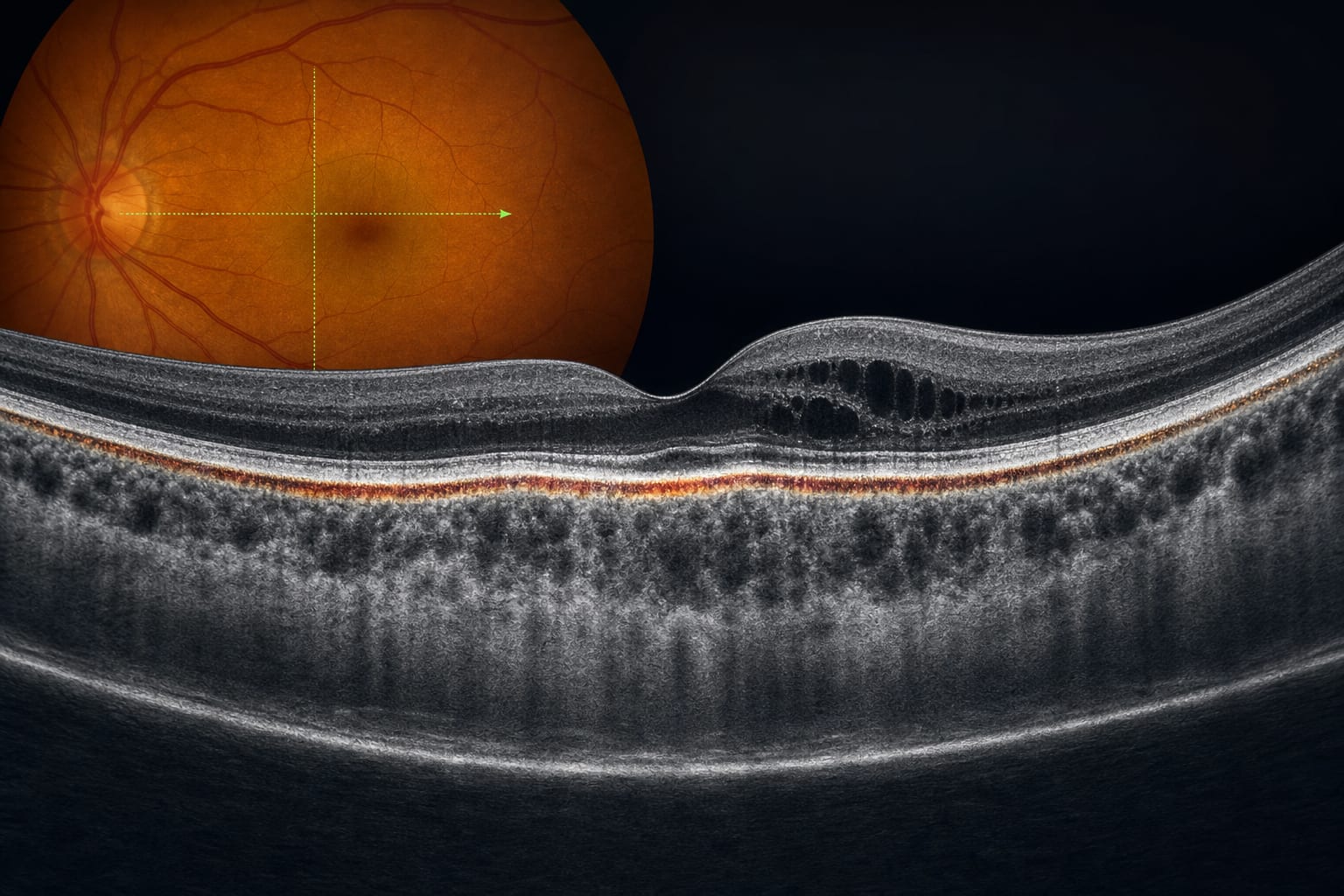
Macular telangiectasia type 2 (MacTel) is a chronic, progressive neurodegenerative condition affecting central vision, primarily in midlife patients. The approval of Encelto represents a new treatment option for this condition.
Data Highlights
Outcome
Reduction
Photoreceptor loss
36%
Monocular reading speed loss
68%
Retinal sensitivity loss
35%
Key Findings
Encelto demonstrated a 36% reduction in photoreceptor loss over 2 years.
Monocular reading speed loss was reduced by 68% compared to controls.
Retinal sensitivity loss decreased by approximately 35% with treatment.
Real-world surgical techniques have evolved to minimize complications.
Approximately 20% of patients experience mild delayed dark adaptation.
Clinical Implications
Patient selection is critical, with emphasis on identifying younger patients and those with specific structural evidence of disease progression.
Conclusion
The findings from clinical trials and early real-world experiences indicate that Encelto is a treatment option for patients with MacTel.
US claims data showed rising prevalence of diabetic retinal disease in type 1 and type 2 diabetes, while incidence declined in type 1 diabetes and moved closer to type 2 rates by 2022.