Evolution of 29 Anthropometric, Nutritional, and Cardiometabolic Parameters Among Morbidly Obese Adolescents 2 Years Post Sleeve Gastrectomy - Report - MDSpire
Advertisement
Evolution of 29 Anthropometric, Nutritional, and Cardiometabolic Parameters Among Morbidly Obese Adolescents 2 Years Post Sleeve Gastrectomy
Changes in Anthropometric, Nutritional, and Cardiometabolic Factors Post-Sleeve Gastrectomy in Adolescents
Overview
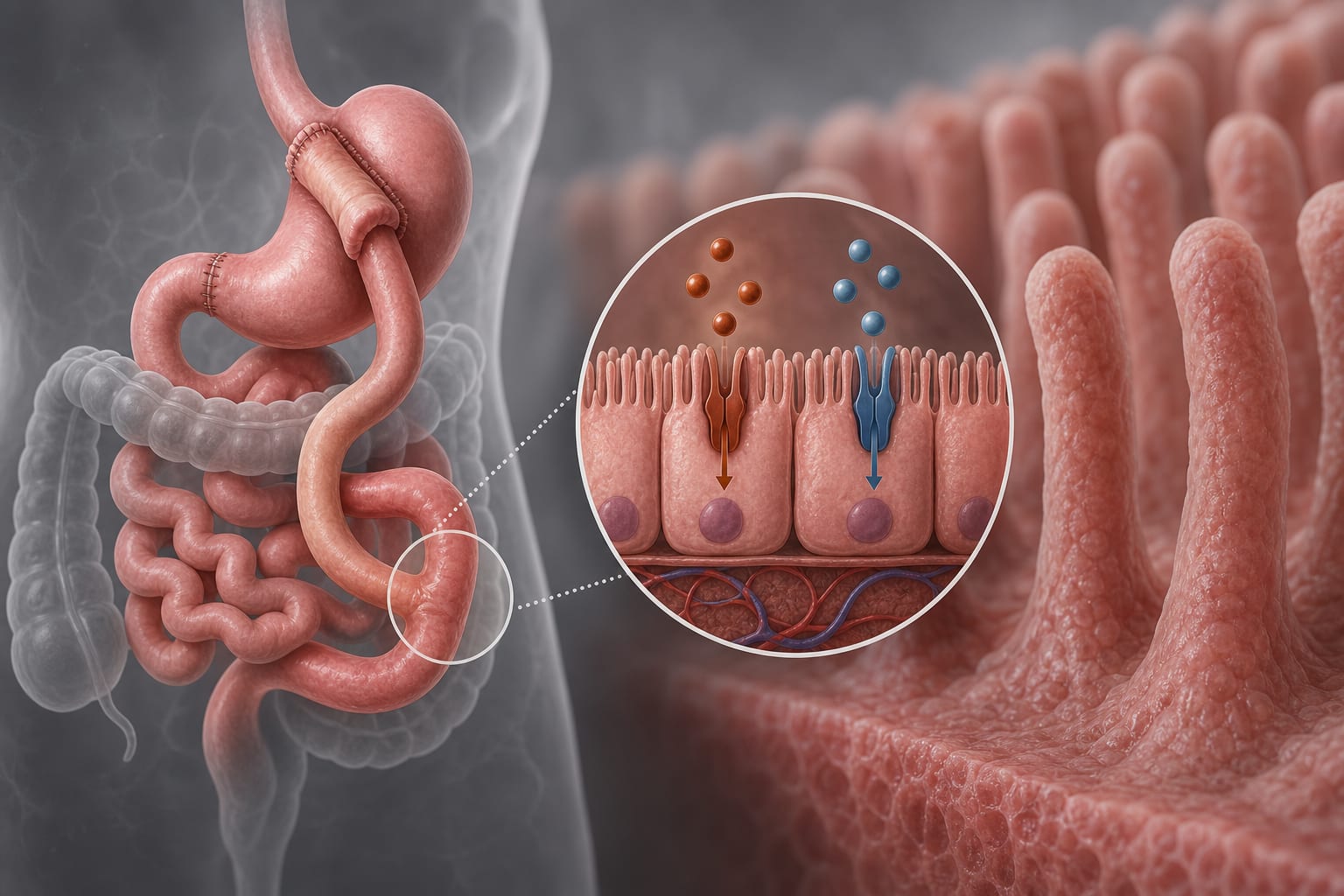
This retrospective study of 79 severely obese adolescents undergoing laparoscopic sleeve gastrectomy (LSG) demonstrated significant improvements in weight, cardiometabolic risk factors, and some nutritional parameters two years postoperatively. Despite overall benefits, certain nutritional deficiencies persisted or emerged, underscoring the need for ongoing monitoring and supplementation.
Background
Adolescent obesity is a critical public health issue linked to early onset type 2 diabetes, dyslipidemia, cardiovascular disease, and increased mortality. Traditional nonsurgical treatments often yield limited success in severely obese adolescents, leading to increased use of bariatric surgeries such as LSG. While LSG is primarily restrictive and has a favorable safety profile, it can cause nutritional deficiencies due to reduced intake and malabsorption. Existing literature lacks comprehensive data on long-term nutritional and cardiometabolic outcomes after adolescent LSG, particularly in the Eastern Mediterranean region.
Data Highlights
Parameter
Preoperative Mean
2-Year Postoperative Mean
Change
Weight (kg)
Not specified
Not specified
Significant reduction
BMI (kg/m2)
≥40 or ≥35 with comorbidities
Significantly reduced
Significant reduction
Excess Weight Loss % (EWL%)
Baseline
Not specified
Significant increase
Hemoglobin
Baseline
Improved or stable
Variable changes
Vitamin D
Deficient in many preoperatively
Improved but some deficiencies persisted
Improvement with supplementation
Total Cholesterol (TC)
Elevated in some
Reduced
Significant improvement
LDL
Elevated
Reduced
Significant improvement
HDL
Low
Increased
Significant improvement
Triglycerides (TG)
Elevated
Reduced
Significant improvement
Fasting Blood Glucose (FBG)
Elevated in some
Reduced
Improvement in glycemic control
Key Findings
LSG resulted in significant reductions in weight, BMI, and excess weight two years post-surgery in severely obese adolescents.
Cardiometabolic parameters including total cholesterol, LDL, triglycerides, fasting blood glucose, and HbA1c showed significant improvement postoperatively.
Preoperative nutritional deficiencies, particularly vitamin D deficiency, were common and improved postoperatively but some deficiencies persisted.
New cases of nutritional deficiencies emerged postoperatively, highlighting the risk despite LSG being primarily restrictive.
Comorbidity resolution was defined strictly, with many adolescents achieving complete resolution of dyslipidemia and glycemic abnormalities.
Clinical Implications
Clinicians should recognize that LSG in adolescents not only facilitates substantial weight loss but also improves cardiometabolic risk factors, potentially reducing long-term morbidity. However, vigilant preoperative assessment and postoperative monitoring of nutritional status are essential to identify and manage persistent or new nutritional deficiencies. Structured supplementation protocols and long-term follow-up are critical to optimize outcomes.
Conclusion
Laparoscopic sleeve gastrectomy in severely obese adolescents leads to durable weight loss and significant improvements in cardiometabolic health two years postoperatively, though ongoing attention to nutritional deficiencies remains imperative. This study fills important gaps by comprehensively evaluating anthropometric, nutritional, and cardiometabolic changes in this population.
References
Alqahtani et al. 2024 -- Changes in 29 Anthropometric, Nutritional, and Cardiometabolic Factors in Severely Obese Adolescents Two Years Following Sleeve Gastrectomy