Case Report: Anti-PD-1 therapy as a catalyst for the rapid transformation of a hepatic nodule into HCC: a “soil and seed” paradox in metachronous triple primary malignancies? - Report - MDSpire
Advertisement
Case Report: Anti-PD-1 therapy as a catalyst for the rapid transformation of a hepatic nodule into HCC: a “soil and seed” paradox in metachronous triple primary malignancies?
Clinical Report: The Role of Anti-PD-1 Treatment in Rapid HCC Development
Overview
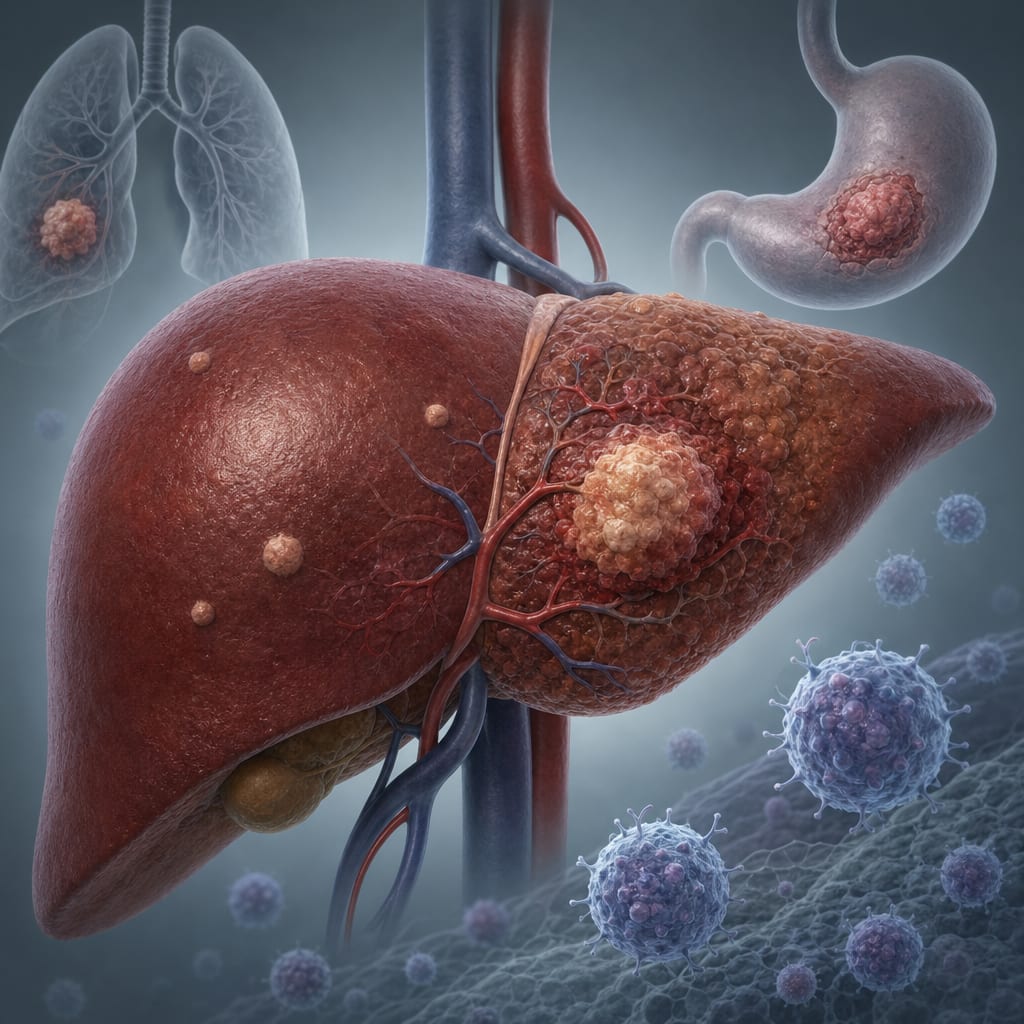
This case study highlights the rapid transformation of a hepatic nodule into hepatocellular carcinoma (HCC) during anti-PD-1 therapy in a patient with multiple primary malignancies. It underscores the potential implications of immune checkpoint inhibitors on pre-existing lesions in high-risk patients.
Background
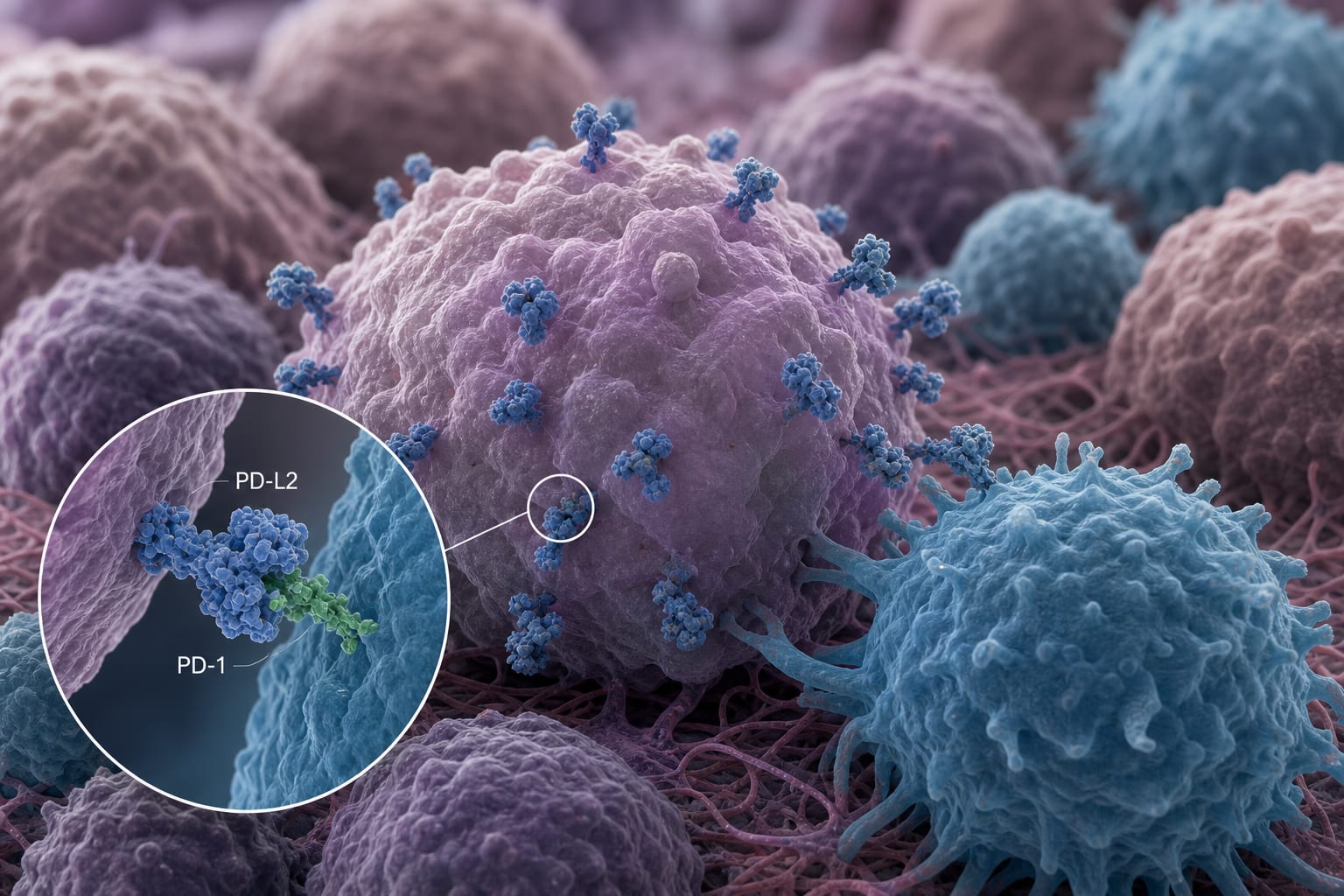
The incidence of multiple primary malignancies (MPMs) is rising, necessitating a deeper understanding of their pathogenesis and treatment implications. Immune checkpoint inhibitors (ICIs) have revolutionized cancer therapy but may also influence the evolution of pre-existing tumors. This case illustrates the complex interplay between immunotherapy and tumor development, particularly in patients with chronic liver disease.
Data Highlights
No numerical data or trial data presented in the article.
Key Findings
A 68-year-old male with chronic HBV developed metachronous triple primary malignancies.
While on sintilimab for gastric adenocarcinoma, a stable hepatic nodule rapidly transformed into HCC.
The patient achieved a partial response in gastric cancer and sustained remission of lung cancer.
This case suggests that ICIs may disrupt local immune tolerance, promoting malignant transformation in predisposed tissues.
Close radiological surveillance is essential for high-risk patients undergoing immunotherapy.
Clinical Implications
Healthcare professionals should consider the potential for rapid progression of hepatic lesions in patients receiving ICIs, particularly those with chronic liver disease. Rigorous baseline assessments and ongoing monitoring are crucial to manage the risk of secondary malignancies effectively.
Conclusion
This case emphasizes the need for caution in the use of ICIs in high-risk populations and highlights the importance of further research into their organ-specific effects.