Clinical Report: Association Between Pulse Pressure and GI Bleeding Risk in AF Patients
Overview
This study investigates the relationship between pulse pressure and the risk of gastrointestinal bleeding in patients with atrial fibrillation.
Background
Atrial fibrillation (AF) is a prevalent cardiac arrhythmia that significantly increases the risk of thromboembolic stroke, necessitating the use of oral anticoagulation (OAC) for prevention. However, OAC therapy is associated with serious bleeding complications, particularly gastrointestinal bleeding, which can lead to adverse outcomes. Accurate bleeding risk stratification is crucial for optimizing patient management and minimizing complications.
Data Highlights
No numerical data or trial data provided in the source material.
Key Findings
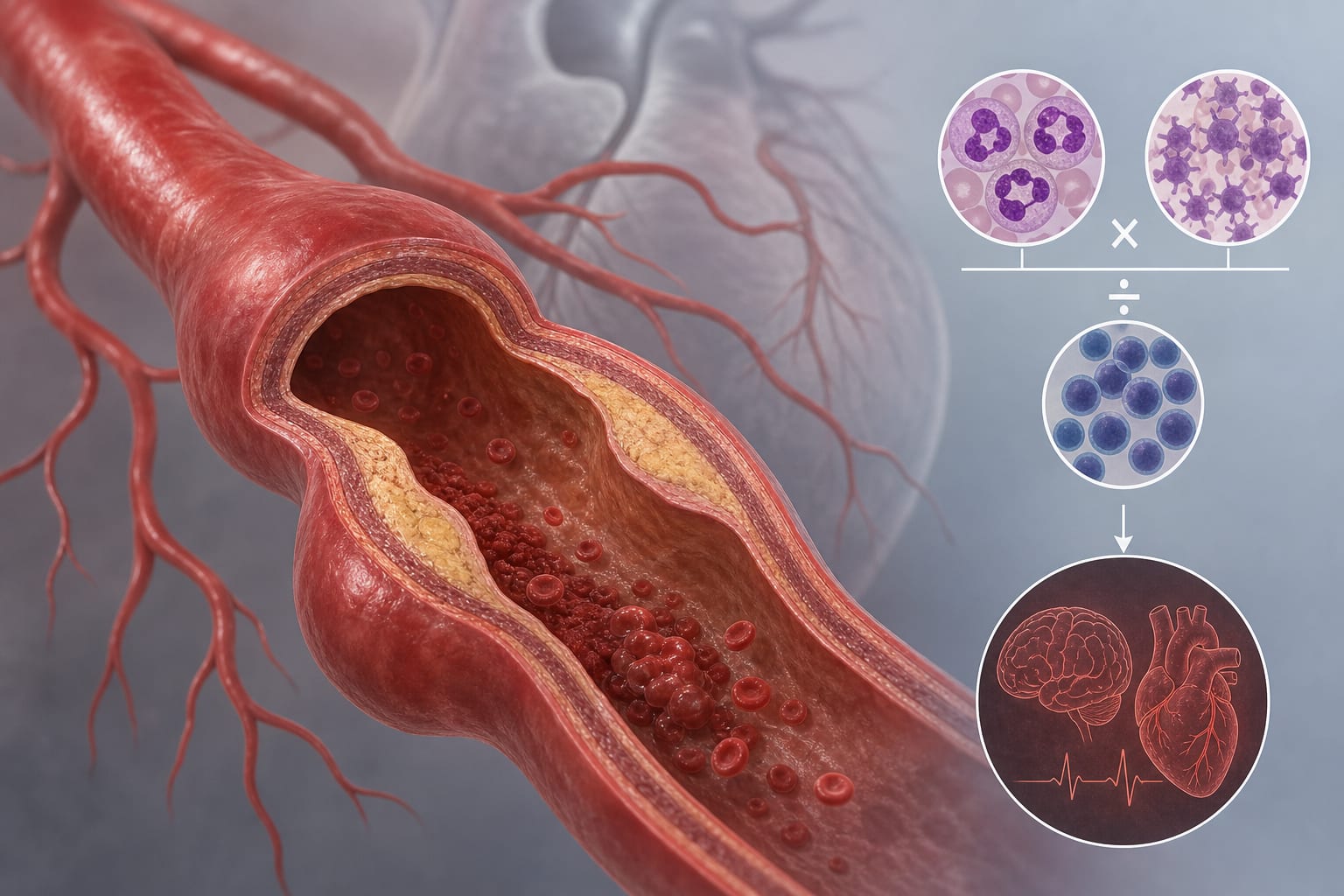
Pulse pressure (PP) is defined as the difference between systolic and diastolic blood pressure.
Current bleeding risk scores have limitations in accurately stratifying bleeding risk in AF patients.
There is a need for novel markers to enhance bleeding risk assessment in patients on anticoagulation therapy.
Gastrointestinal bleeding is a significant concern in patients receiving OAC, impacting treatment adherence and outcomes.
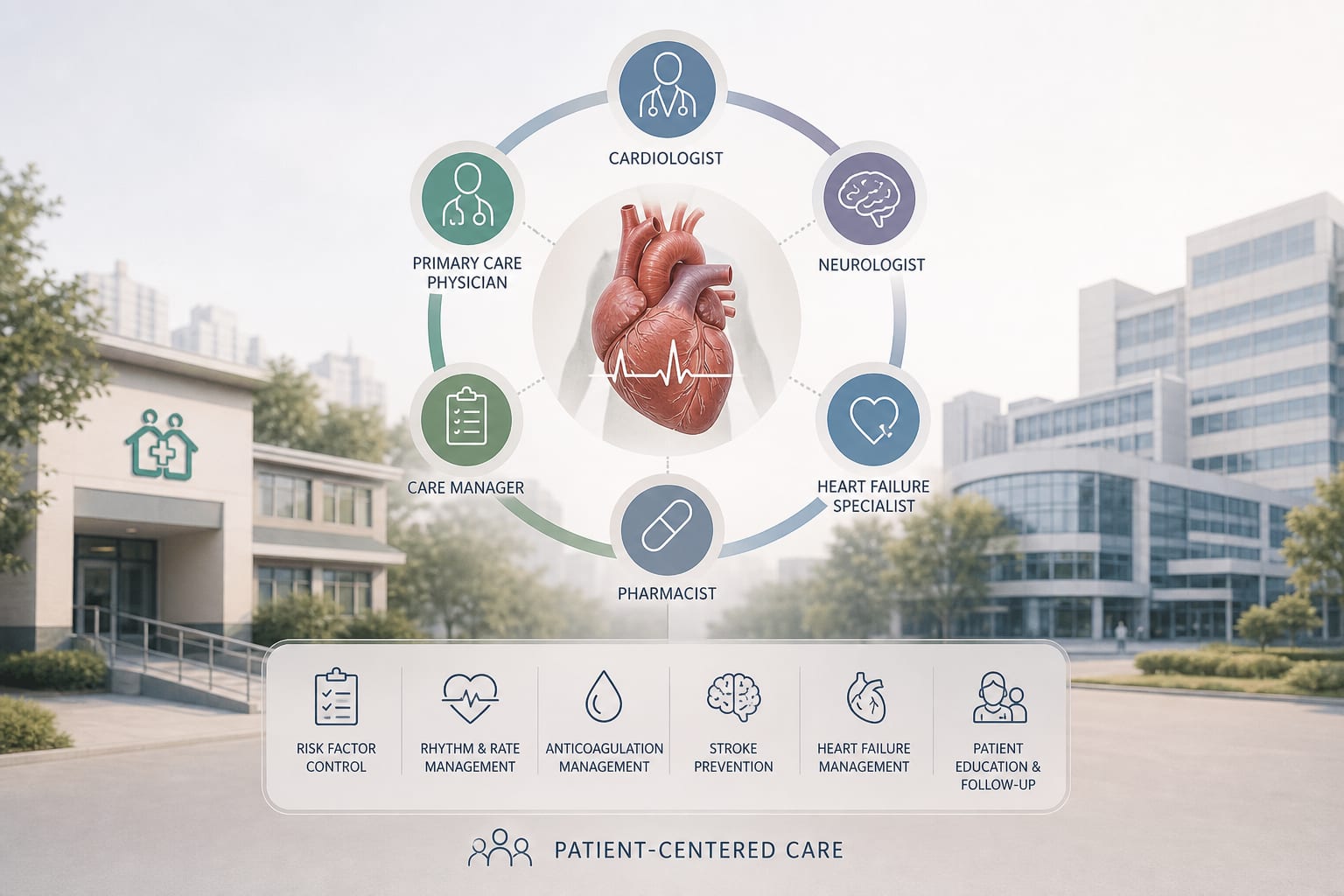
Clinical guidelines emphasize the management of modifiable bleeding risk factors in AF patients.
Clinical Implications
Clinicians should consider pulse pressure as a potential factor in assessing bleeding risk among patients with atrial fibrillation. Enhanced risk stratification may improve management strategies and patient outcomes in those receiving anticoagulation therapy.
Conclusion
The study highlights the potential role of pulse pressure in evaluating gastrointestinal bleeding risk in atrial fibrillation patients, indicating a need for further investigation into its clinical utility.
by Michel Abou Khalil, Carlo El Khoury, Yishi Jia, Maximilian Moersdorf, Christian Massad, Alex El Darzi, Yara Menassa, Mohammad Montaser Atasi, Ghassan Bidaoui, Hadi Younes, Ala Assaf, Mario Mekhael, Eli Tsakiris, Chanho Lim, Charbel Noujaim, Abboud Hassan, Yingshuo Liu, Mary Margot M Maleckar, Rodolfo A Montiel Quintero, Omar Kreidieh, Amitabh C Pandey, Han Feng, Qussay Marashly, Nassir F Marrouche