Measuring performance trajectories in lung cancer surgery: a longitudinal study using the French national hospital database from 2020 to 2024 - Report - MDSpire
Clinical Report: Assessing Longitudinal Performance Trends in Lung Cancer Surgery
Overview
This study analyzes performance trends in lung cancer surgery across 148 French hospitals from 2020 to 2024, revealing significant variability in postoperative outcomes.
Background
Lung cancer surgery is critical for improving survival rates, yet it carries substantial risks of complications and mortality. This study provides insights into performance trends using a national database.
Data Highlights
Outcome
Rate
Severe complications
15%–40%
30-day mortality
2%–5%
Optimal improvement (medium-volume hospitals)
45.4–45.8% RAR reduction
Catastrophic deterioration (low-volume hospitals)
843% RAR increase
Deterioration (high-volume hospitals)
151% RAR increase
Key Findings
The study included 56,299 patients across 148 hospitals.
Predictive models showed excellent discrimination with a mean ROC curve of 0.890.
Performance inertia was observed with persistence probabilities ≥78%.
Medium-volume hospitals achieved the best improvement trajectories.
Some low-volume hospitals experienced a nearly ninefold increase in complication rates.
A subgroup of high-volume hospitals showed a concerning performance degradation.
Clinical Implications
The findings indicate that surgical volume alone does not guarantee quality outcomes in lung cancer surgery.
Conclusion
This study highlights the variability in performance in lung cancer surgery across hospitals.
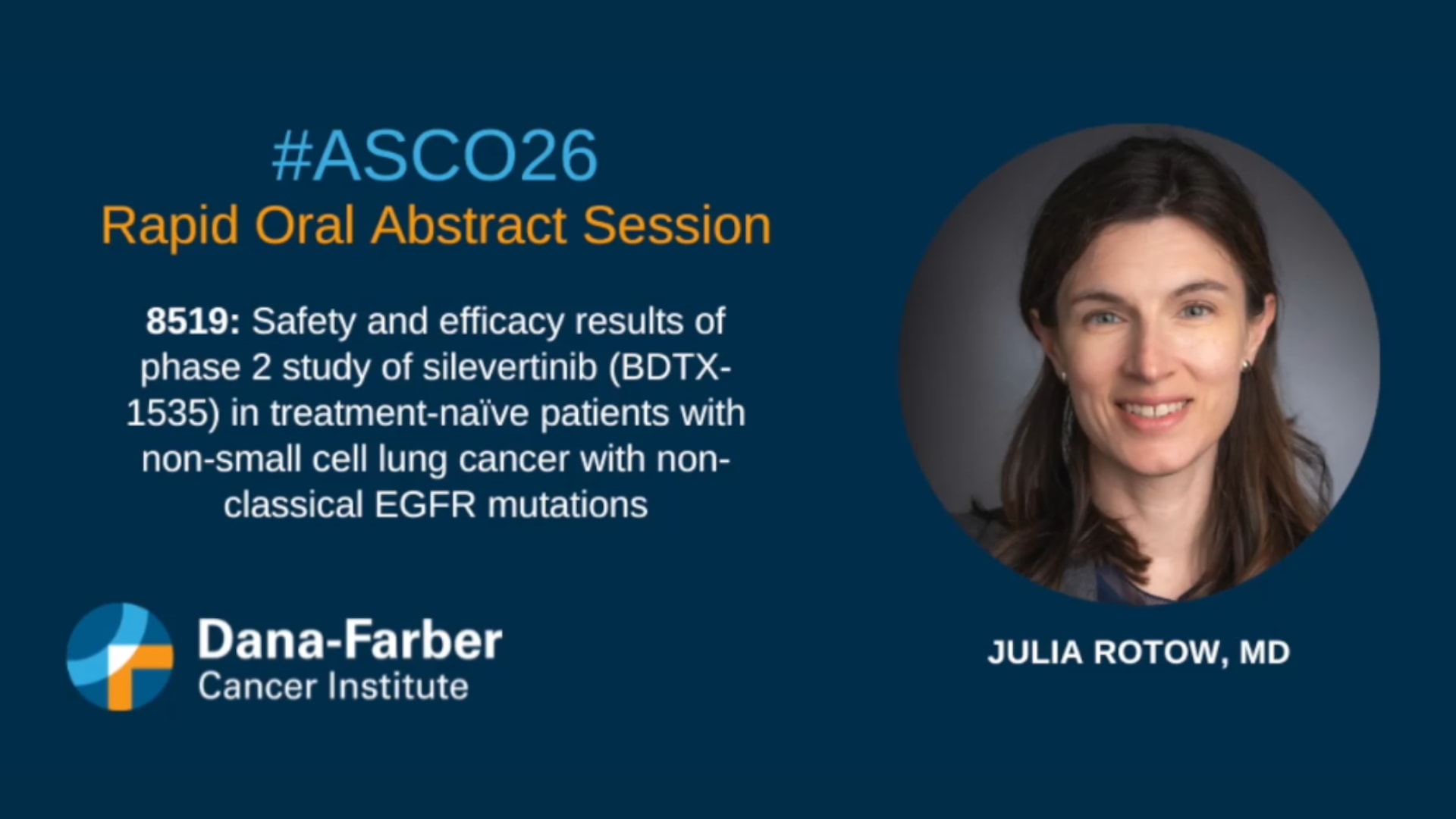
Dana-Farber Cancer Institute's Dr. Julia Rotow reported on a study looking at silevertinib, with data showing it may offer a new first-line option for hard-to-treat EGFR non-small cell lung cancer variants, with encouraging brain activity and manageable side effects.
Akeso’s PD-1/VEGF bispecific beats PD-1 plus chemo in lung cancer, Amgen wins EC approval for its DLL3-targeted T-cell engager, and Aragen scales Renaissance’s Fast Track anti-GD2 antibody