Clinical Report: Artificial Short RNAs and Their Role in Cancer Research
Overview
This report discusses the potential of synthetic short RNAs in cancer treatment, highlighting their mechanisms of action and therapeutic applications. Recent advancements in RNA-based therapies, including their ability to modulate tumor biology, are emphasized.
Background
The increasing prevalence of cancer necessitates innovative therapeutic strategies. Synthetic short RNAs, such as siRNAs and aptamers, offer versatile approaches to target and manipulate tumor cells and their microenvironment. Understanding their mechanisms and applications is crucial for advancing cancer therapies.
Data Highlights
No numerical data or trial data provided in the article.
Key Findings
Synthetic short RNAs can modulate cellular biology and have anti-tumor effects.
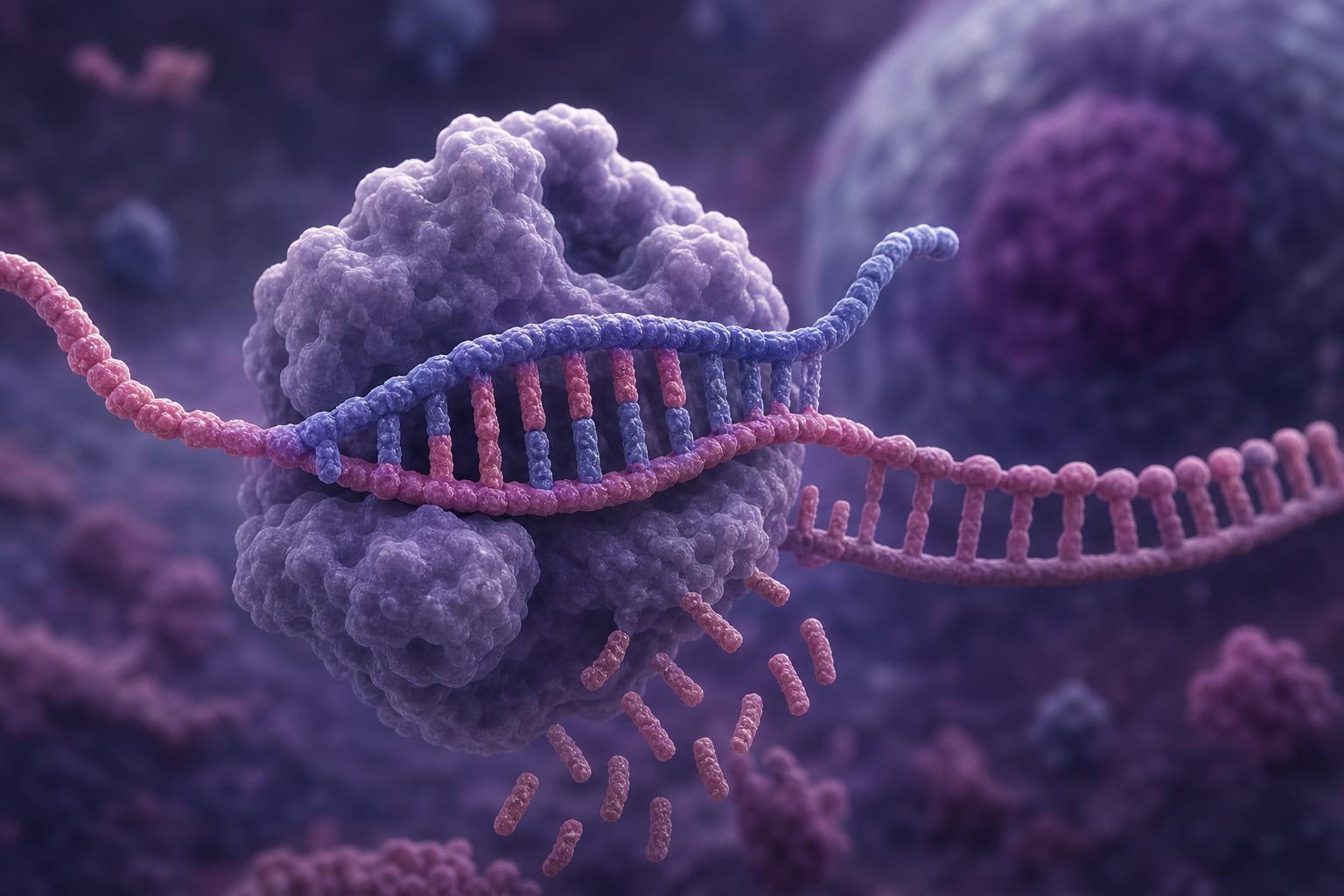
siRNAs decrease protein expression by promoting RNA degradation.
Aptamers bind target molecules through non-hybridizing interactions.
Recent findings indicate synthetic nucleic acids can act on immune cells to exert anti-tumor effects.
Chemical modifications of synthetic RNAs enhance their stability and efficacy.
Clinical Implications
Healthcare professionals should consider the potential of synthetic short RNAs in developing targeted cancer therapies. The versatility of RNA-based treatments may provide new avenues for intervention in cancer biology.
Conclusion
Synthetic short RNAs represent a promising frontier in cancer research, with the potential to significantly impact therapeutic strategies. Continued exploration of their mechanisms and applications is essential for advancing cancer treatment.