Clinical Report: Urinary Levels of Fatty Acid Binding Protein 2 in Celiac Disease
Overview
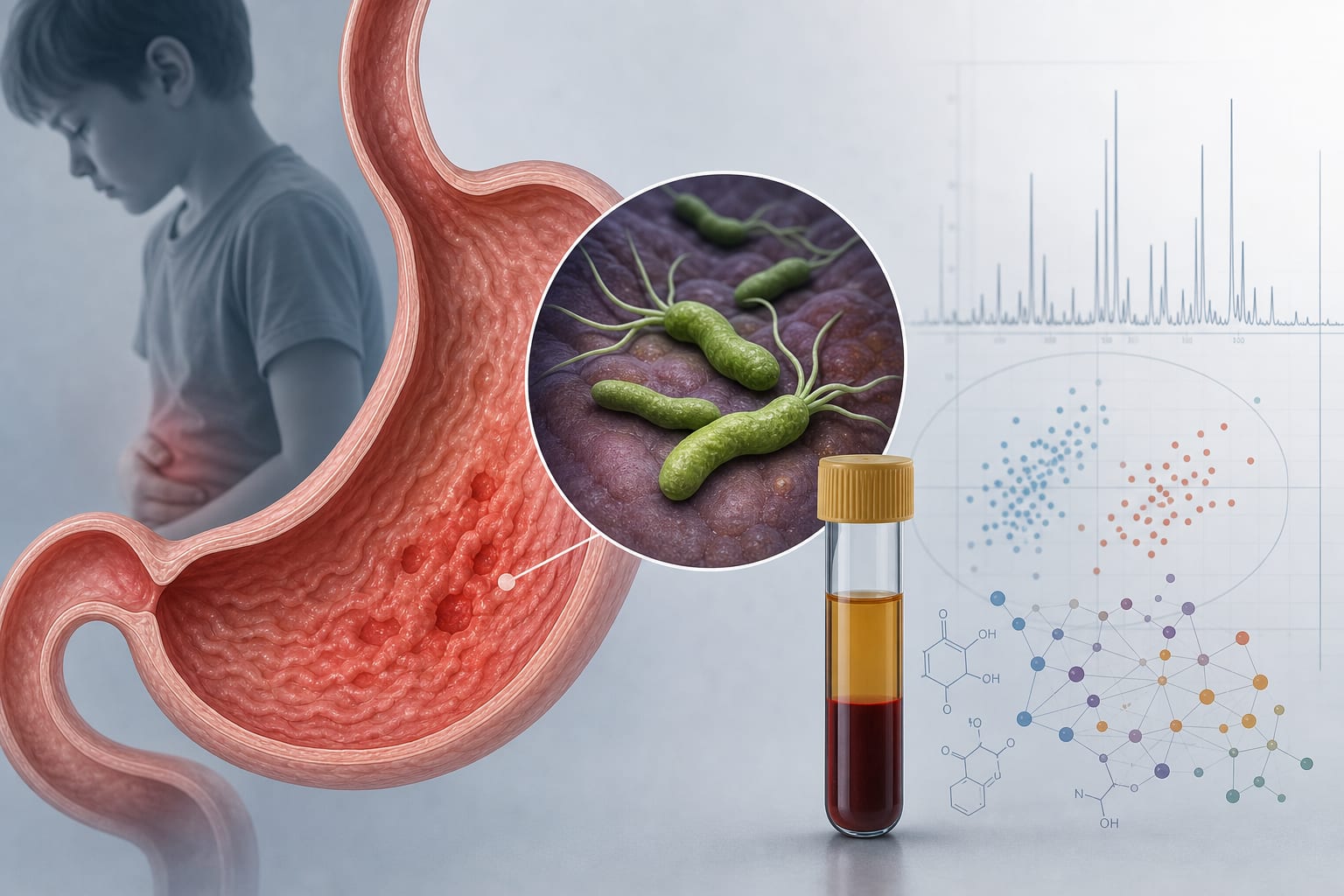
This study evaluates urinary levels of Fatty Acid Binding Protein 2 (FABP2) as a potential non-invasive biomarker for intestinal damage in children with celiac disease (CeD). Elevated FABP2 levels were significantly associated with active CeD, suggesting its utility in assessing gut integrity.
Background
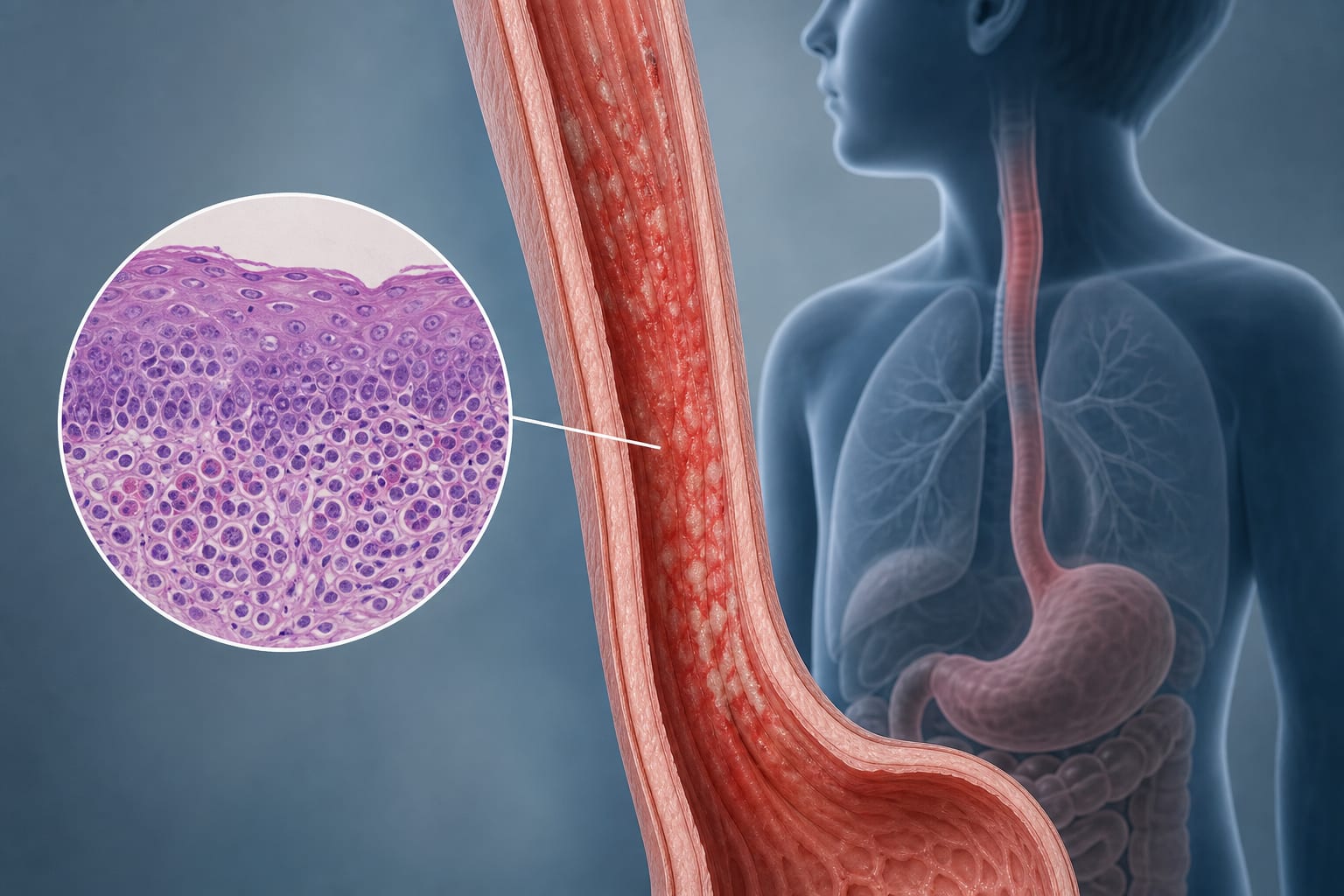
Celiac disease is an autoimmune disorder that leads to intestinal damage upon gluten exposure, necessitating effective diagnostic methods. Traditional diagnostic approaches, including serology and biopsy, can be invasive and costly. Identifying non-invasive biomarkers like FABP2 could enhance the diagnostic process and patient management.
Data Highlights
Group
FABP2 Level (pg/ml)
Controls (n=65)
9.65
CeD on GFD (n=26)
15.0
Active CeD (n=12)
47.7
Key Findings
FABP2 levels were significantly higher in active CeD patients compared to controls (p<0.05).
FABP2 levels in CeD patients on a gluten-free diet were not significantly different from controls.
The ROC curve analysis indicated an AUC of 0.7269 for FABP2 as a diagnostic biomarker.
The optimal cutoff for FABP2 was determined to be 23.7 pg/ml, with a sensitivity of 66.7% and specificity of 76.9%.
Urinary FABP2 may reflect intestinal epithelial injury and disease activity in CeD.
Clinical Implications
The findings suggest that urinary FABP2 could serve as a non-invasive biomarker for assessing intestinal damage in pediatric patients with celiac disease. This may facilitate earlier diagnosis and monitoring of disease activity, potentially reducing reliance on invasive procedures.
Conclusion
Urinary FABP2 levels show promise as a non-invasive marker for intestinal integrity in celiac disease, warranting further validation through larger studies.