Investigating the relationship between genotype and phenotype in three pediatric cases with IL10RA mutations and very early-onset inflammatory bowel disease - Report - MDSpire
Conexiant’s news site is now MDSpire News. Learn more
Advertisement
Investigating the relationship between genotype and phenotype in three pediatric cases with IL10RA mutations and very early-onset inflammatory bowel disease
Genotype-Phenotype Correlations in Pediatric VEO-IBD with IL10RA Mutations
Overview
This study reports on three pediatric cases of very early-onset inflammatory bowel disease (VEO-IBD) associated with distinct IL10RA mutations. Clinical, genetic, and familial analyses reveal differing phenotypic severity linked to homozygous versus compound heterozygous mutations, highlighting genotype-phenotype correlations in IL10RA-related VEO-IBD.
Background
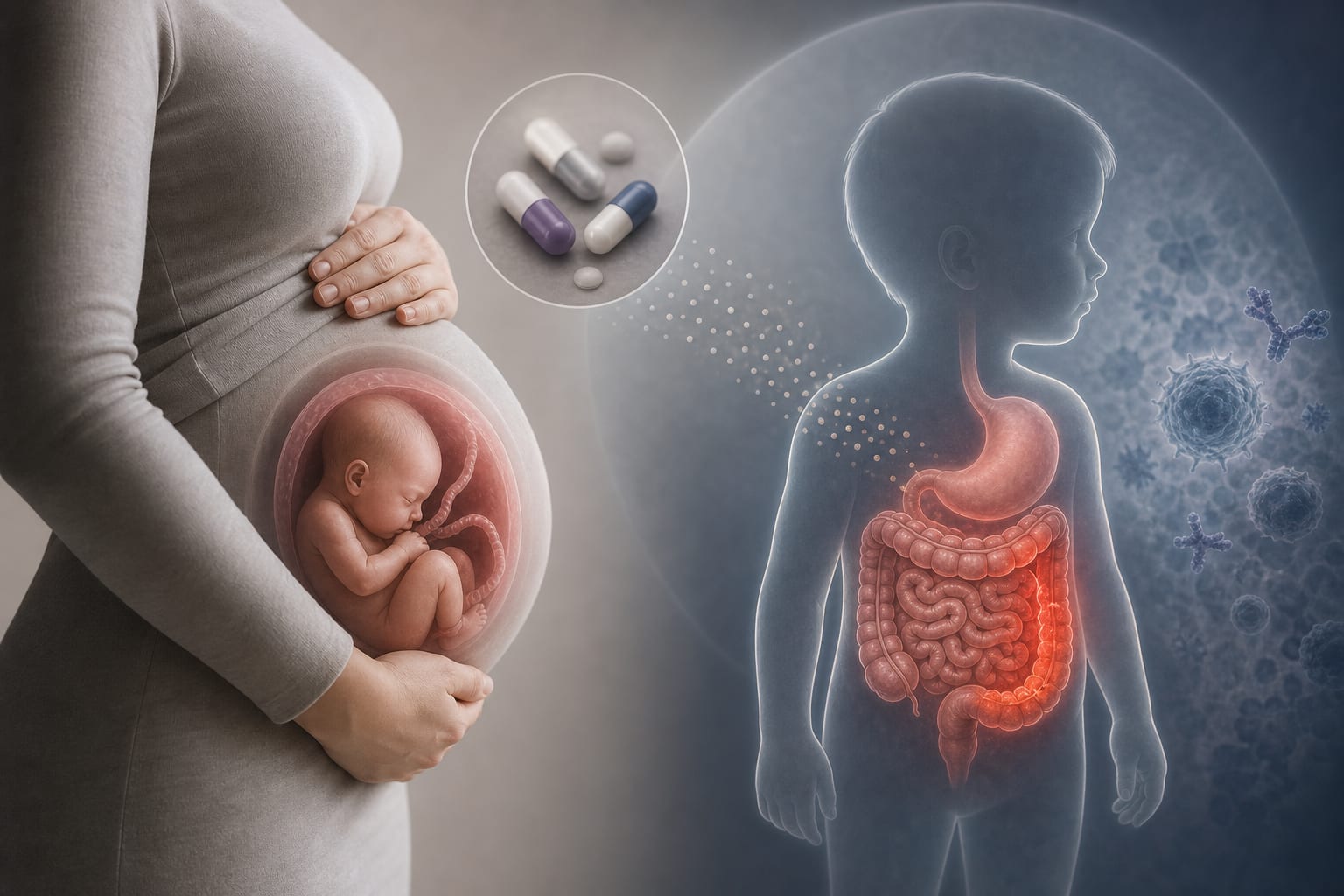
Very early-onset inflammatory bowel disease (VEO-IBD) manifests before six years of age, often with severe, progressive symptoms refractory to conventional immunosuppressive therapies. Genetic mutations in the IL-10 signaling pathway, particularly IL10RA, have been implicated in monogenic forms of VEO-IBD. IL10RA mutations disrupt anti-inflammatory signaling, leading to excessive intestinal inflammation characterized by diarrhea, perianal disease, oral ulcers, and growth delay. Understanding how different IL10RA mutations influence clinical presentation is critical for diagnosis and management.
All three patients presented with VEO-IBD symptoms within infancy, confirming early disease onset linked to IL10RA mutations.
Case 1 harbored a homozygous c.301 C>T (p.Arg101Trp) mutation associated with the earliest onset and most severe phenotype, including high serum IL-10 levels and extensive perianal disease.
Cases 2 and 3 carried compound heterozygous IL10RA mutations, presenting with somewhat later onset and a clinical spectrum including perianal abscesses, fistulas, and mucosal ulcers.
Familial segregation analysis demonstrated autosomal recessive inheritance with parents as heterozygous carriers.
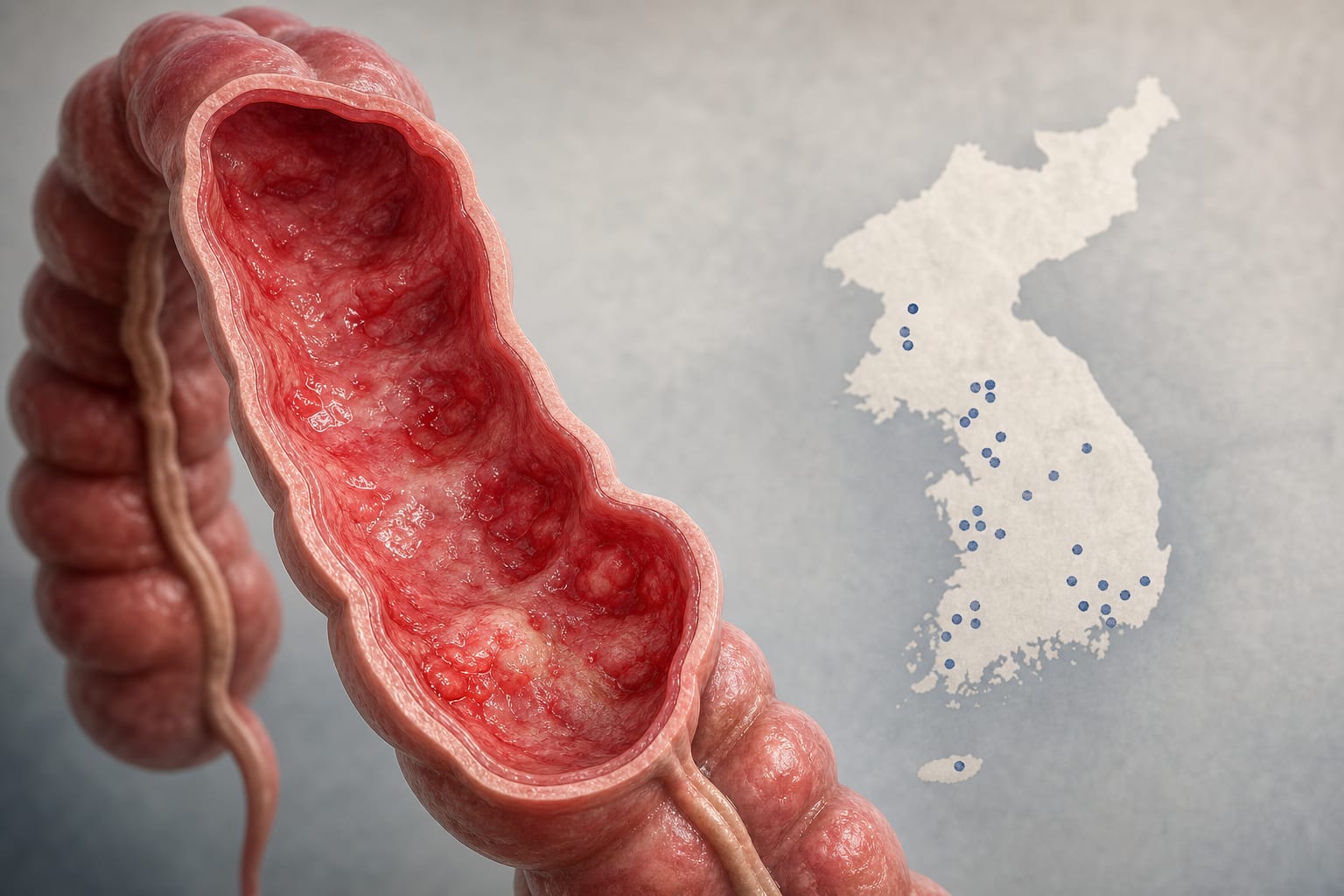
Colonoscopy and histopathology confirmed chronic inflammatory changes consistent with IBD in all cases.
Clinical Implications
Early genetic testing for IL10RA mutations should be considered in infants presenting with severe, refractory VEO-IBD symptoms, especially with perianal disease. Identification of homozygous versus compound heterozygous mutations may inform prognosis and guide therapeutic decisions. Familial genetic counseling is important given the autosomal recessive inheritance pattern.
Conclusion
This case series underscores the importance of IL10RA mutations in the pathogenesis of VEO-IBD and highlights genotype-phenotype correlations that may influence clinical management. Further studies are needed to expand understanding of mutation-specific disease manifestations.
Related Resources & Content
Introduction references 1-12 -- Various studies on VEO-IBD and IL10RA mutations