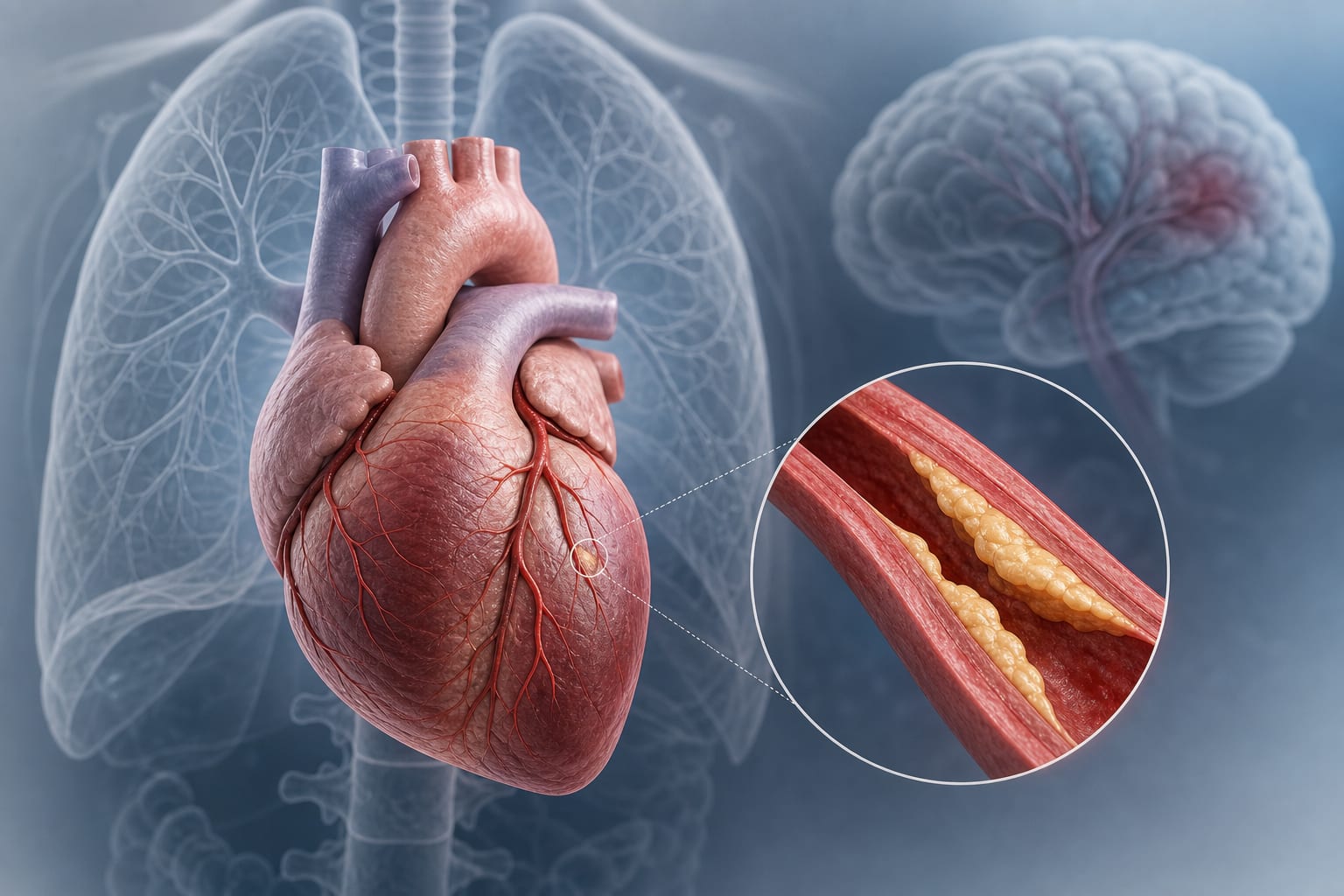
This study analyzed the predictive value of mineral metabolism biomarkers, particularly fibroblast growth factor 23 (FGF23), for atrial fibrillation (AF) development following acute coronary syndrome (ACS). Data from the BACS and BAMI cohorts demonstrated that elevated FGF23 levels and age are significant predictors of AF occurrence post-ACS.
Background
Atrial fibrillation is a prevalent arrhythmia with increasing incidence and significant morbidity and mortality. Its occurrence after acute coronary syndrome is clinically important but not fully understood. Mineral metabolism markers, especially FGF23, have been linked to cardiovascular outcomes and may predict AF development. This study investigates these biomarkers alongside clinical factors to forecast AF risk in ACS patients, considering age-related differences.
FGF23 is a robust predictor of AF development after ACS, likely mediated by myocardial fibrosis and ventricular hypertrophy.
Age is a significant factor influencing AF risk and correlates with rising FGF23 levels.
Other mineral metabolism components (calcidiol, PTH, phosphate, klotho) were analyzed but FGF23 showed the strongest association with AF.
Patients over 85 years were excluded to focus on a population with better survival and follow-up feasibility.
AF diagnosis was confirmed by systematic ECG review during a median follow-up extending to 2016.
Clinical Implications
Monitoring FGF23 levels in patients after ACS may help identify those at higher risk for developing AF, enabling targeted preventive strategies. Age stratification is important when assessing AF risk, as biomarker profiles and AF dynamics differ with advancing age. Incorporating mineral metabolism biomarkers into clinical practice could improve AF prediction and management post-ACS.
Conclusion
FGF23 serves as a valuable biomarker for forecasting atrial fibrillation following acute coronary syndrome, with age playing a modifying role. These findings support further integration of mineral metabolism assessment in cardiovascular risk stratification.
Related Resources & Content
BACS & BAMI Study Group 2024 -- Forecasting Atrial Fibrillation Following Acute Coronary Syndrome
by Jaime Francisco Larre-Guerra, Álvaro Castrillo-Capilla, Macarena Garbayo-Bugeda, Andrea Kallmeyer, Ester Cánovas, María Nieves Tarín, Carmen Cristóbal, Ana Huelmos, Carlos Gutiérrez-Landaluce, José Antonio Esteban Chapel, Junior Senra, María Luisa González Casaus, Joaquín Alonso, Lorenzo López-Bescós, Ignacio Mahíllo, Óscar Lorenzo, José Manuel Rubio-Campal, José Tuñón