Clinical Report: Evaluation of a Novel Training Program for Clinicians
Overview
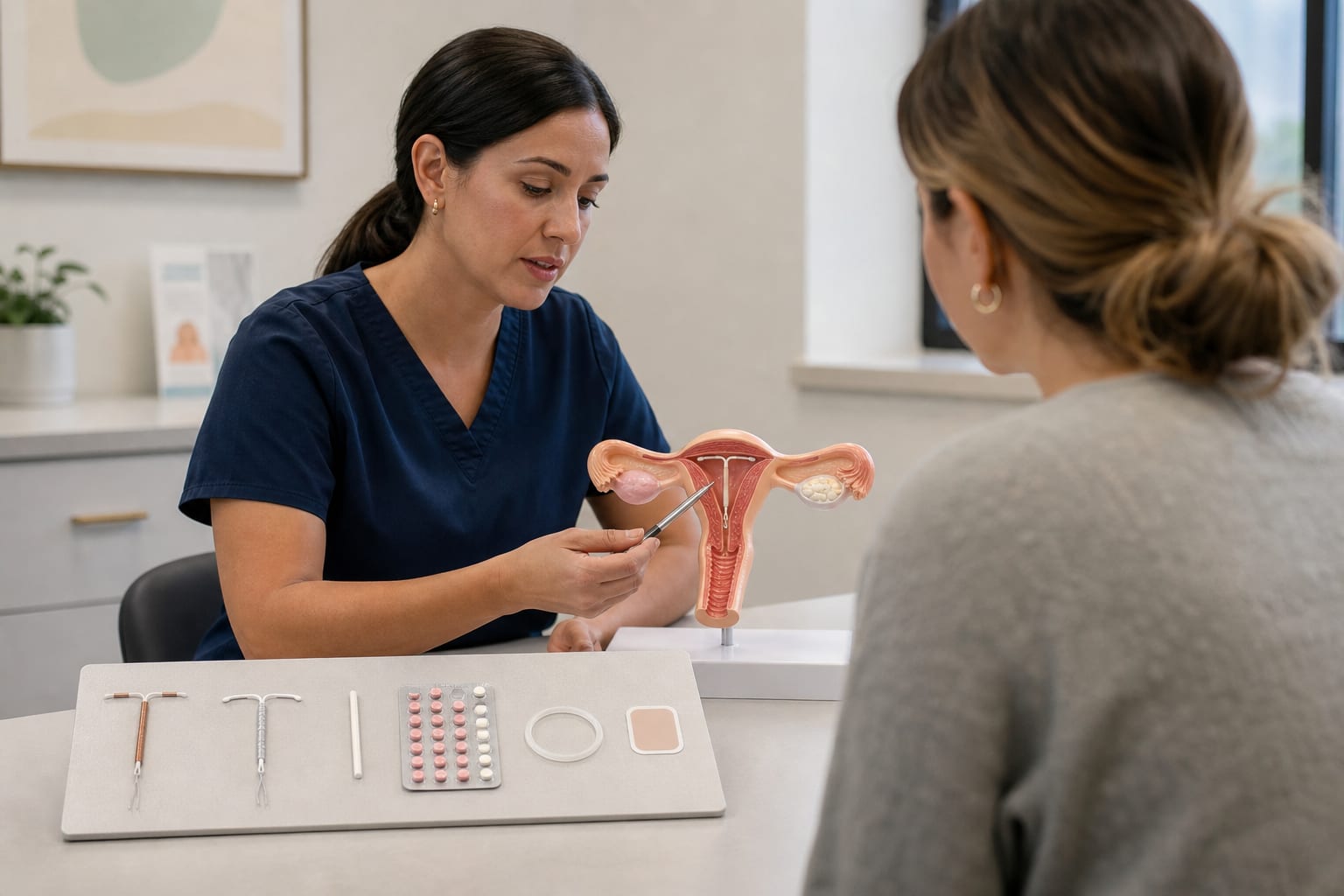
This report evaluates a pilot training program aimed at enhancing clinicians' ability to counsel adolescents on online contraceptive resources. The training, which included a dedicated module on online information, demonstrated feasibility and positive preliminary outcomes in clinician knowledge and self-efficacy.
Background
Accurate contraceptive information is crucial for adolescents to make informed reproductive health decisions, especially in an era where misinformation proliferates on social media. Clinicians are identified as the most trusted source of this information, highlighting the need for effective training programs that equip them to guide adolescents through the complexities of online resources. This study addresses a significant gap in clinician training regarding digital sexual and reproductive health information.
Data Highlights
No numerical data or trial results were provided in the source material.
Key Findings
The training program was co-developed with input from adolescents, caregivers, and clinicians.
The Online Information module was specifically designed to enhance clinician counseling skills regarding online contraceptive resources.
Participants received a digital resource toolkit aligned with the training content.
Surveys assessed changes in knowledge, beliefs, self-efficacy, and behaviors related to online contraceptive information.
Follow-up interviews indicated positive reception and perceived value of the training among participants.
Clinical Implications
Clinicians should be equipped with training that addresses the complexities of online contraceptive information to better support adolescent patients. Ongoing education and resource provision can enhance clinician confidence and effectiveness in counseling, ultimately improving adolescent access to accurate contraceptive information.
Conclusion
The pilot training program shows promise in enhancing clinician capabilities to guide adolescents on online contraceptive resources. Further evaluation is needed to assess long-term impacts on clinician practice and adolescent health outcomes.
by Cambray Smith, Leah Frerichs, Hailey Leiva, Lucy Burwell, Melissa B. Gilkey, Christopher M. Shea, Betsy Sleath, Carol Golin, Samantha Schilling, Bianca A. Allison