Case Report: Cortical bone loss, impaired mineralization, and reduced adiposity contributing to chronic bone pain in SFRP4-related skeletal disease with an ALPL variant - Report - MDSpire
Advertisement
Case Report: Cortical bone loss, impaired mineralization, and reduced adiposity contributing to chronic bone pain in SFRP4-related skeletal disease with an ALPL variant
Clinical Report: Chronic Bone Pain Associated with SFRP4-Related Disorder
Overview
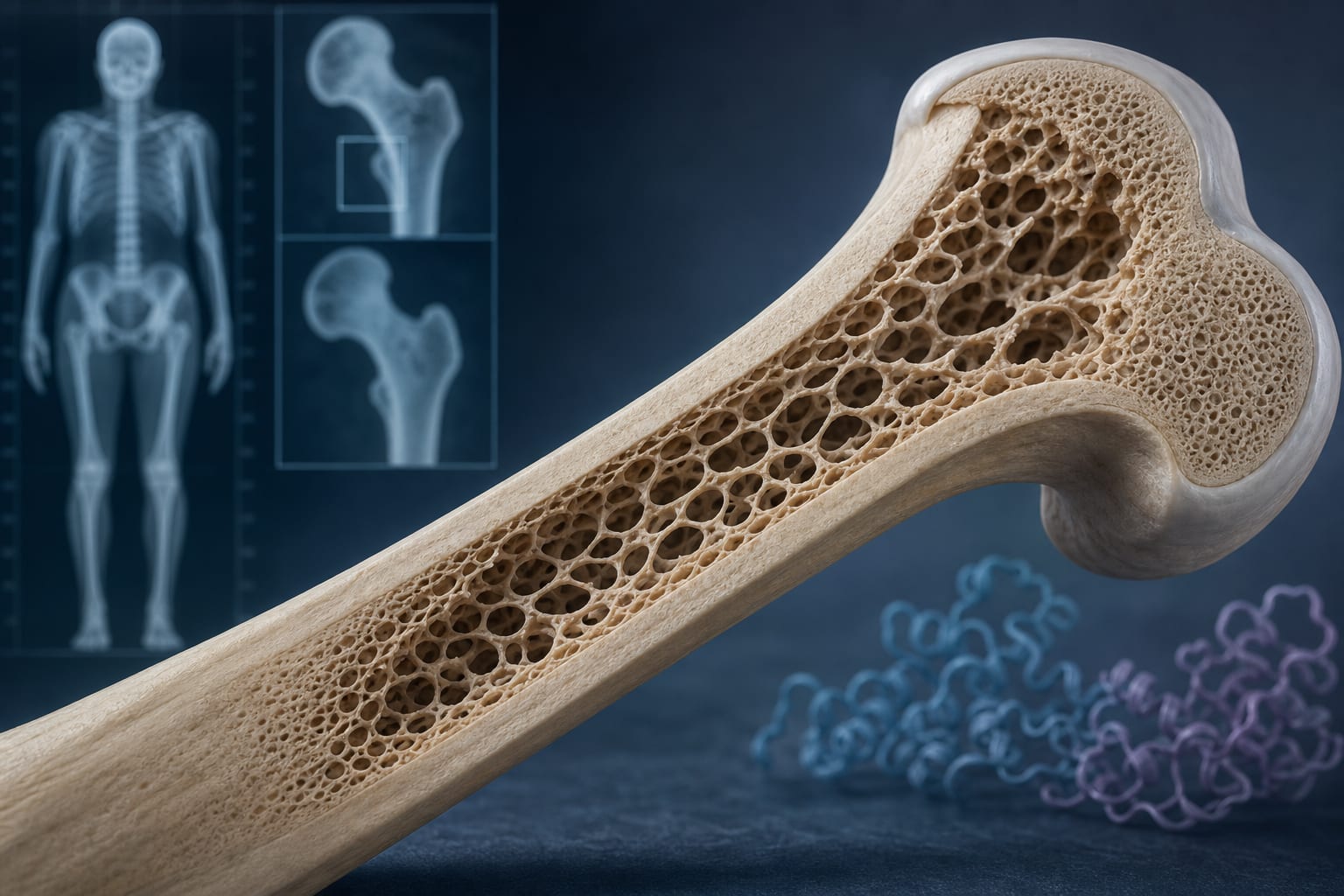
This case study presents an adult woman with Pyle disease due to a homozygous SFRP4 variant, experiencing severe chronic bone pain. The findings suggest a structural-metabolic interaction involving cortical bone loss, impaired mineralization, and decreased adiposity.
Background
Pyle disease is a rare metaphyseal dysplasia linked to SFRP4 variants, leading to abnormal bone modeling and persistent pain. Understanding the mechanisms behind bone pain in such disorders is crucial for effective management and treatment strategies.
Data Highlights
Parameter
Result
Bone Mineral Density (Lumbar)
Preserved
Femoral Neck Bone Mass
Markedly Reduced
Bone Alkaline Phosphatase
Persistently Low
Vitamin B6 Levels
Normal
Total Fat Mass
~2nd Percentile
Key Findings
The patient has a homozygous SFRP4 variant consistent with Pyle disease.
Severe and persistent bone pain was reported, impacting daily activities.
Bone imaging revealed cortical bone loss and diffuse bone marrow edema.
Low bone alkaline phosphatase levels suggest impaired mineralization.
A heterozygous ALPL variant of uncertain significance was identified.
Clinical Implications
Clinicians should consider the potential for chronic pain in patients with Pyle disease and assess for coexisting metabolic conditions. Management should focus on pain relief and monitoring for skeletal complications.
Conclusion
This case highlights the complex interplay between structural and metabolic factors in chronic bone pain associated with SFRP4-related disorders, warranting further investigation into targeted therapeutic approaches.
by Fernando Lizcano, Eliana Avilés, Cristian López, Silvia Maradei-Anaya, Maria Camila Ballesteros-García, Lizeth Bustamante, Fredy Luna, Miguel O’Meara, Alex Valenzuela