Ruxolitinib combined with azithromycin for scrub typhus-associated hemophagocytic lymphohistiocytosis in a child: a case report and narrative literature review - Report - MDSpire
Advertisement
Ruxolitinib combined with azithromycin for scrub typhus-associated hemophagocytic lymphohistiocytosis in a child: a case report and narrative literature review
Clinical Report: Combination of Ruxolitinib and Azithromycin for Treating HLH
Overview
Revise to include specific data or findings to support the claim of rapid clinical improvement.
Background
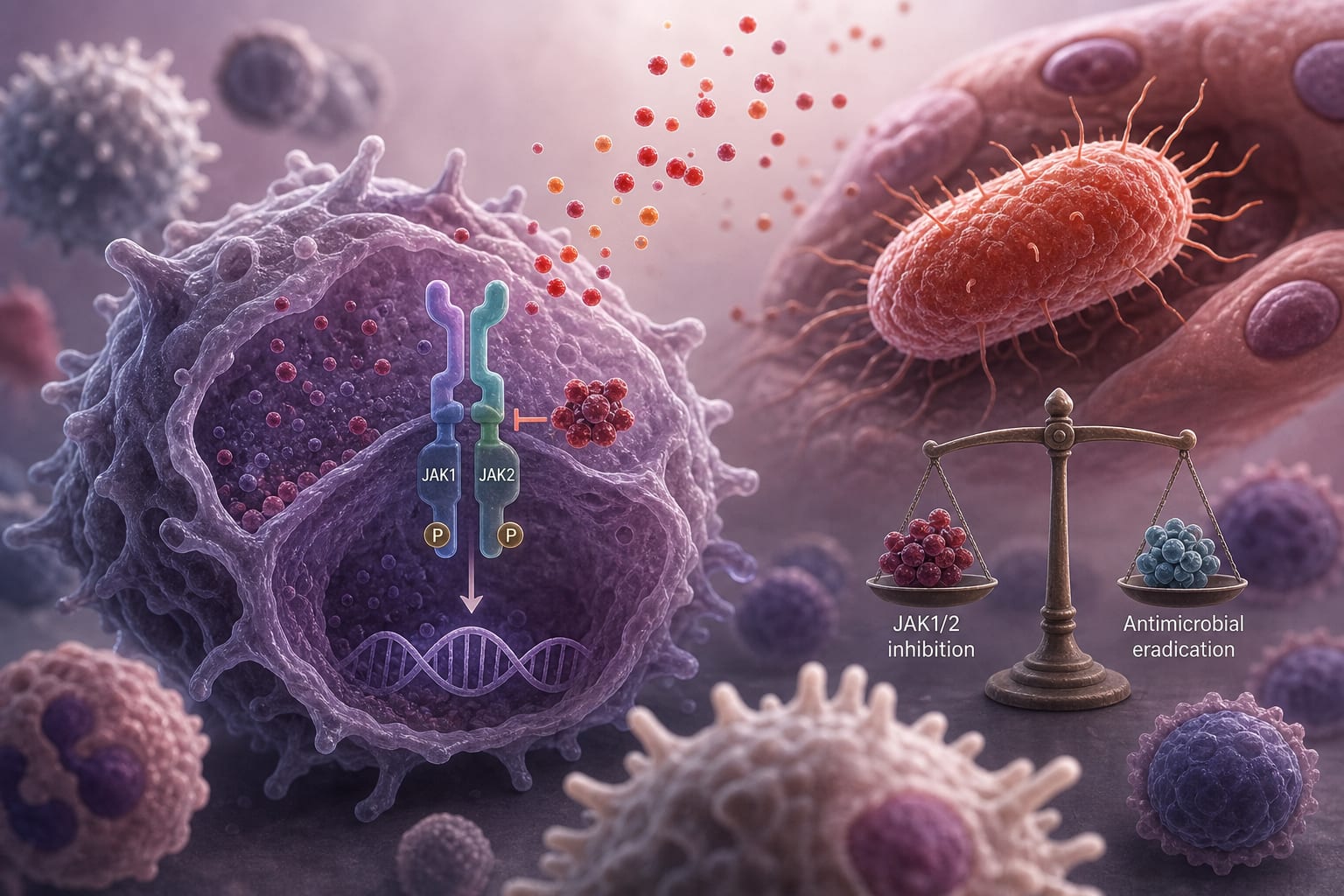
Hemophagocytic lymphohistiocytosis (HLH) is a severe hyperinflammatory syndrome that can be triggered by infections such as scrub typhus, which is endemic in many regions. The management of HLH often involves immunomodulation and effective anti-rickettsial therapy, but conventional treatments may not always be sufficient. The introduction of targeted therapies like JAK1/2 inhibitors offers a potential new approach in managing this life-threatening condition.
Data Highlights
Parameter
Value
Platelets
40× 109/L
Ferritin
>2,000 ng/mL
Fibrinogen
1 g/L
Interferon-gamma
135.48 pg/mL
Normalized Platelet Count
240× 109/L by Day 8
Ferritin Decline
1,246 ng/mL by Day 8
Fibrinogen Recovery
2.4 g/L by Day 8
Key Findings
The patient met six of eight HLH-2004 diagnostic criteria.
Ruxolitinib was initiated on the day of admission and was associated with rapid clinical improvement.
Fever resolved within 72 hours of treatment initiation.
By day 8, laboratory parameters including platelet count, ferritin, and fibrinogen showed significant improvement.
The overall mortality rate in previously reported pediatric cases of scrub typhus-associated HLH was 11.94%.
Only 4.5% of the reviewed cases received etoposide, indicating limited use of this chemotherapy in practice.
Clinical Implications
The use of ruxolitinib in this case suggests a potential new avenue for treatment in scrub typhus-associated HLH, particularly in cases where conventional therapies are inadequate. Further investigation into the efficacy and safety of JAK1/2 inhibitors in this context is warranted.
Conclusion
This case highlights the potential of ruxolitinib combined with azithromycin as a novel treatment strategy for hemophagocytic lymphohistiocytosis linked to scrub typhus, warranting further research to validate these findings.