Advancing from Severity Assessment to Predictive Modeling: The Growing Impact of AI in Neurosurgical Practice
-
By
-
Yongyi Huang
-
June 26, 2026
Clinical Report: Advancing from Severity Assessment to Predictive Modeling
Overview
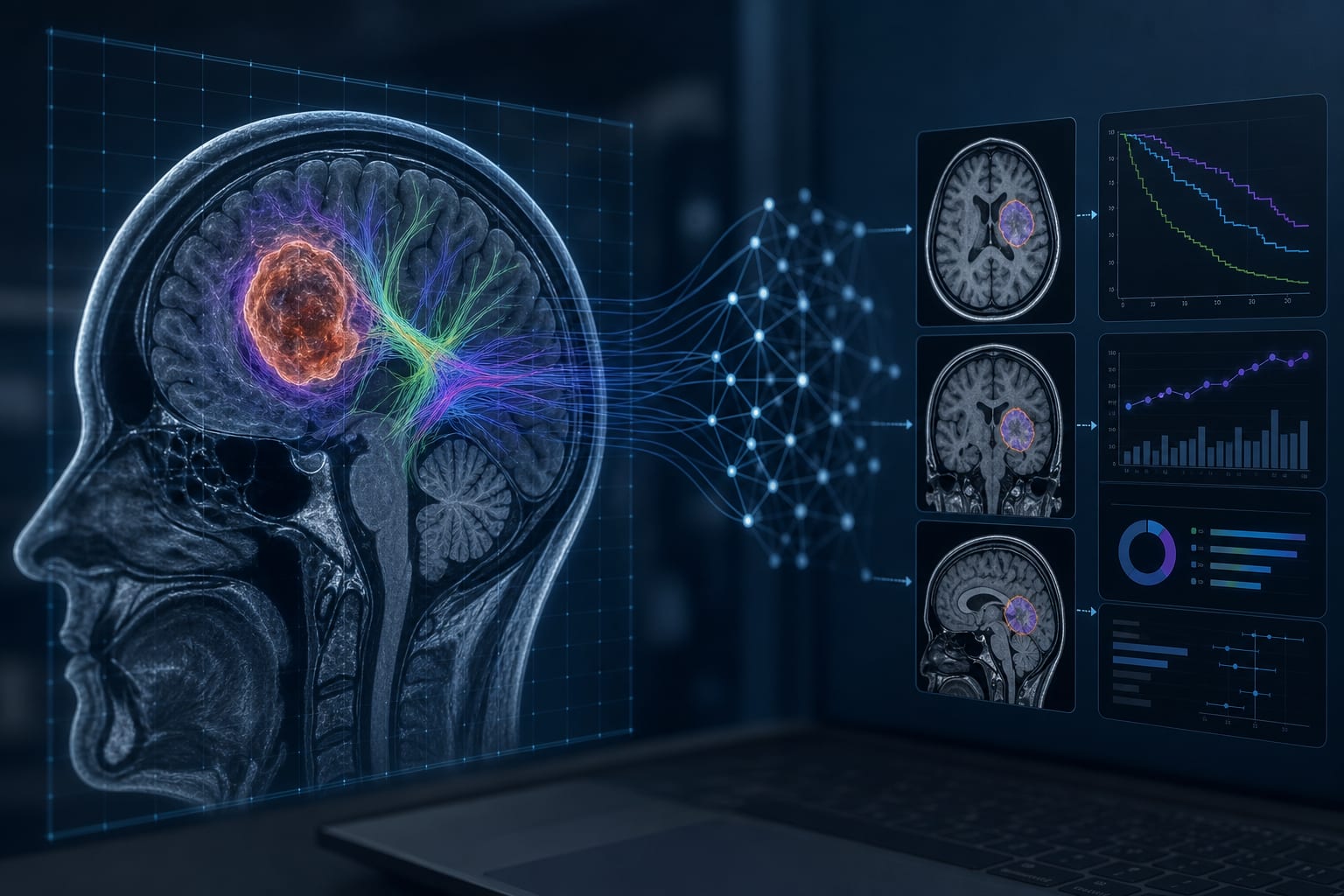
The integration of artificial intelligence (AI) in neurosurgery is enhancing patient care across various stages, from diagnostics to postoperative management. This review highlights the transition from traditional severity assessments to advanced predictive modeling.
Background
Neurosurgery is evolving to meet the demands for precision in managing complex conditions like traumatic brain injuries and intracranial tumors. Traditional severity scoring systems have been foundational in guiding clinical decisions.
Data Highlights
Performance metrics include Dice scores of 0.82–0.84 for tumor segmentation and AUC values of 0.80–0.90 for molecular prediction and outcome forecasting, as reported in relevant studies.
Key Findings
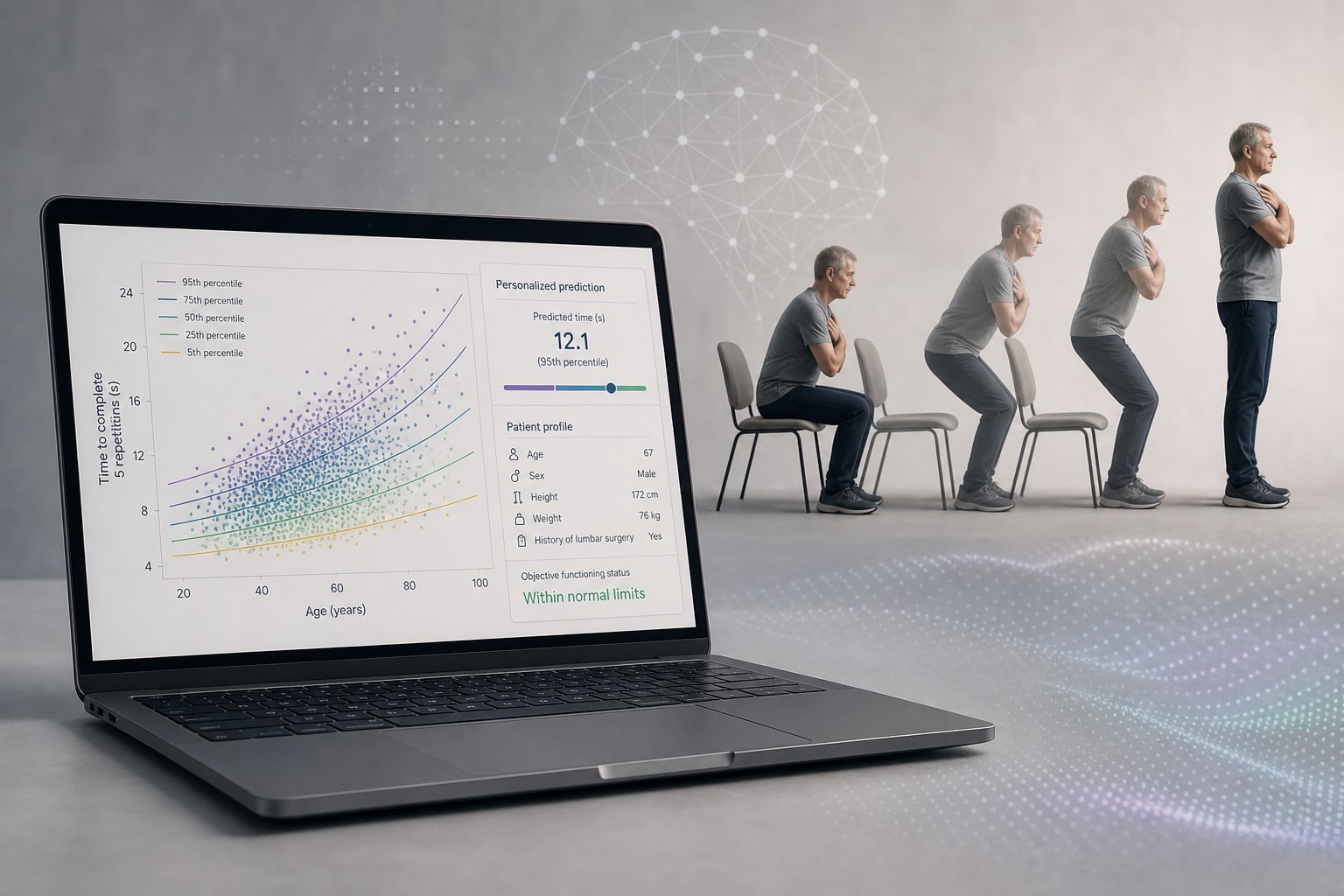
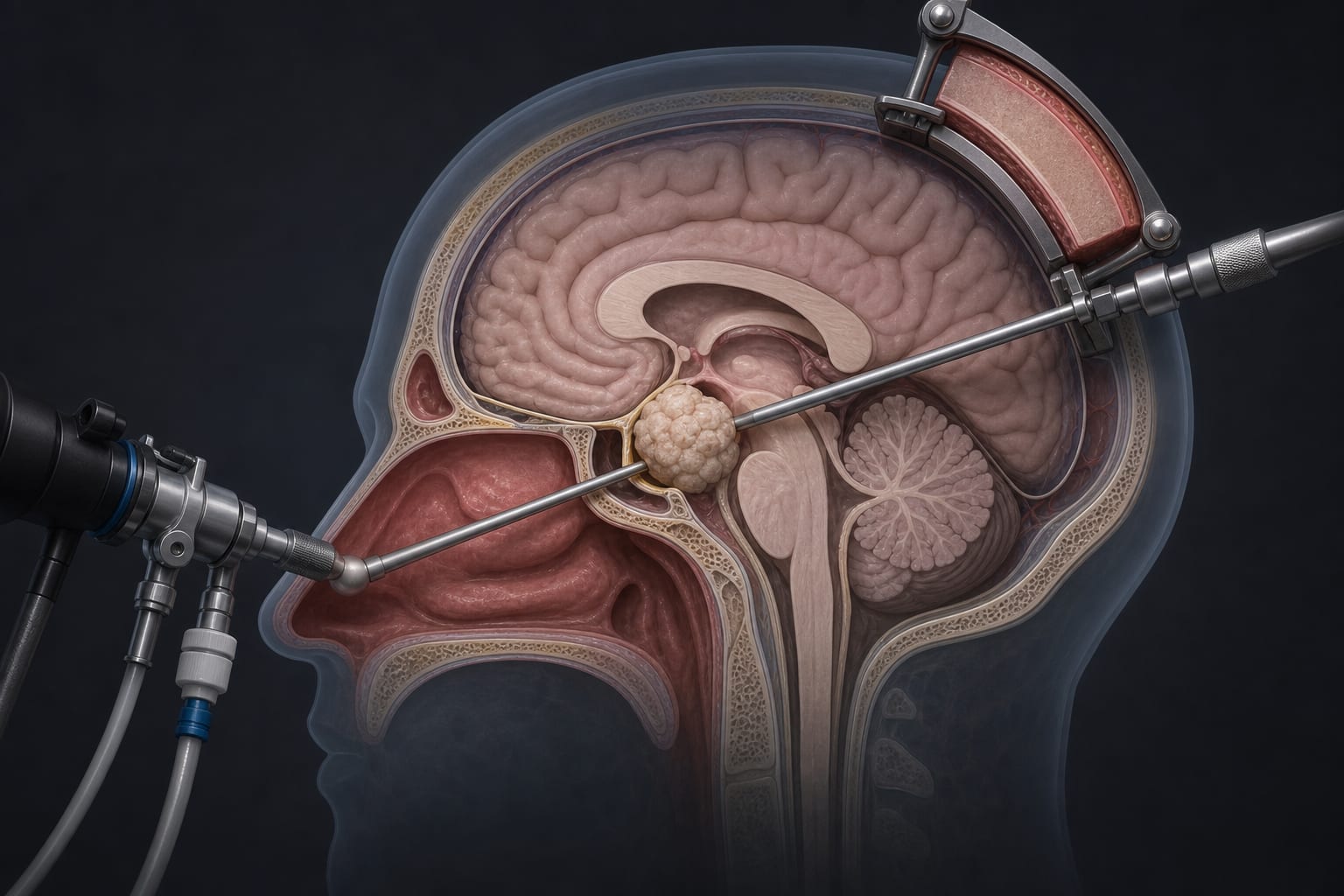
- AI applications include lesion detection, surgical navigation, and rehabilitation.
- Challenges such as data harmonization and bias mitigation remain critical in AI implementation.
- Emerging paradigms like federated learning and generative AI are shaping future neurosurgical practices.
Clinical Implications
Understanding AI's capabilities and limitations is essential for integrating these technologies into routine practice.
Conclusion
The integration of AI into neurosurgical practice has the potential to enhance outcomes through improved predictive modeling and decision support.
Related Resources & Content
- Journal of Neuro-Oncology, Innovations in Artificial Intelligence for Neurosurgical Oncology: A Comprehensive Review
- Frontiers in Surgery, Artificial intelligence in neurovascular surgery: advancing diagnosis, treatment, and outcomes
- Frontiers in Surgery, Predicting future surgical steps during MCA aneurysm clipping using a multimodal transformer
- npj Digital Medicine, An Interpretable Machine Learning Approach for Predicting Postoperative Risks and Supporting Surgical Decisions in Cranioplasty
- Final FDA guidance on PCCP includes clarification on version control | RAPS
- Ethics and governance of AI in healthcare
- TRIPOD+AI statement: updated guidance for reporting clinical prediction models that use regression or machine learning methods - PMC
- ACR Approves First Practice Parameter for Imaging Artificial Intelligence
- Automated Large Vessel Occlusion Detection Software and Thrombectomy Treatment Times: A Cluster Randomized Clinical Trial - PMC
- Artificial Intelligence-Driven Detection of Large Vessel Occlusions on NCCT: A Multi-Institutional Study - PubMed
- Final FDA guidance on PCCP includes clarification on version control
- Ethics and governance of AI in healthcare
- TRIPOD+AI statement: updated guidance for reporting clinical prediction models that use regression or machine learning methods - PMC
- ACR Approves First Practice Parameter for Imaging Artificial Intelligence
- Automated Large Vessel Occlusion Detection Software and Thrombectomy Treatment Times: A Cluster Randomized Clinical Trial - PMC
- Artificial Intelligence-Driven Detection of Large Vessel Occlusions on NCCT: A Multi-Institutional Study - PubMed
- Performance of artificial intelligence for brain tumor segmentation, treatment planning, and outcome prediction: a comprehensive systematic review and meta-analysis - PubMed
- Are AI Neuroimaging Models Ready for Clinical Use? A Systematic Methodological Review
- The age of Artificial Intelligence in neurosurgical practice and educational paradigms – Considerations from the EANS Ethico-Legal and Young Neurosurgeons’ committees - PMC
- American Association of Neurological Surgeons and Congress of Neurological Surgeons Statement for the Record of the House Ways and Means Subcommittee on Health Hearing “Health at Your Fingertips: Harnessing the Power of Digital Health Data”
- RSNA Publishes Joint Statement on Use of AI Tools in Radiology | RSNA
Based on findings from:
From severity scoring to predictive analytics: the emerging role of AI in neurosurgery
Yongyi Huang. Frontiers In Neurology, 2026.
https://www.frontiersin.org/journals/neurology/articles/10.3389/fneur.2026.1753844/full
This content is an AI-generated, fully rewritten summary based on a published scholarly article. It does not reproduce the original text and is not a substitute for the original publication. Readers are encouraged to consult the source for full context, data, and methodology.