Surgical Interventions for Type 2 Diabetes in Obese Korean Patients
Overview
This multicenter retrospective study compared sleeve gastrectomy (SG) and Roux-en-Y gastric bypass (RYGB) in Korean patients with obesity and type 2 diabetes mellitus (T2DM). The study evaluated diabetes remission rates, weight loss, and postoperative complications over 1 and 2 years, providing population-specific evidence to guide surgical decision-making in East Asia.
Background
Obesity and T2DM are interrelated global health challenges, with rising prevalence worldwide and in East Asia. Metabolic/bariatric surgery (MBS) is an effective treatment for both conditions, with SG and RYGB being the most common procedures. While RYGB often yields greater weight loss and glycemic control, SG is simpler with fewer complications. However, evidence comparing these procedures in Asian populations remains limited, necessitating studies tailored to their unique clinical characteristics.
Data Highlights
Outcome
SG Group
RYGB Group
Complete T2DM Remission at 1 Year
Data not provided
Data not provided
Complete T2DM Remission at 2 Years
Data not provided
Data not provided
Weight Loss (BMI change)
Data not provided
Data not provided
Postoperative Complications
Data not provided
Data not provided
Note: Specific numerical results were not included in the provided text.
Key Findings
RYGB involves a smaller gastric pouch and longer alimentary and biliopancreatic limbs compared to SG’s tubular stomach creation.
Primary outcome was complete T2DM remission at 1 and 2 years, defined by medication cessation and normalized HbA1c or fasting glucose.
Inverse probability of treatment weighting was used to adjust for baseline differences between groups, accounting for multiple clinical covariates.
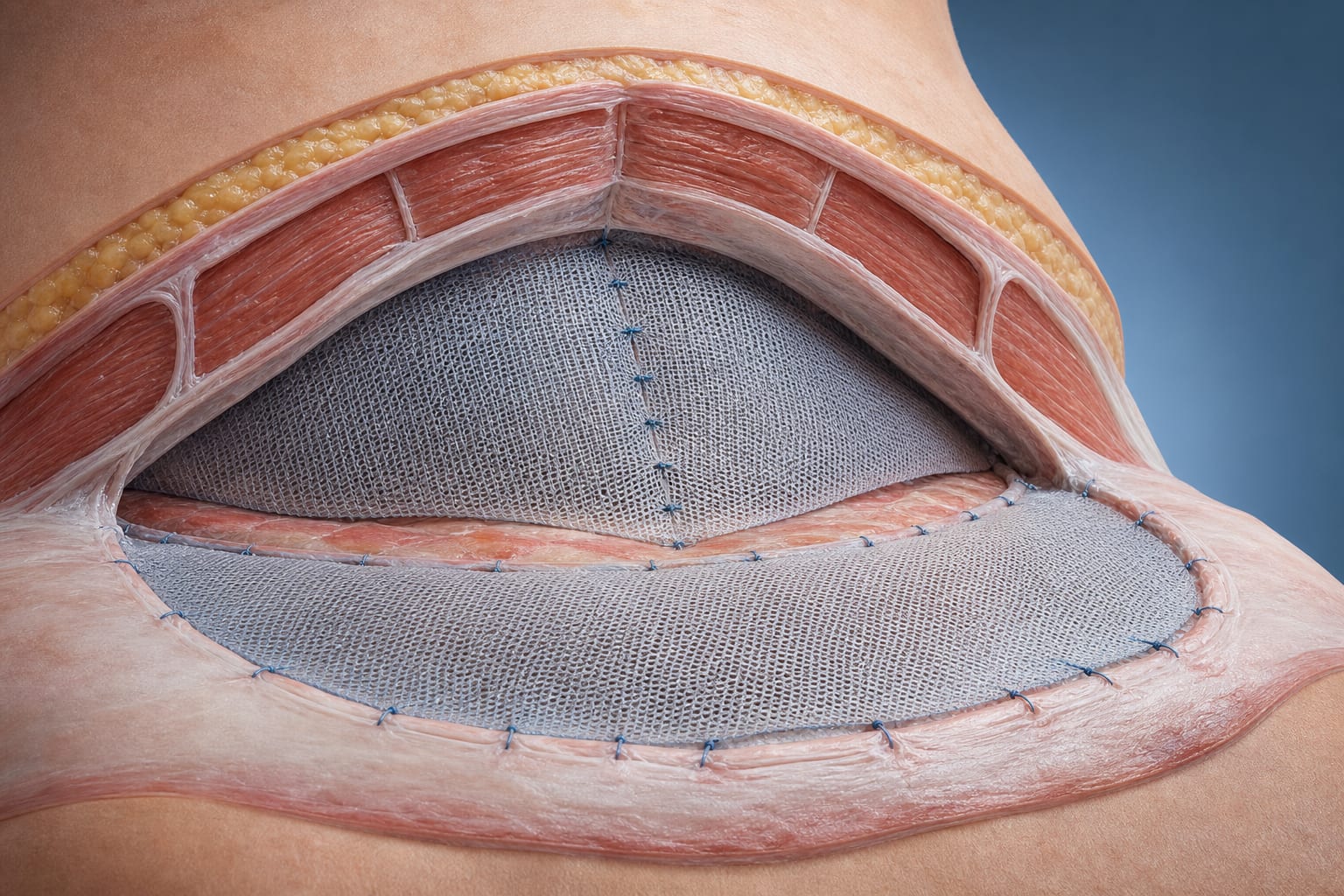
Both procedures included concomitant hiatal hernia repair when present.
Study addresses the need for East Asian-specific data due to unique genetic and phenotypic factors influencing diabesity outcomes.
Clinical Implications
This study highlights the importance of tailoring bariatric surgical approaches to the East Asian population with T2DM and obesity, considering their distinct clinical profiles. Understanding the comparative effectiveness and safety of SG versus RYGB can inform personalized surgical decisions to optimize diabetes remission and minimize complications. Clinicians should consider both metabolic benefits and procedural risks when selecting the surgical method.
Conclusion
The multicenter Korean study provides valuable population-specific insights into the comparative outcomes of SG and RYGB for T2DM remission and weight loss in obese patients. These findings support informed surgical decision-making tailored to East Asian patients with diabesity.
References
World Health Organization 2016 -- Global Obesity Prevalence
Global Diabetes Prevalence 1980-2014
Concept of Diabesity
Rising T2DM in East Asia
Metabolic/Bariatric Surgery Efficacy
International Guidelines for Metabolic Surgery
Asian BMI Thresholds for Obesity
Mechanisms of T2DM Remission Post-Surgery
Common MBS Procedures: SG and RYGB
SG Technical Simplicity and Safety
RYGB Weight Loss and Glycemic Outcomes
SLEEVEPASS and SM-BOSS Trials
Oseberg Trial on Diabetes Remission
Need for Asian Population-Specific Evidence
East Asian Phenotypic Differences in T2DM
Korean Gastric Cancer and Resectional Bypass
Comparable Outcomes of Resectional and Conventional RYGB
Korean Society for Metabolic and Bariatric Surgery Accreditation
by Young Suk Park, Soo Min Ahn, Sang Hyun Kim, Sung Il Choi, Kyung Won Seo, Han Hong Lee, Youngsung Suh, Ji Yeon Park, Sang Eok Lee, Sungsoo Park, Dong Jin Kim, In Cho, Yoo Min Kim, Songchang Shi, Tae Jung Oh, Yun-Suhk Suh, Ki Hyun Kim, Seungwan Ryu, Mi Kyung Kim, Do Joong Park, Seong-Ho Kong, Young Min Cho, In Gyu Kwon, Jong Suk Park, Minyoung Lee, Hyuk-Joon Lee