Clinical Report: Cancer Vaccines as Therapy: Challenges in Clinical Application
Overview
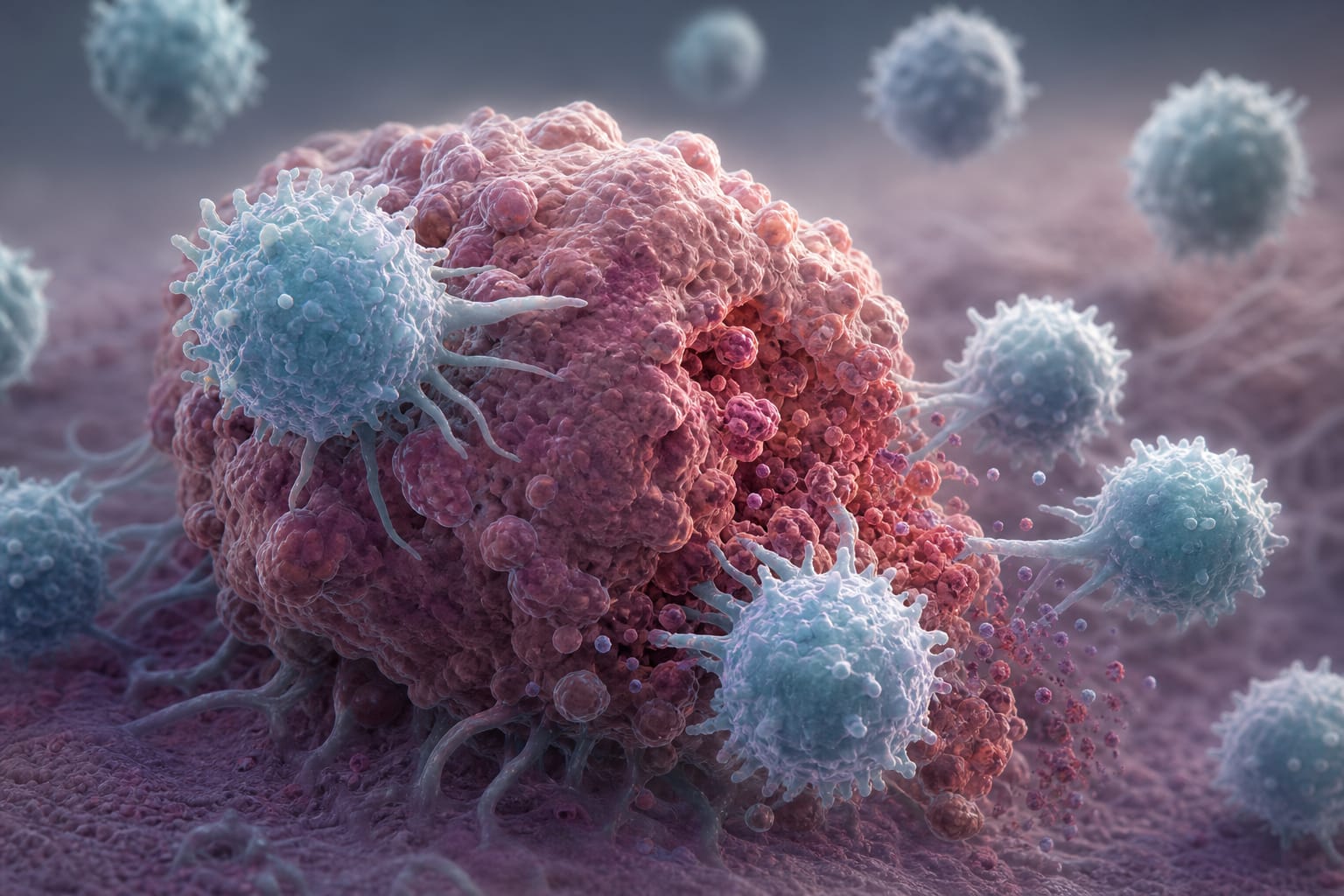
Therapeutic cancer vaccines (TCVs) show promise in inducing T cell responses against tumors, yet their clinical efficacy remains limited. This report discusses the challenges in TCV application and the potential for multimodal integration in cancer therapy.
Background
The evolution of cancer therapy has significantly included immunotherapy, particularly TCVs, which aim to harness the immune system to combat cancer. Despite their theoretical advantages, translating TCVs into effective clinical outcomes is hindered by various challenges, including manufacturing issues and the immunosuppressive tumor microenvironment. Understanding these barriers is crucial for improving patient outcomes and integrating TCVs into standard treatment protocols.
Data Highlights
No numerical data provided in the source material.
Key Findings
TCVs can induce robust and enduring T cell responses against malignant cells.
Clinical efficacy of TCVs is limited by manufacturing obstacles and patient variability.
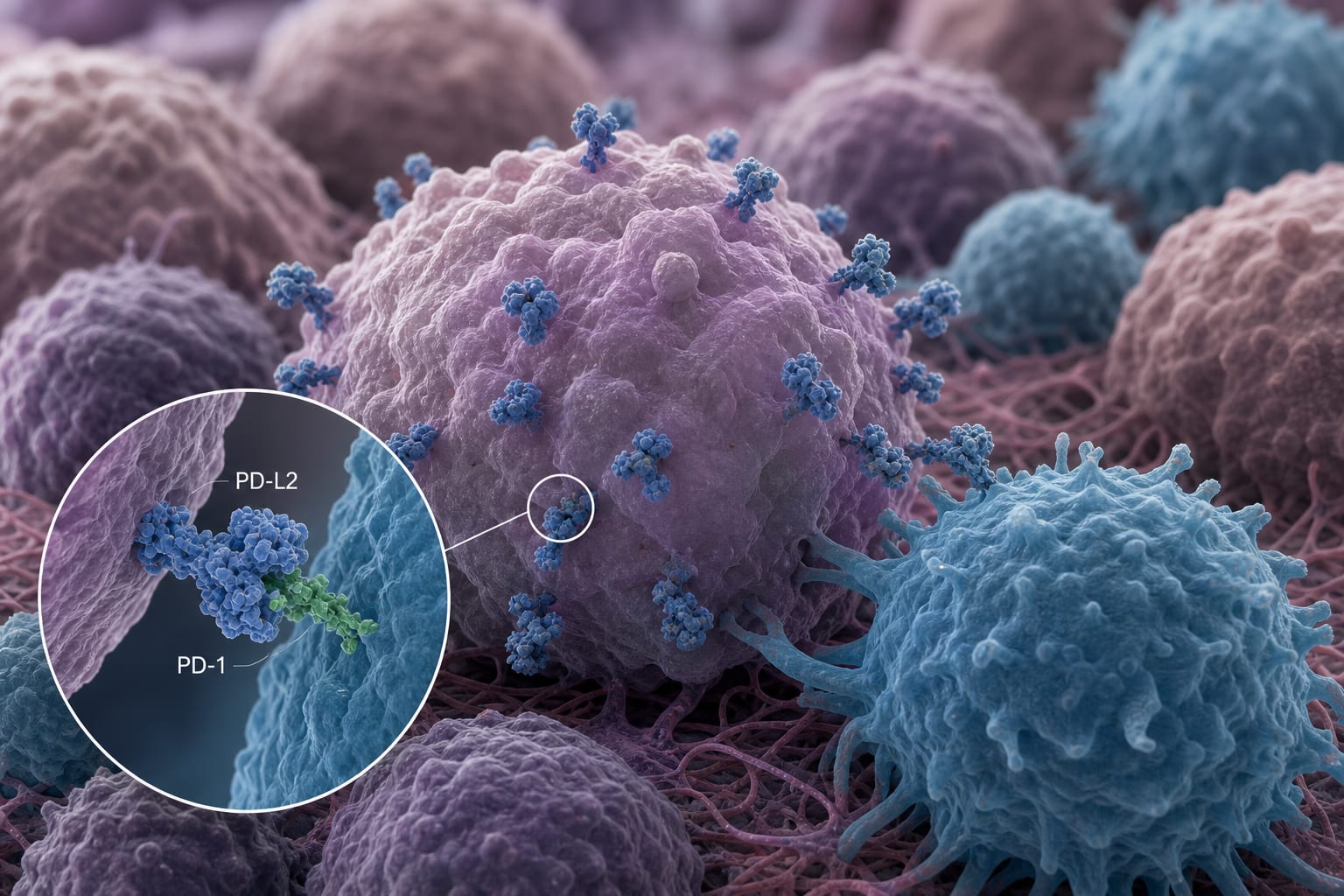
The immunosuppressive tumor microenvironment poses significant challenges to TCV effectiveness.
Combination strategies with TCVs may enhance their therapeutic potential, particularly in addressing minimal residual disease.
Current guidelines support the use of sipuleucel-T for specific prostate cancer patients, while other TCVs remain investigational.
Clinical Implications
Healthcare professionals should consider the potential of TCVs in combination with other therapies to improve patient outcomes. Ongoing research and clinical trials are essential to address the current limitations and optimize the use of TCVs in various cancer types.
Conclusion
While TCVs present a promising avenue for cancer treatment, significant challenges must be addressed to realize their full potential in clinical practice. Continued research and innovative strategies are necessary to enhance their efficacy and integration into cancer therapy.