Early-onset preeclampsia exposure and hospital outcomes of very preterm infants: a retrospective analysis of feeding intolerance and hospital morbidities - Report - MDSpire
Advertisement
Early-onset preeclampsia exposure and hospital outcomes of very preterm infants: a retrospective analysis of feeding intolerance and hospital morbidities
Impact of Early-Onset Preeclampsia on Hospital Outcomes in Very Preterm Infants
Overview
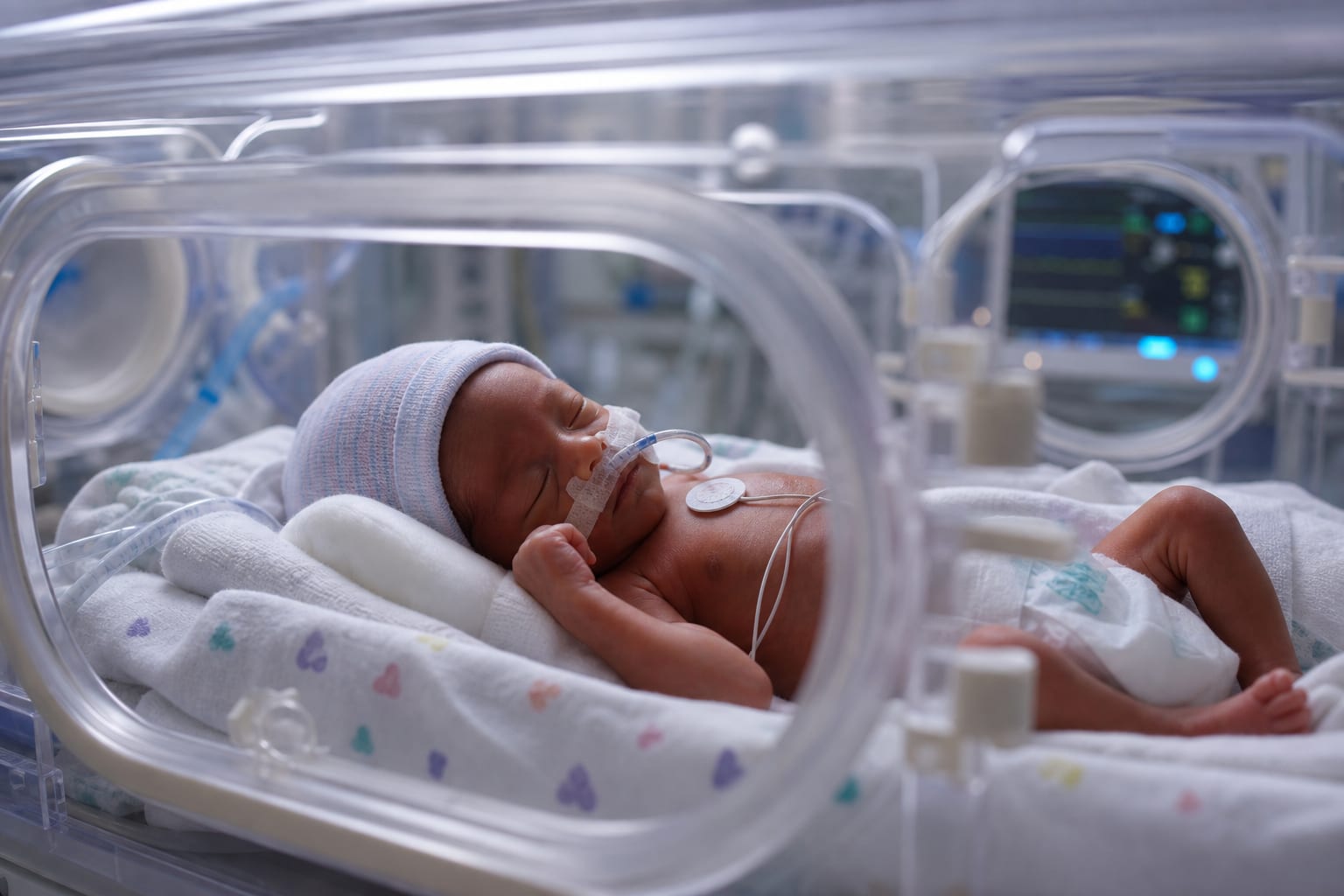
This study investigates the association between maternal early-onset preeclampsia (EOPE) and feeding intolerance (FI) in very preterm infants. Findings indicate that EOPE-exposed infants have a significantly higher incidence of FI and prolonged time to full enteral feeding compared to controls.
Background
Early-onset preeclampsia is a significant pregnancy complication that can affect fetal development and outcomes. Very preterm infants are particularly vulnerable to gastrointestinal complications, including feeding intolerance, which can lead to prolonged hospitalization and adverse long-term outcomes.
Data Highlights
Outcome
EOPE Group
Control Group
P-value
Feeding Intolerance
77.0%
41.4%
< 0.001
Time to Full Enteral Feeding (days)
13.0
9.5
0.017
Key Findings
EOPE-exposed infants had a higher incidence of feeding intolerance (77.0% vs. 41.4%, P < 0.001).
Time to full enteral feeding was longer in EOPE-exposed infants (13.0 days vs. 9.5 days, P = 0.017).
EOPE was identified as an independent risk factor for feeding intolerance (OR=2.290, P = 0.035).
Lower birth weight was also associated with increased risk of feeding intolerance.
Feeding intolerance is correlated with adverse neurodevelopmental outcomes in preterm infants.
Clinical Implications
Clinicians should monitor feeding tolerance closely in very preterm infants, particularly those exposed to early-onset preeclampsia. Enhanced nutritional support strategies may be necessary to address the increased risk of feeding intolerance in this population.
Conclusion
Maternal early-onset preeclampsia is associated with a higher risk of feeding intolerance in very preterm infants.