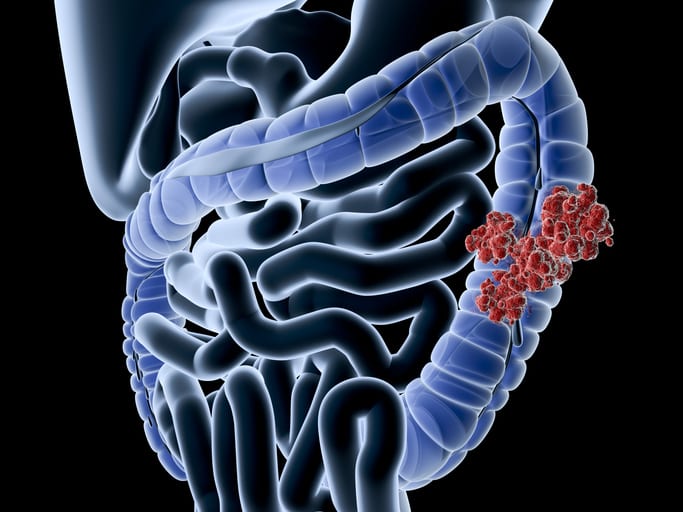
Rising Early-Onset Cancers Challenge Current Research and Prevention Approaches
Overview
Early-onset cancers, particularly colorectal cancer in men under 50, are increasing globally and expose significant gaps in current cancer research infrastructure. Existing epidemiologic tools and datasets inadequately capture life-course exposures critical to understanding and preventing these cancers.
Background
Colorectal cancer has become the leading cause of cancer death among men under 50 in the US, signaling a shift in cancer risk patterns. Across 42 countries, six cancer types show rising incidence in adults under 50, with annual increases ranging from 0.8% to 3.6% between 2003 and 2017. These trends suggest that environmental and behavioral exposures accumulated from early life contribute to risk, but current research methods and data collection largely overlook early-life factors. Most cohorts start in midlife, and health records rarely include childhood or adolescent exposures, leaving the first decades of life largely invisible in cancer research.
Data Highlights
Metric
Value
Countries reporting rising early-onset cancer incidence
42
Percentage reporting increase in 6 cancer types under 50
75%
Average annual incidence increase (2003-2017)
0.8% to 3.6%
Attributable cancers to established modifiable causes
30% to 45%
Estimated preventable cancers in theory
75% to 80%
Key Findings
Colorectal cancer is now the leading cause of cancer death in US men under 50.
Early-onset cancer incidence is rising globally across multiple cancer types in adults under 50.
Current epidemiologic cohorts and health records inadequately capture early-life exposures critical to understanding cancer risk.
Only 30% to 45% of cancers are currently attributable to known modifiable causes despite theoretical preventability of 75% to 80%.
New frameworks proposed include tissue ecosystem–anchored cause discovery, biological state–based risk prediction, and dynamic preventability estimation.
Barriers to progress include low incidence in young populations, fragmented data systems, privacy concerns, and limitations of AI risk models in low-incidence groups.
Clinical Implications
Clinicians should recognize that early-onset cancers are not simply younger versions of midlife cancers but involve distinct life-course exposures and risk trajectories. Improved data collection capturing early-life environmental and behavioral factors is essential for better risk prediction and prevention strategies. Integrating existing cohorts, health records, and biobanks into harmonized systems may enhance understanding and guide targeted interventions.
Conclusion
Rising early-onset cancers highlight critical limitations in current research infrastructure and epidemiologic tools. Addressing these gaps by adopting life-course approaches and building connected data systems is essential to advance cancer etiology research and prevention in younger adults.
References
Shi, Cao et al. 2024 -- Cancer Is Coming for Younger Adults — and the Field Isn’t Ready
Patients with preoperative vitamin D deficiency had higher postoperative pain scores and opioid use after mastectomy, including more than triple the odds of moderate to severe pain within 24 hours of surgery.
Junior pathologists showed higher mitotic score accuracy and agreement with artificial intelligence assistance in a preliminary single-center reader study