Integrative mechanisms and intervention targets of the microbiota–gut–brain axis in depressive disorders: advances across immune, endocrine, and central nervous system pathways - Report - MDSpire
Advertisement
Integrative mechanisms and intervention targets of the microbiota–gut–brain axis in depressive disorders: advances across immune, endocrine, and central nervous system pathways
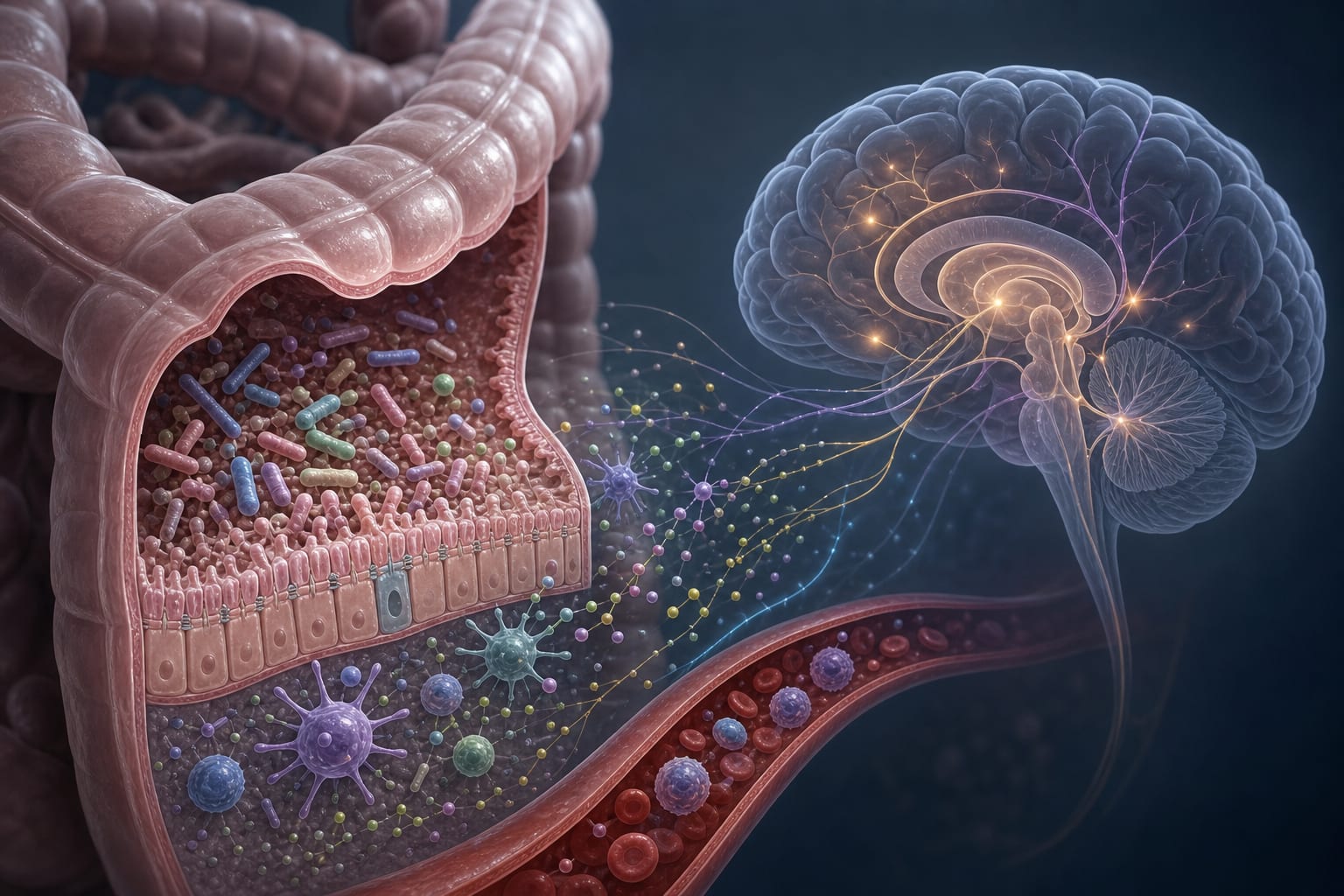
Clinical Report: Mechanisms of Integration and Potential Intervention Points in the Microbiota-Gut-Brain Axis Related to Depressive Disorders
Overview
This review highlights the microbiota-gut-brain axis (MGBA) as a significant integrative framework for understanding depressive disorders. It emphasizes the role of gut microbial dysbiosis and systemic inflammation in the onset and progression of these disorders, while discussing potential interventions such as dietary modifications and psychobiotics.
Background
Depressive disorders are a leading cause of global mental health burden, characterized by a range of symptoms beyond mood disturbances, including cognitive and gastrointestinal issues. The MGBA provides a comprehensive framework that links gut health with mood regulation and metabolic processes, suggesting that interventions targeting this axis may offer new therapeutic avenues. Understanding the complex interactions within the MGBA is crucial for developing effective treatment strategies for heterogeneous depressive disorders.
Data Highlights
No numerical data or trial data presented in the article.
Key Findings
The MGBA is increasingly recognized as a critical factor in the pathophysiology of depressive disorders.
Depletion of short-chain fatty acid-producing bacteria and enrichment of pro-inflammatory taxa are associated with depressive symptoms.
Interventions such as dietary changes, psychobiotics, and fecal microbiota transplantation show potential but have limited effect sizes.
Patients with gastrointestinal symptoms or low-grade inflammation may benefit most from MGBA-targeted therapies.
Future research should focus on phenotype-based stratification and functional integration of microbiota-targeted interventions.
Clinical Implications
Clinicians should consider the role of gut health and microbiota in patients with depressive disorders, particularly those with gastrointestinal or metabolic comorbidities. While microbiota-targeted therapies are still investigational, they may represent a promising adjunct to traditional treatments for select patient populations.
Conclusion
The MGBA offers a promising framework for understanding and potentially treating depressive disorders, though further research is needed to clarify its clinical applications and effectiveness.