Clinical Report: Envbiotics: An Innovative Approach to Microbiota-Directed Therapeutic Interventions for Type 2 Diabetes Mellitus
Background
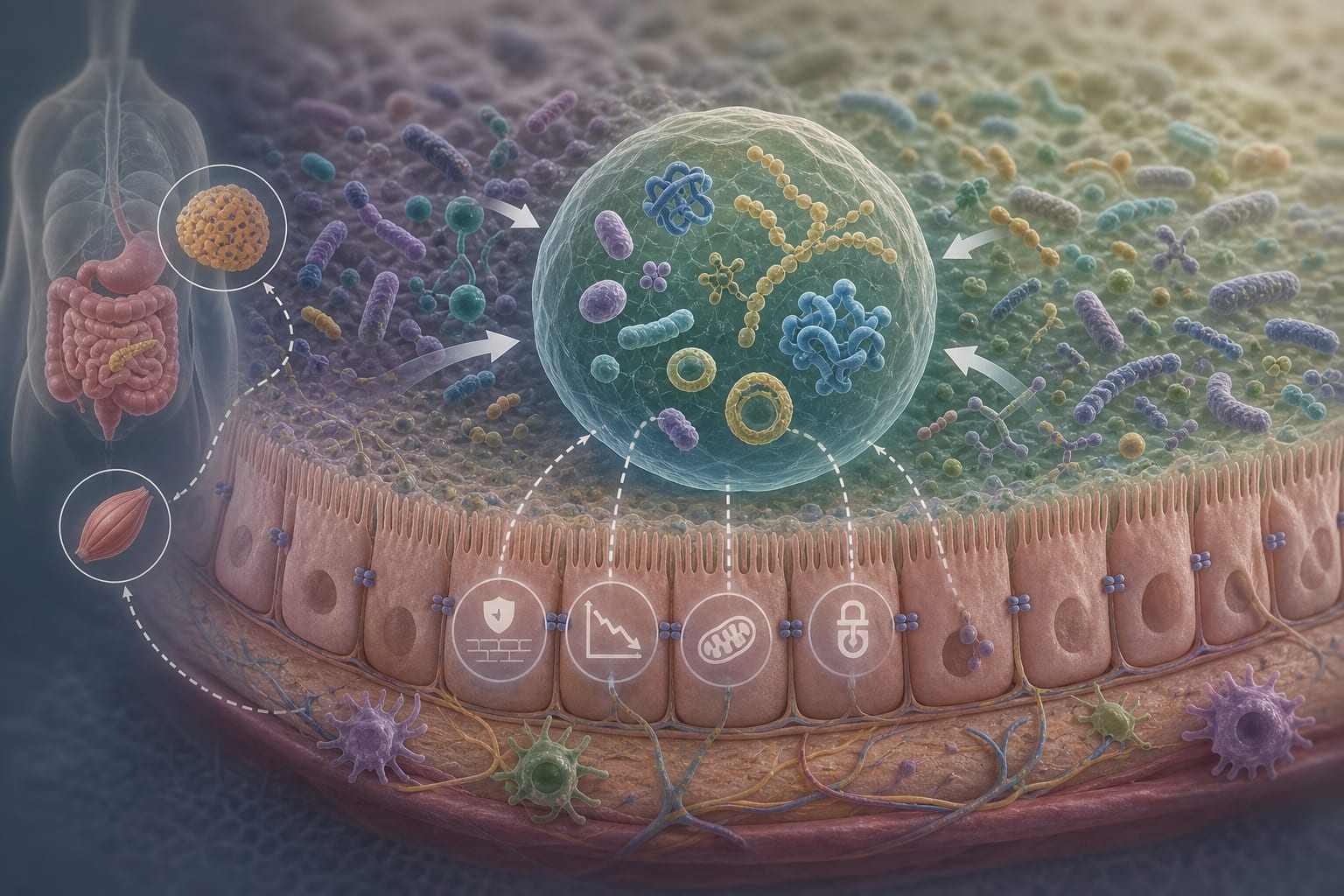
The gut microbiota significantly influences metabolic homeostasis, and its imbalance is linked to insulin resistance in type 2 diabetes mellitus (T2DM). Traditional microbiota-targeted therapies, such as probiotics and fecal microbiota transplantation, have limitations that may hinder their effectiveness in T2DM management. Understanding new therapeutic strategies like Envbiotics could provide insights into managing this condition.
Data Highlights
No numerical data or trial data presented in the article.
Key Findings
Envbiotics are defined as substances that target the host and optimize the intestinal microenvironment.
Current microbiota-targeted therapies focus on direct microbial introduction or nutritional support, which have conceptual limitations.
Envbiotics can improve host metabolism and health by regulating the gut microbiota structure and function in a non-nutritional manner.
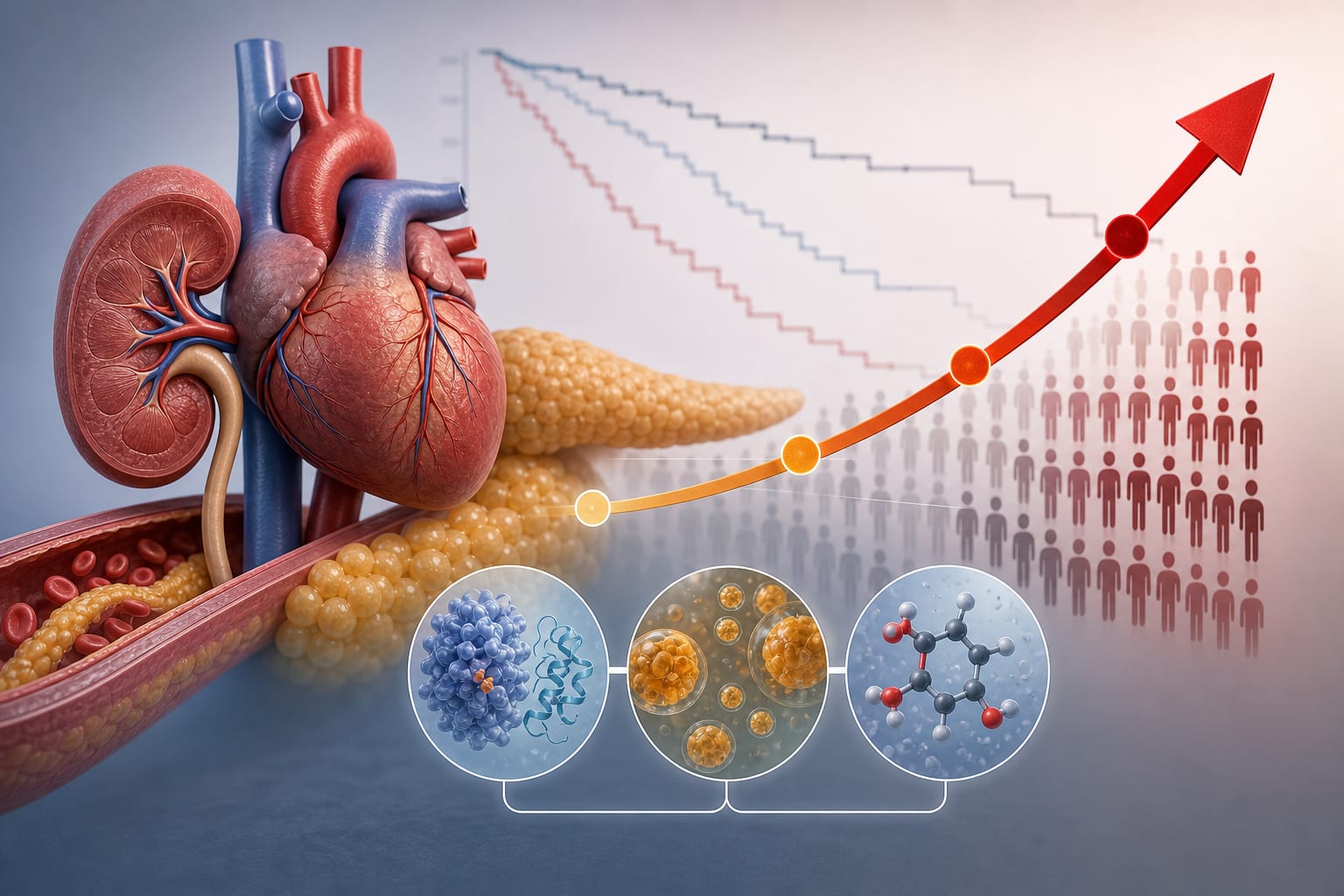
Examples of Envbiotics include berberine, urolithin A, and plant exosomes.
Envbiotics may fill gaps in existing therapeutic classifications for T2DM.
Clinical Implications
The introduction of Envbiotics may offer a new avenue for therapeutic interventions in T2DM, focusing on host-targeted mechanisms.
Conclusion
Envbiotics represent an innovative concept in the field of microbiota-directed therapies for T2DM. Further research is needed to validate their efficacy and application in clinical settings.