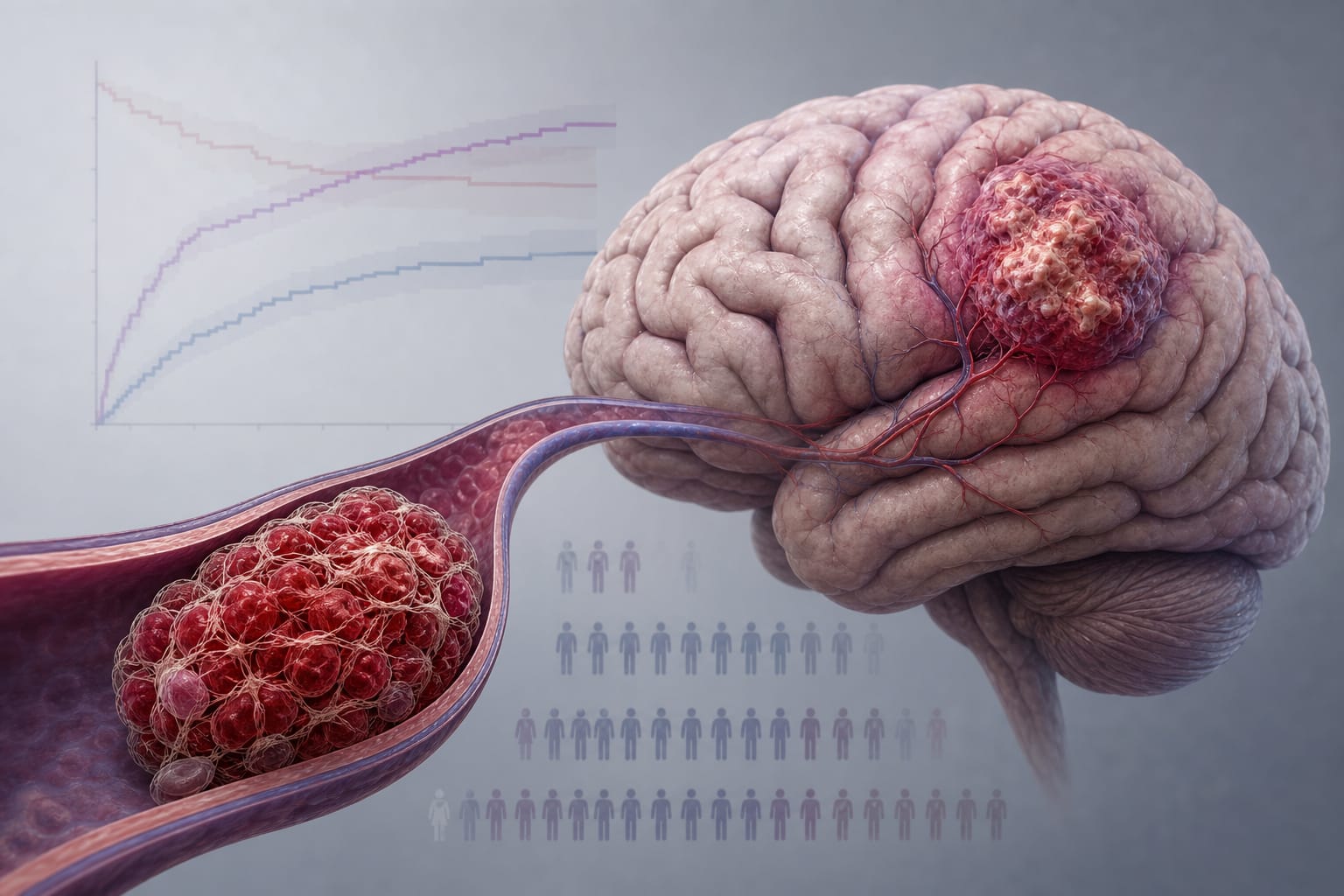
Factors Influencing 90-Day Readmission After Pediatric Craniotomy for Tumor
Overview
This study analyzed 1,498 pediatric craniotomy cases for tumor resection to identify factors associated with 90-day hospital readmission. Key findings include that postoperative events, tumor grade, and patient age significantly influence readmission risk.
Background
Hospital readmission rates have become a critical quality metric since the Affordable Care Act, with financial penalties for high rates. Neurosurgical procedures, particularly craniotomies for tumor removal, have higher readmission rates compared to other specialties. While adult data on readmission after craniotomy for brain tumors exist, pediatric-specific data are lacking. This study addresses this gap by examining factors influencing 90-day readmission in children and young adults undergoing elective craniotomy for tumor resection.
Data Highlights
Variable
Category
Readmission Rate
Odds Ratio (OR)
Adjusted OR (AOR)
Age Group
0-4 years
Higher readmission
Increased risk
Significant
Tumor Grade
High grade
Higher readmission
Increased risk
Significant
Postoperative Events (POE)
Presence of one or more
Markedly higher readmission
Strongly increased risk
Highly significant
Prior Craniotomy
Yes vs No
Variable impact
Reported
Analyzed
Discharge Disposition
Non-routine
Associated with readmission
Reported
Analyzed
Key Findings
Out of 1,498 pediatric craniotomies for tumor resection, 90-day readmission was significantly associated with postoperative events (POEs), especially unexpected complications.
Patients with high-grade tumors had a higher likelihood of readmission compared to those with low-grade tumors.
Age was a significant factor, with younger children (0-4 years) showing increased readmission rates.
Non-routine discharge dispositions correlated with increased readmission risk.
Prior craniotomy status and surgeon variability were recorded but less strongly associated with readmission.
Readmissions were often related to surgical site infections, neurological deficits, or seizure events postoperatively.
Clinical Implications
Clinicians should closely monitor pediatric patients with high-grade tumors and those experiencing postoperative events, as these factors markedly increase readmission risk. Early identification and management of complications may reduce readmission rates. Tailored discharge planning, especially for younger children and those with non-routine discharge needs, is essential to improve outcomes.
Conclusion
This study highlights key demographic and clinical factors influencing 90-day readmission after pediatric craniotomy for tumor resection. Targeted strategies addressing postoperative complications and high-risk patient groups may enhance care quality and reduce readmissions.
References
Patient Protection and Affordable Care Act (2010) -- Hospital Readmissions Reduction Program
Neurosurgical Readmission Studies (2010-2022) -- Readmission Rates and Risk Factors
Pediatric NSQIP Data (2015) -- Predictors of Readmission in Pediatric Neurosurgery
by Emal Lesha, David G. Laird, C. Stewart Nichols, L. Erin Miller, Taylor Orr, Jordan T. Roach, Christopher Troy, Brandy Vaughn, Nir Shimony, Paul Klimo Jr