Clinical Report: Rupture of the posterior capsule and total lens dislocation
Overview
Expand on the role of multimodal imaging and individualized surgical management.
Background
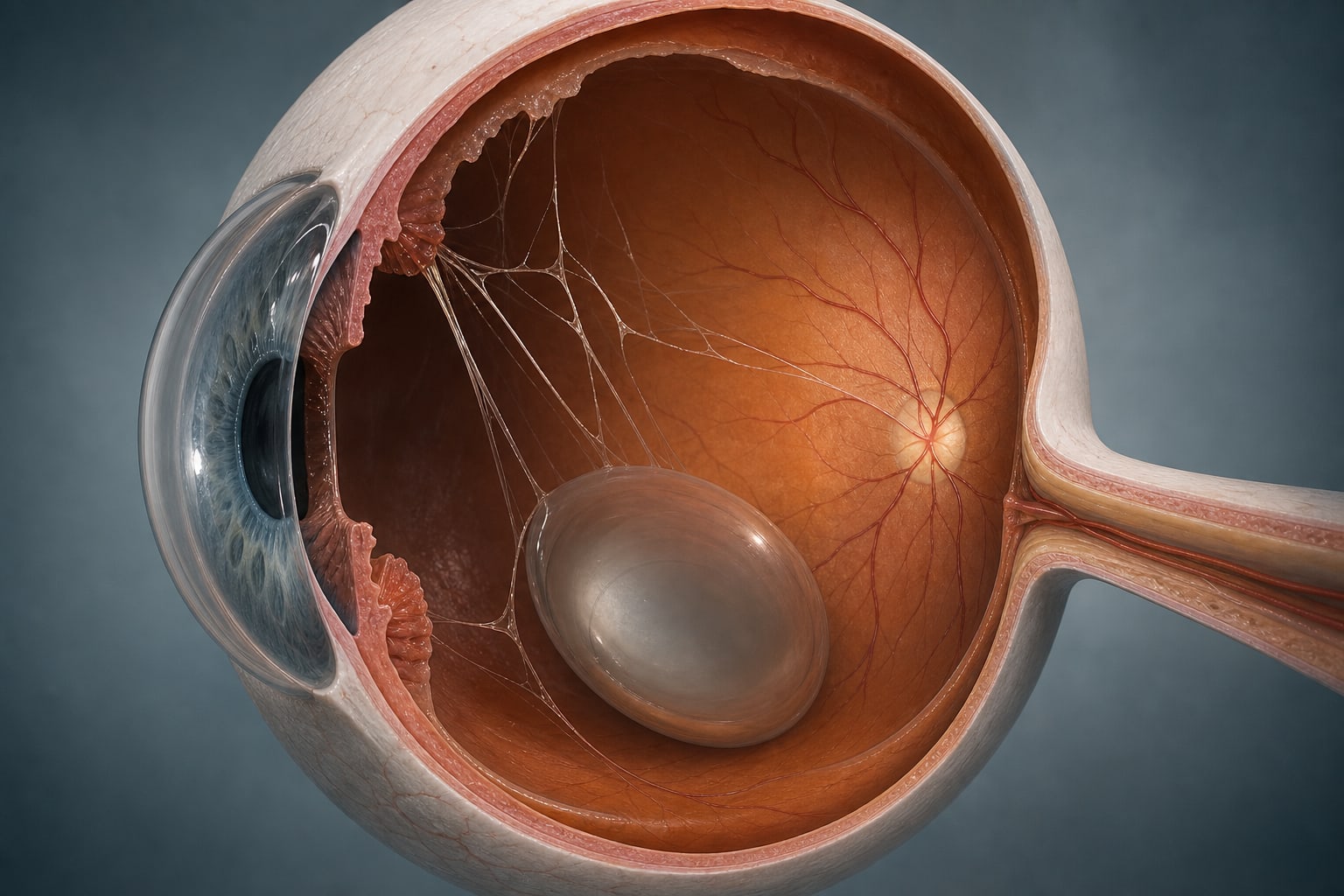
Blunt ocular trauma is a significant cause of visual impairment and blindness, with lens injuries presenting substantial diagnostic challenges. Complete posterior lens dislocation with an intact anterior capsule is particularly rare, necessitating careful evaluation and management. Understanding the mechanisms and treatment options for these injuries is crucial for improving patient outcomes.
Data Highlights
No numerical data or trial data was presented in the article.
Key Findings
Complete posterior lens dislocation is a rare condition often missed in clinical practice.
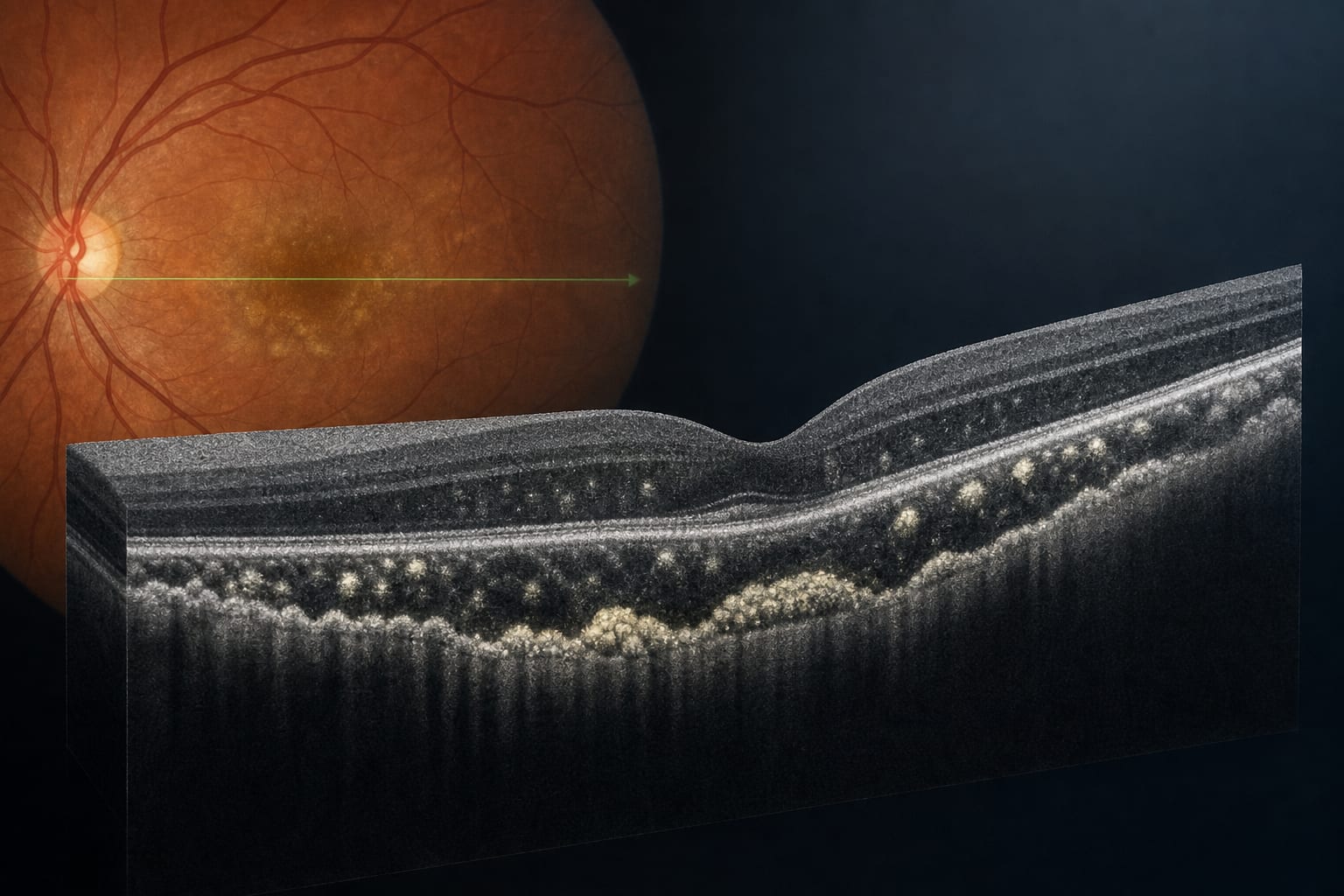
Multimodal imaging, including B-scan ultrasonography and AS-OCT, is essential for accurate diagnosis.
Pars plana vitrectomy combined with lensectomy is an effective surgical approach for managing this condition.
Postoperative visual acuity can improve significantly, with stable intraocular pressure and well-centered intraocular lens placement.
Special attention should be given to potential concomitant optic neuropathy in elderly patients following blunt trauma.
Clinical Implications
Healthcare professionals should maintain a high index of suspicion for posterior capsule rupture in cases of blunt ocular trauma, especially in elderly patients. Timely referral to ophthalmology and the use of multimodal imaging can facilitate accurate diagnosis and effective surgical intervention.
Conclusion
This case underscores the rarity of complete posterior lens dislocation and the importance of individualized surgical strategies. Continued awareness and education on this condition can enhance clinical management and patient outcomes.