The Impact of Metabolic Bariatric Surgery on Inflammatory Bowel Disease Risk and Outcomes in Adults With Obesity: a Propensity-matched, Nationwide, Analysis - Report - MDSpire
Clinical Report: Effects of Metabolic Bariatric Surgery on IBD Risk in Obese Adults
Overview
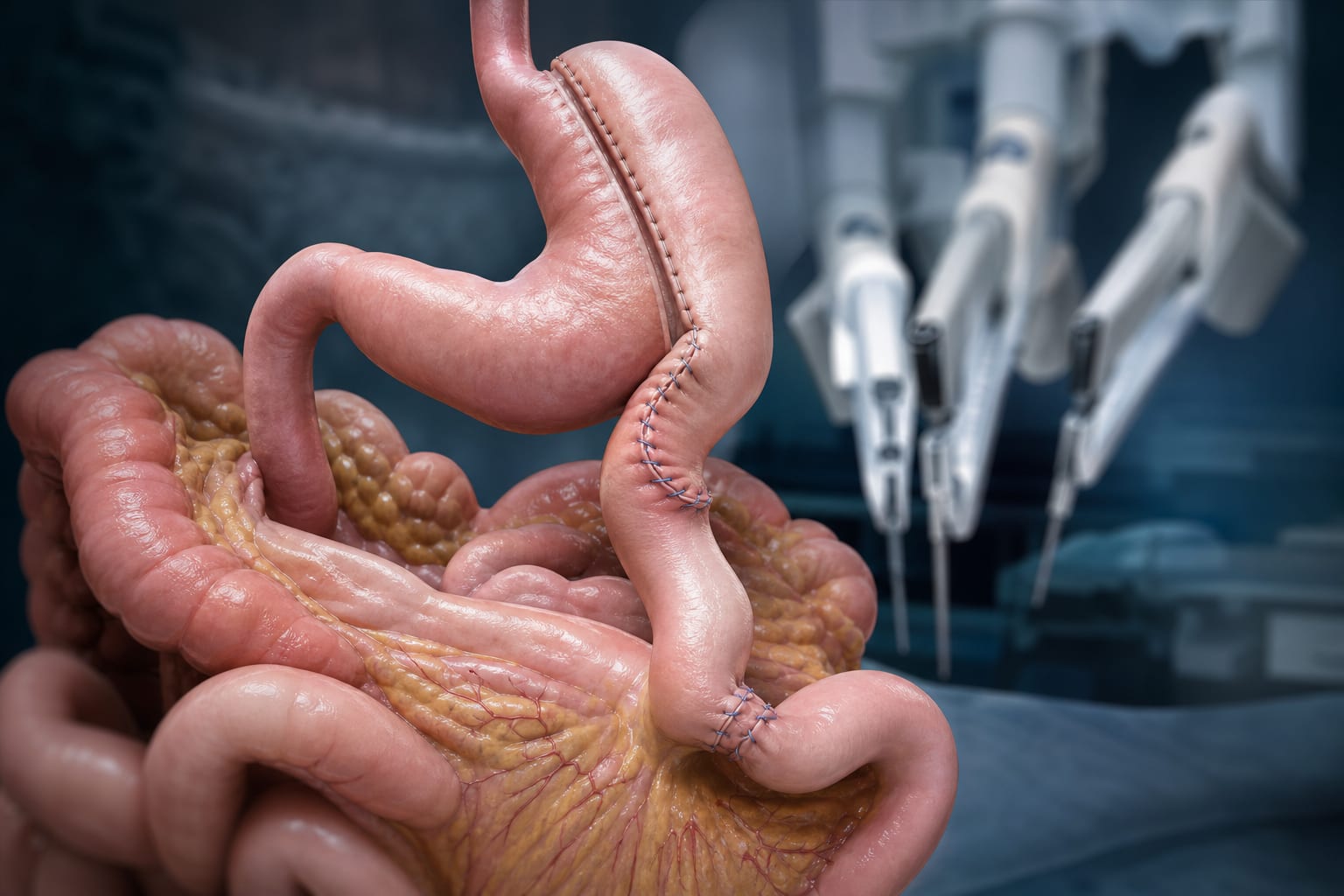
This study investigates the incidence of newly diagnosed inflammatory bowel disease (IBD) in obese adults undergoing metabolic bariatric surgery (MBS) compared to matched controls. Findings suggest that while MBS may lead to a higher incidence of de novo IBD, the disease course may be less severe in these patients.
Background
Obesity is a significant public health concern, with rising rates linked to various chronic diseases, including inflammatory bowel disease (IBD). Understanding the relationship between obesity, weight loss interventions like metabolic bariatric surgery, and IBD outcomes is critical for optimizing patient care. This study aims to clarify the impact of MBS on IBD risk and severity in patients with severe obesity.
Data Highlights
No numerical data available.
Key Findings
Patients with severe obesity undergoing MBS had a higher incidence of newly diagnosed IBD compared to matched controls.
IBD severity, as indicated by medication use, surgeries, and hospitalizations, was less in MBS patients than in controls.
Robust diagnostic criteria for IBD were employed to enhance the validity of findings.
Weight loss post-MBS may influence the timing and severity of IBD diagnosis.
Alterations in microbiome and dietary changes post-surgery may contribute to the observed IBD outcomes.
Clinical Implications
Healthcare providers should be aware of the increased risk of de novo IBD in patients undergoing MBS. Monitoring for IBD symptoms and implementing appropriate management strategies post-surgery is essential to optimize patient outcomes.
Conclusion
The findings highlight the complex relationship between metabolic bariatric surgery and inflammatory bowel disease, suggesting a need for careful patient selection and follow-up in this population.