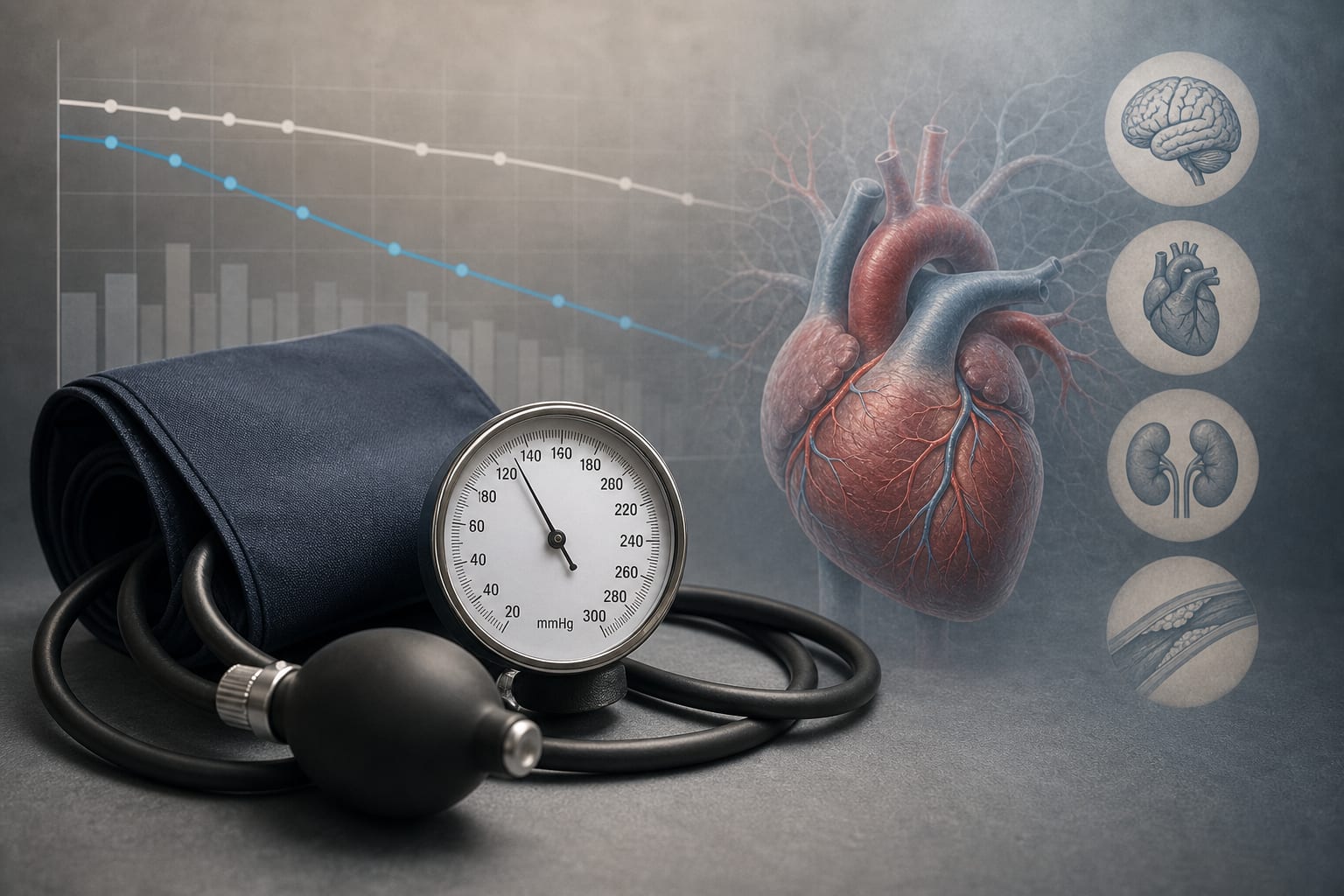
Reinforcement learning driven edge–cloud coordination for secure and energy efficient IoMT - Report - MDSpire

Reinforcement learning driven edge–cloud coordination for secure and energy efficient IoMT

  • By

  • Santhos Kumar Sasikumar

  • Tarun Vinod Pai

  • Kumaran Kalidasan

  • Saranya Gajendran

  • June 19, 2026

  • 0 min

Share

Clinical Report: Edge-Cloud Collaboration Enhanced by Reinforcement Learning

Background

The Internet of Medical Things (IoMT) represents a significant advancement in healthcare, enabling continuous monitoring and proactive patient care. However, challenges such as data privacy, real-time processing, and energy efficiency remain critical due to the limitations of edge devices.

Data Highlights

The proposed system demonstrated a significant reduction in latency for critical alerts and improved battery life of IoT nodes to 8.5 days compared to conventional methods, as validated by experimental results.

Key Findings

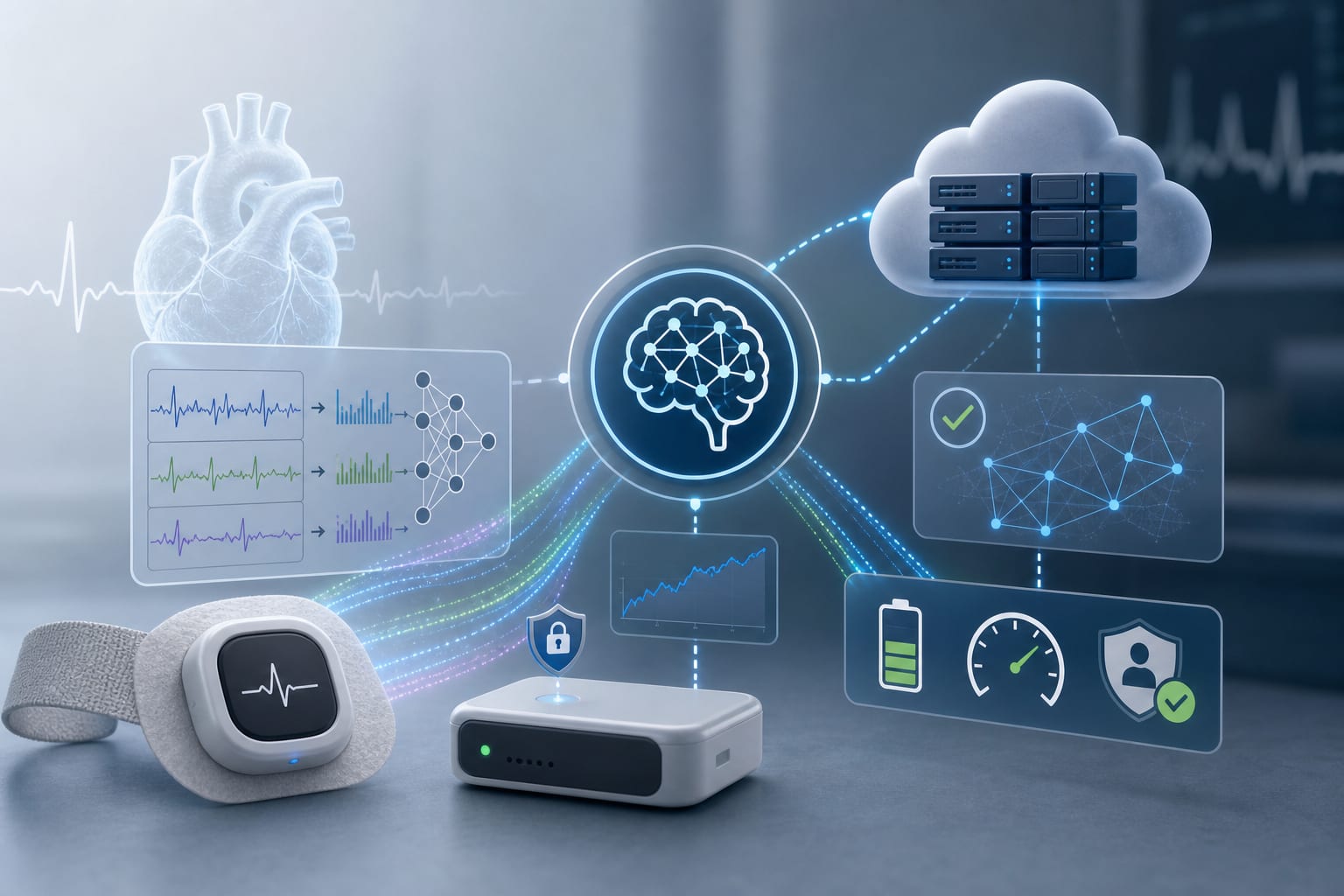
  • Federated Variational Mode Decomposition (VMD) ensures high-fidelity feature extraction while preserving data privacy.
  • A SparseBonsai neural network enables real-time classification of medical signals on resource-constrained sensor nodes.
  • A Proximal Policy Optimization (PPO) reinforcement learning agent optimizes data processing decisions based on severity, network conditions, and battery levels.
  • The advanced Sha-Dragon optimization algorithm enhances energy efficiency through effective resource and transmission power allocation.
  • Security is reinforced through a dual-layer approach using ASCON v1.2 and WireGuard VPN with ChaCha20-Poly1305 encryption.

Clinical Implications

The framework offers a solution for real-time healthcare monitoring while addressing issues of data privacy and energy efficiency.

Conclusion

The proposed hierarchical framework addresses the challenges of IoMT by enhancing security, energy efficiency, and real-time processing capabilities.
Related Resources & Content

  1. Int. Journal of Computer Assisted Radiology and Surgery, 2026 -- Safe and usable ensemble formation for networked medical devices: a comparative study of 5G, NFC and pop-up pairing
  2. Journal of Medical Internet Research (JMIR), 2026 -- Co-Lifecycle Governance for Learning Medical AI: A Hybrid Convergence Framework for Adaptive Regulatory Oversight
  3. Intensive Care Medicine, 2024 -- Enhanced Data Sharing and AI Model Advancement through Federated Learning in Intensive Care Settings
  4. Frontiers in Digital Health, 2026 -- Secure healthcare data management using federated learning, blockchain, and explainable artificial intelligence: a systematic review
  5. Diabetes Technology: Standards of Care in Diabetes—2026 | Diabetes Care | American Diabetes Association
  6. Telemonitoring modalities in heart failure: comparative effectiveness across the heart failure population—a meta-analysis | npj Digital Medicine
  7. Management of clinical issues detected through remote monitoring of cardiac implantable electronic devices: Recommendations from a Delphi Consensus process - ScienceDirect
  8. 7. Diabetes Technology: Standards of Care in Diabetes—2026 | Diabetes Care | American Diabetes Association
  9. Telemonitoring modalities in heart failure: comparative effectiveness across the heart failure population—a meta-analysis | npj Digital Medicine
  10. Management of clinical issues detected through remote monitoring of cardiac implantable electronic devices: Recommendations from a Delphi Consensus process - ScienceDirect

Original Source(s)

Related Content