As FDA misses deadline on electric shock ban, disability advocates speak out
-
By
-
O. Rose Broderick
-
June 1, 2026
-
0 min
Clinical Report: Disability Advocates Raise Concerns as FDA Misses Deadline
Overview
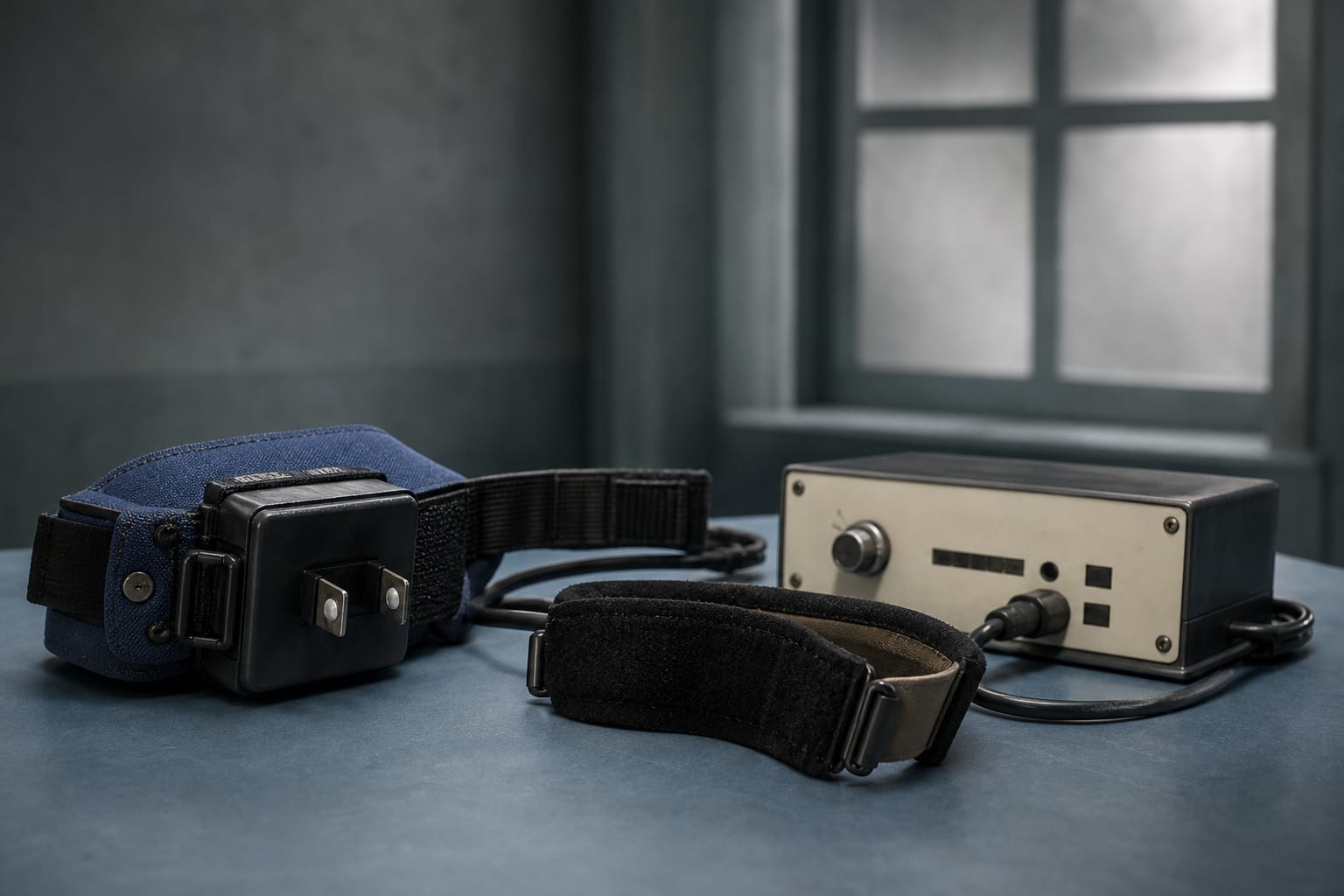
The FDA has failed to meet its deadline for a decision on banning electric shock devices used for self-injurious behavior in individuals with intellectual disabilities and autism. Disability advocates express concern over the continued use of these devices, which have been criticized as a form of torture.
Background
The use of electrical shock devices for managing self-injurious behavior has been a contentious issue, with significant opposition from disability rights advocates and medical professionals. Despite a decline in their use, these devices are still employed at the Judge Rotenberg Center in Massachusetts, raising ethical and clinical concerns. The FDA's delayed decision on regulation has left many advocates worried about the potential for continued harm to vulnerable populations.
Data Highlights
No numerical data available in the source material.
Key Findings
["The FDA's deadline for a decision on banning electric shock devices has passed without action.", 'Disability rights activists label the use of these devices as a form of torture.', 'Legal challenges against the use of shock therapy have persisted since 2013.', 'The Judge Rotenberg Center continues to use shock devices on some of its residents.', 'Advocates argue that the devices instill fear rather than promote genuine behavioral change.', 'Congress has provided the FDA with the authority to enact a ban, yet a final decision remains pending.']Clinical Implications
Healthcare professionals should be aware of the ethical implications surrounding the use of electric shock devices and consider alternative, evidence-based interventions for managing self-injurious behavior. The ongoing debate highlights the need for advocacy and policy change to protect individuals with disabilities from potentially harmful practices.
Conclusion
The FDA's inaction on regulating electric shock devices underscores the ongoing conflict between clinical practices and ethical standards in the treatment of individuals with disabilities. Continued advocacy is essential to ensure the safety and dignity of these vulnerable populations.
Related Resources & Content
- FDA Proposes New Ban of Electrical Stimulation Devices for Self-Injurious or Aggressive Behavior | FDA
- ADA News — HHS Office for Civil Rights extends compliance deadline for digital accessibility final rule to May 2027
- ADA News — HHS Office for Civil Rights extends compliance deadline for digital accessibility final rule to May 2027
- Associated Press Health — FDA's drug voucher program: House lawmaker raises new concerns
- ada news — ADA urges FDA to reconsider proposed pathway for flavored e-cigarette authorizations
- FDA Proposes New Ban of Electrical Stimulation Devices for Self-Injurious or Aggressive Behavior | FDA
- A Mega-Review of Functional Communication Training for Students With Disabilities in Educational Settings
- A network meta-analysis of randomised controlled trials of antipsychotic medications to assess their comparative efficacy and tolerability in autistic people | medRxiv
This content is an AI-generated, fully rewritten summary based on a published scholarly article. It does not reproduce the original text and is not a substitute for the original publication. Readers are encouraged to consult the source for full context, data, and methodology.