Group painting therapy for children and adolescents with bone tumors: a quasi-experimental trial evaluating anxiety, depression, post-traumatic growth, and health-related quality of life - Report - MDSpire
Advertisement
Group painting therapy for children and adolescents with bone tumors: a quasi-experimental trial evaluating anxiety, depression, post-traumatic growth, and health-related quality of life
Clinical Report: Effects of Structured Group Painting Therapy on Pediatric Patients
Overview
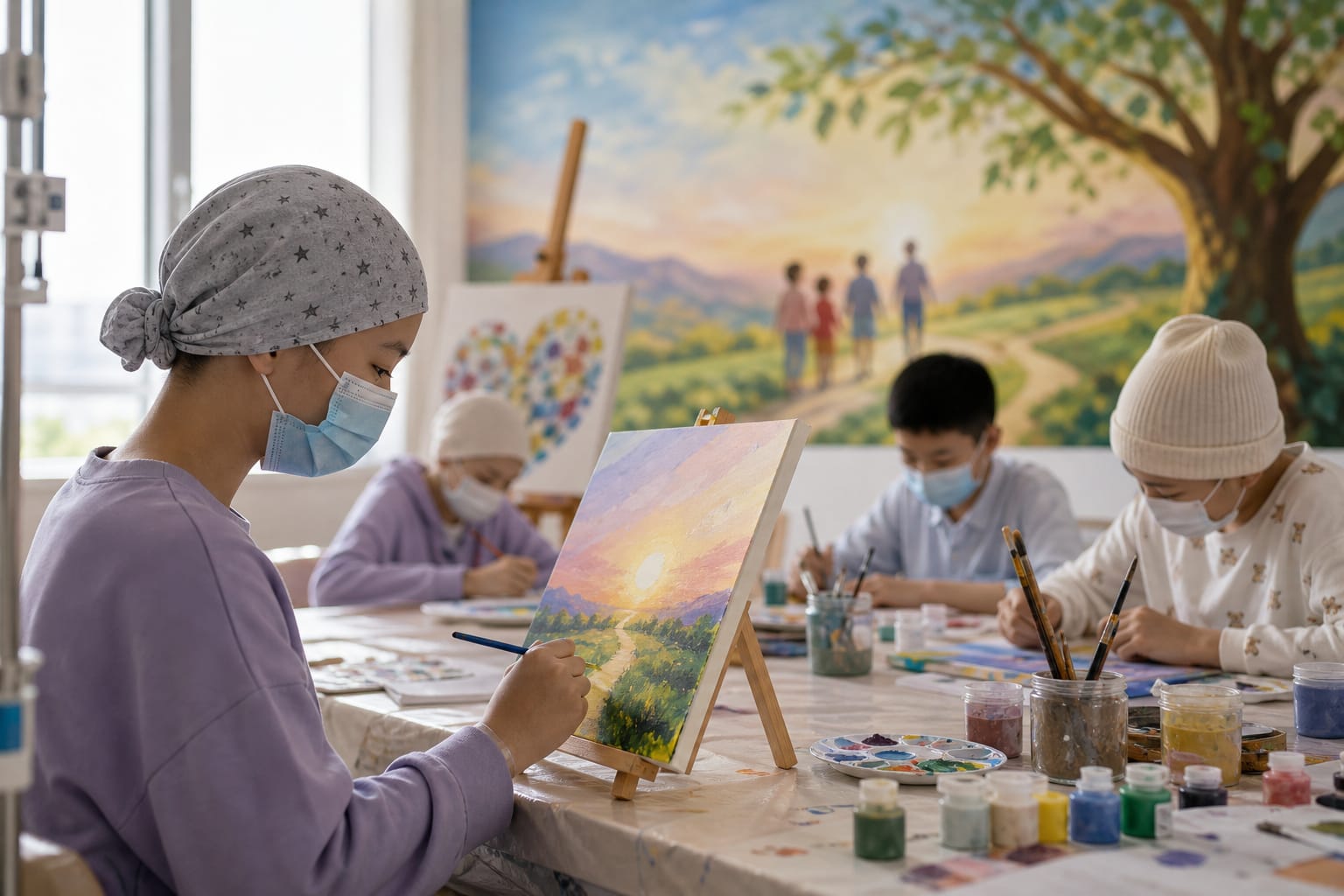
This study evaluated the impact of an eight-week structured group painting therapy program on anxiety, depression, post-traumatic growth (PTG), and health-related quality of life (HRQoL) in pediatric patients with malignant bone tumors. Results indicated significant improvements in emotional well-being and PTG among participants receiving the therapy compared to a control group.
Background
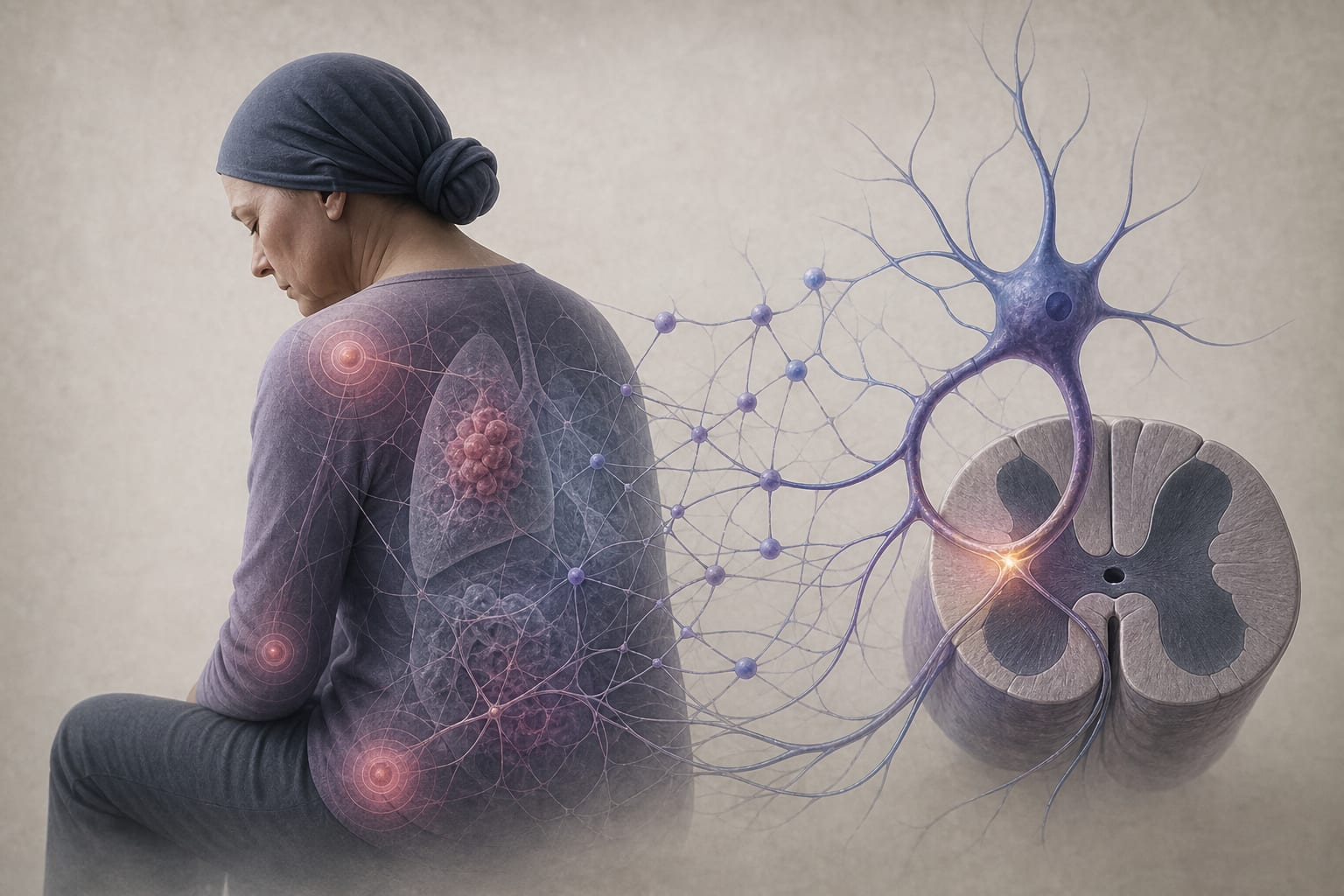
Children and adolescents with malignant bone tumors often experience significant psychological distress, including anxiety and depression, which can adversely affect their health-related quality of life. Despite the importance of addressing these psychological challenges, systematic psychosocial interventions in pediatric oncology are limited. This study explores the potential of group painting therapy as a non-pharmacological approach to support emotional well-being in this vulnerable population.
Data Highlights
Measure
Intervention Group (n=39)
Control Group (n=37)
Anxiety Reduction
Significant Improvement
No Significant Change
Depressive Symptoms
Significant Improvement
No Significant Change
Post-Traumatic Growth
Significant Improvement
No Significant Change
HRQoL Emotional Functioning
Improved
No Change
HRQoL Social Communication
Improved
No Change
Key Findings
The intervention group showed greater reductions in anxiety and depressive symptoms compared to the control group.
Significant improvements in post-traumatic growth were observed in the intervention group.
Selected domains of health-related quality of life, including emotional functioning and social communication, improved in the intervention group.
No significant differences were found between groups in physical symptom domains such as pain and nausea.
Group painting therapy may serve as a promising adjunct to routine pediatric oncology care.
Clinical Implications
The findings suggest that structured group painting therapy can be an effective non-pharmacological intervention to enhance emotional well-being and promote resilience in pediatric patients with bone tumors. Incorporating such therapies into standard care may help address the psychological challenges faced by these patients.
Conclusion
Group painting therapy is associated with significant improvements in emotional well-being and post-traumatic growth among children and adolescents with primary bone tumors. These results highlight the potential benefits of integrating creative therapies into pediatric oncology care.