Chronobiology in Dermatology: Exploring the Role of Circadian Rhythms in Skin Health and Treatment
-
By
-
Diala Haykal
-
September 7, 2026
Clinical Report: Chronobiology in Dermatology and Skin Health
Background
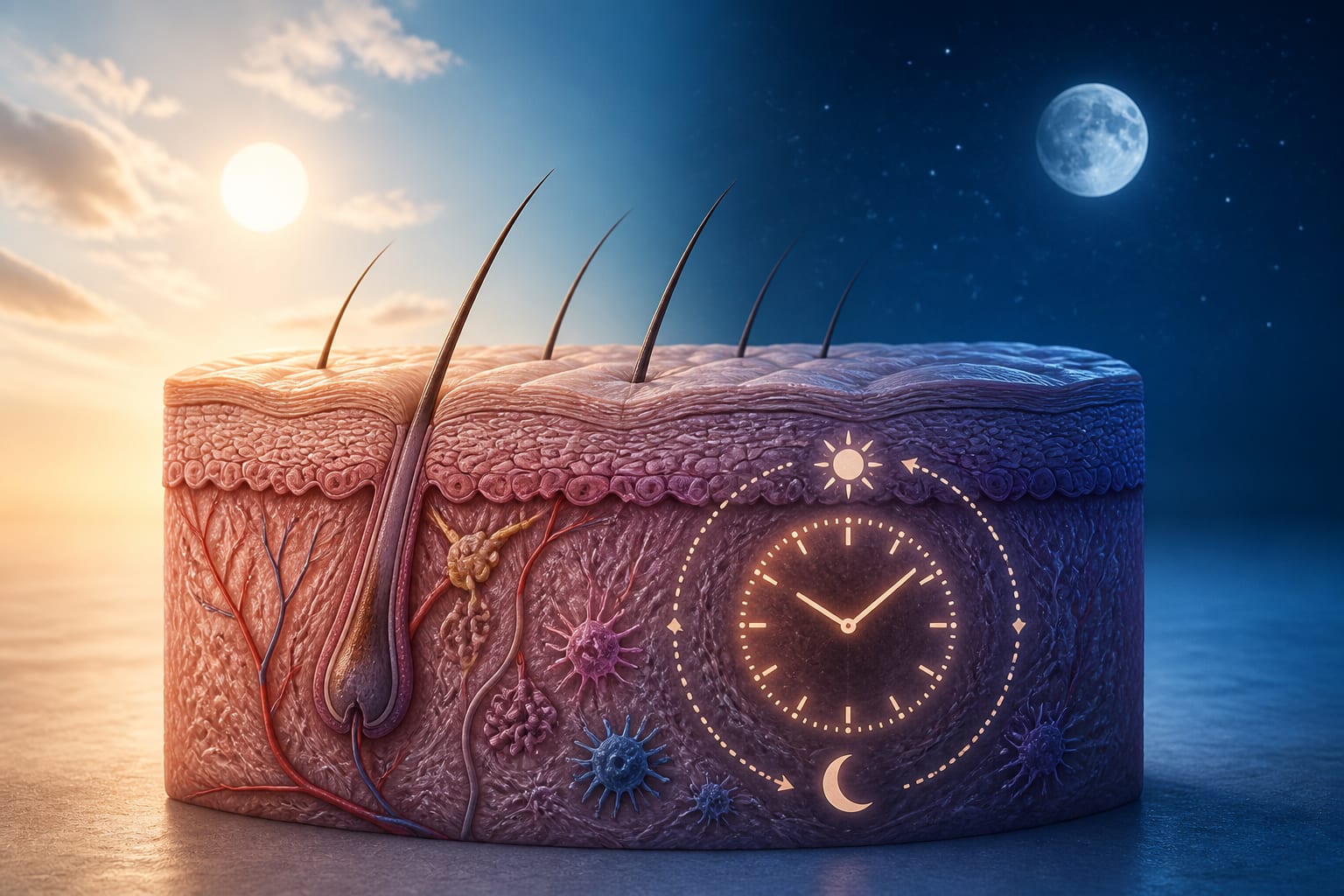
Circadian rhythms significantly influence skin physiology, affecting processes such as epidermal turnover, immune responses, and DNA repair. Disruptions in these rhythms can lead to the worsening of conditions like melanoma, atopic dermatitis, and psoriasis.
Data Highlights
No numerical data or trial data presented in the article.
Key Findings
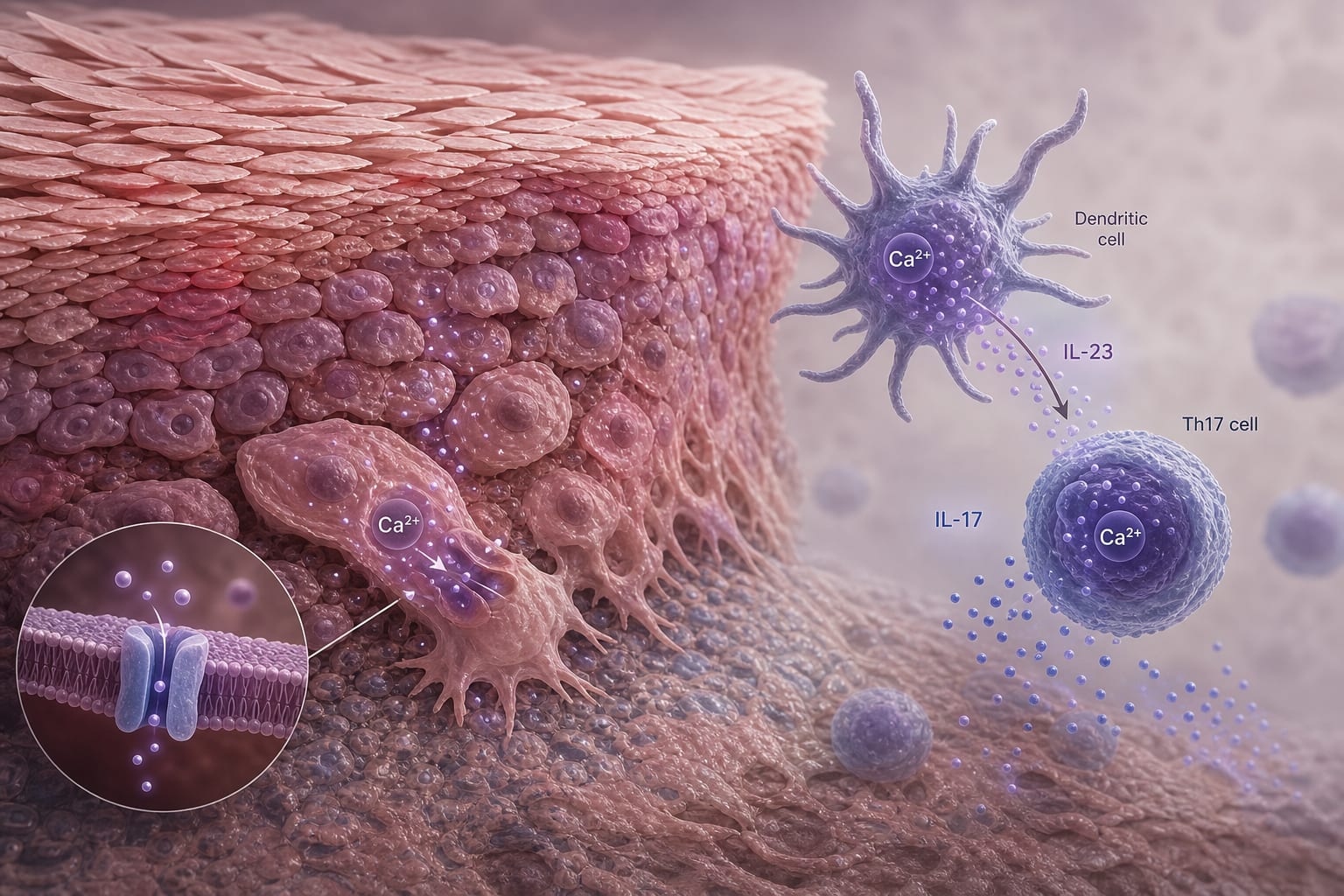
- Circadian rhythms regulate key skin functions, including cell proliferation and immune response.
- Disruptions in circadian rhythms can worsen dermatological conditions such as melanoma and atopic dermatitis.
- Chronodermatology is emerging as a precision-medicine framework.
- Advancements in chronopharmacology may lead to personalized dermatological interventions based on circadian biology.
- Clinical trials are needed to validate chrono-therapeutic strategies in dermatology.
Clinical Implications
Healthcare professionals should consider the impact of circadian rhythms on skin health and disease management. Personalized evaluations of skin clock function may enhance treatment outcomes in dermatological practice.
Conclusion
Integrating circadian biology into dermatological care could lead to more effective, personalized treatment strategies for skin disorders.
Related Resources & Content
- Frontiers in Immunology, 2026 -- Aligning Immune Responses with Temporal Patterns: Exploring the Promise of Chrono-Immunotherapy in Oncology
- Frontiers in Immunology, 2026 -- Circadian control of immune homeostasis in cardiovascular health and disease
- Frontiers in Immunology, 2026 -- Circadian rhythms in the tumor microenvironment: spatiotemporal immune regulation and chronotherapeutic opportunities
- Endocrine Reviews -- The Chronobiology of Hormone Administration: “Doctor, What Time Should I Take My Medication?”
- European S2k Guideline on Chronic Pruritus: In cooperation with the European Dermatology Forum (EDF) | Acta Dermato-Venereologica
- Melatonin Supplementation in Adult Patients With Atopic Dermatitis: A Randomized Clinical Trial - Heidari - 2026 - Journal of Pineal Research
- Circadian Time Effects on NB-UVB-Induced Erythema in Human Skin In Vivo - PubMed
- European S2k Guideline on Chronic Pruritus: In cooperation with the European Dermatology Forum (EDF) | Acta Dermato-Venereologica
- Melatonin Supplementation in Adult Patients With Atopic Dermatitis: A Randomized Clinical Trial - Heidari - 2026 - Journal of Pineal Research - Wiley Online Library
- Circadian Time Effects on NB-UVB-Induced Erythema in Human Skin In Vivo - PubMed
Based on findings from:
The Circadian Skin: Chronobiology as a New Frontier in Dermatological Therapy
Diala Haykal. Dermatology And Therapy, 2026.
https://link.springer.com/article/10.1007/s13555-026-01908-6
This content is an AI-generated, fully rewritten summary based on a published scholarly article. It does not reproduce the original text and is not a substitute for the original publication. Readers are encouraged to consult the source for full context, data, and methodology.