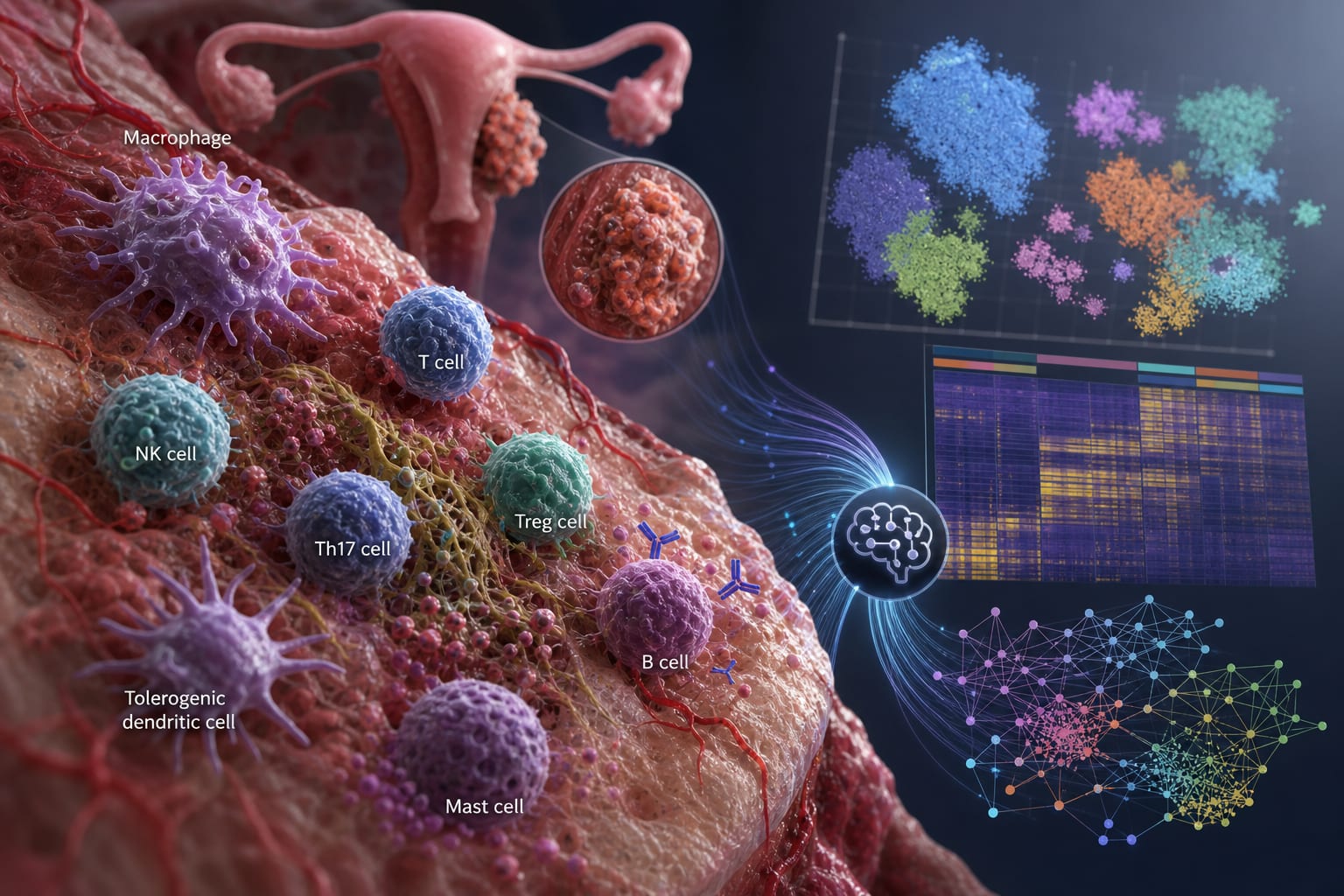
Clinical Report: Endometriotic Cyst Resembling Tumor Recurrence Following Treatment
Overview
This case study discusses a 23-year-old woman with a history of ovarian immature teratoma who developed an adnexal mass during follow-up. The mass was managed conservatively with GnRH-a therapy, resulting in significant reduction and preservation of ovarian function.
Background
Endometriosis is a prevalent condition among reproductive-age women, with a notable incidence in those facing fertility challenges. The differentiation between tumor recurrence and benign lesions like endometriotic cysts is crucial, particularly in young patients who have undergone treatment for malignant ovarian tumors. Misdiagnosis can lead to unnecessary surgical interventions that may compromise fertility.
Data Highlights
No numerical data or trial data presented in the article.
Key Findings
A 23-year-old woman with ovarian immature teratoma developed a left adnexal mass during follow-up.
Imaging suggested a hemorrhagic endometriotic cyst, while tumor markers remained normal.
A trial of GnRH-a therapy led to a significant decrease in the mass size from 5.7×4.5cm to 1.4×0.9cm.
At one-year follow-up, the patient maintained regular menstrual cycles and preserved ovarian reserve (AMH >2ng/mL).
This case highlights the potential for hormonal therapy as an alternative to surgery in selected patients.
Clinical Implications
The case illustrates the importance of careful monitoring and individualized management strategies in young women with a history of ovarian malignancy. Hormonal therapy may be a viable option to avoid surgery while preserving fertility in cases of suspected endometriotic cysts.
Conclusion
This case underscores the need for a thorough diagnostic approach and consideration of conservative management options in young patients with adnexal masses post-treatment for ovarian tumors.