SARS-CoV-2 During Pregnancy—Emerging Evidence of Uncommon Complications
-
By
-
George L. Anesi
-
Arturo Casadevall
-
May 7, 2026
Clinical Report: SARS-CoV-2 During Pregnancy—Emerging Evidence of Uncommon Complications
Overview
Revise to emphasize the lack of statistical significance and its implications for vaccination strategies.
Background
Expand on the inconclusive evidence regarding congenital anomalies and the biological plausibility.
Data Highlights
| Outcome | Maternal SARS-CoV-2 Cohort | Uninfected Cohort | Rate Ratio (95% CI) |
|---|---|---|---|
| Any Congenital Anomaly | 32.5 per 1000 live births | 31.1 per 1000 live births | 1.04 (0.87-1.24) |
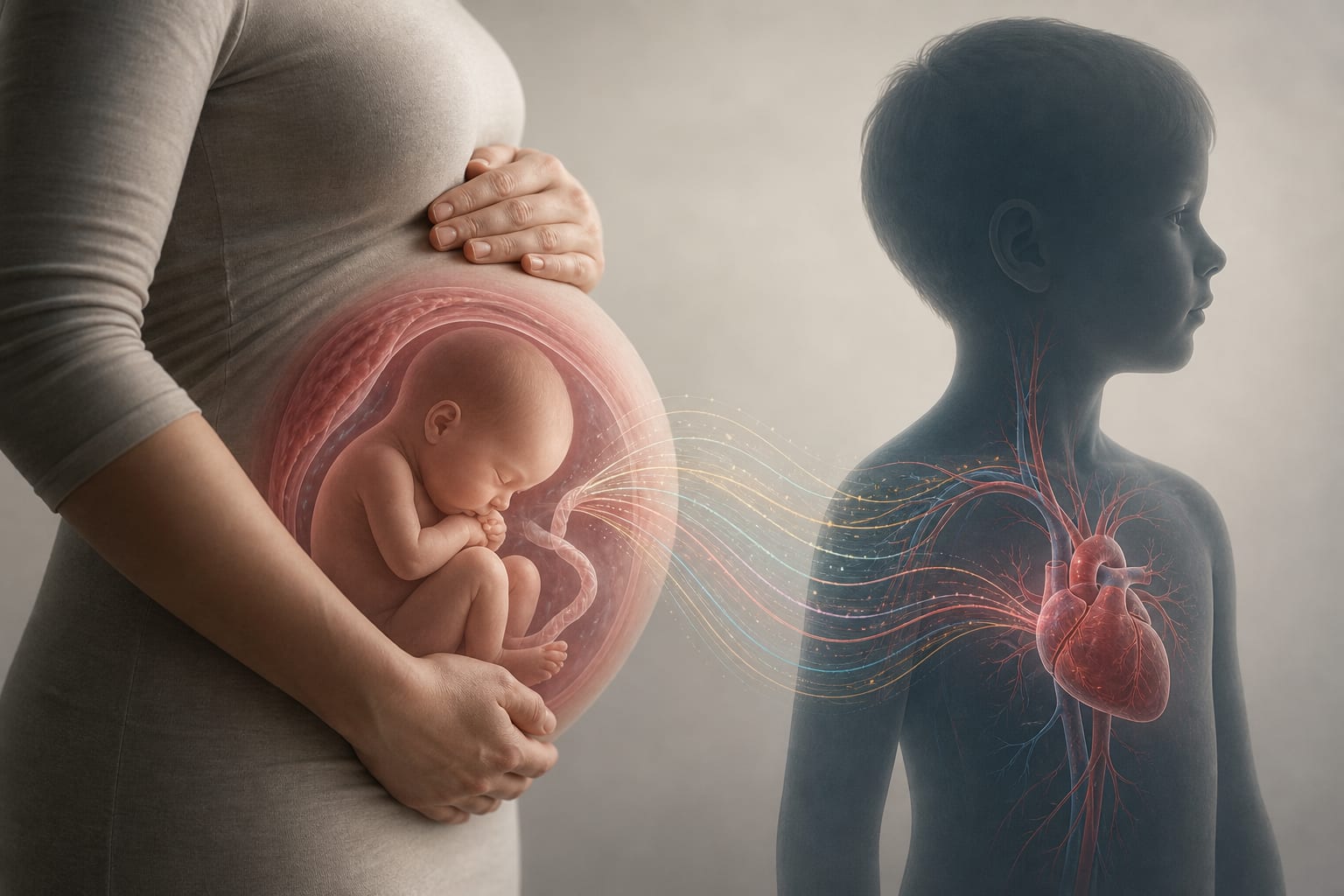
| Cardiac Anomalies | 10.7 per 1000 live births | 8.8 per 1000 live births | 1.22 (0.88-1.66) |
Key Findings
- 1.4 additional congenital anomalies per 1000 live births were observed in the maternal SARS-CoV-2 infection cohort.
- The rate ratio for any congenital anomaly was 1.04, indicating no statistical significance.
- Cardiac anomalies were reported at a rate of 10.7 per 1000 live births in the infected cohort versus 8.8 in the uninfected cohort.
- The study utilized a large, diverse population sample from Ontario, Canada.
- Exclusion of stillbirths may bias results toward the null regarding congenital anomalies.
- Statistical significance was not achieved despite trends suggesting potential harm associated with maternal SARS-CoV-2 infection.
Clinical Implications
Healthcare providers should remain vigilant regarding the potential risks associated with maternal SARS-CoV-2 infection, particularly concerning congenital anomalies. Vaccination against COVID-19 in pregnant individuals is strongly recommended to mitigate risks of severe illness and potential adverse outcomes. Clinicians should also consider the implications of asymptomatic infections when interpreting study results.
Conclusion
Strengthen the call for ongoing research and careful interpretation of the findings.
Related Resources & Content
- Snelgrove et al., JAMA Network Open, 2023 -- SARS-CoV-2 Infection and Rates of Neonatal Congenital Anomalies
- Kularni et al., Infection, 2023 -- Intrauterine Transmission of SARS-CoV-2 During Delta Variant Surge: An Initial Report from Australia
- Maternal Immunization, The Journal of Infectious Diseases, 2023
- Immunity Response to SARS-CoV-2 in Pregnant Women, Infection, 2023
- ACOG, COVID-19, 2026
- CDC, Clinical Considerations for Special Populations, 2026
- ACOG COVID-19 Recommendations
- CDC Clinical Considerations for COVID-19
- SARS-CoV-2 Placentitis: A Review of Pathologic Findings and Discussion of Differential Diagnosis - PubMed
Based on findings from:
SARS-CoV-2 in Pregnancy—More Hints of Rare Complications
George L. Anesi, Arturo Casadevall. Jama Network Open, 2026.
https://jamanetwork.com/journals/jamanetworkopen/fullarticle/2848759
This content is an AI-generated, fully rewritten summary based on a published scholarly article. It does not reproduce the original text and is not a substitute for the original publication. Readers are encouraged to consult the source for full context, data, and methodology.