Lipid Accumulation in Renal Disorders: Cellular Mechanisms and Potential Treatment Approaches - Report - MDSpire

Lipid Accumulation in Renal Disorders: Cellular Mechanisms and Potential Treatment Approaches

  • By

  • Qi Zhong

  • Yue Zhang

  • Di Sun

  • Jin Peng

  • Peng Zhang

  • Ruolin Wang

  • Lei Cao

  • Hailong Chen

  • Chunwei Wu

  • Ze He

  • April 22, 2026

  • 0 min

Share

Clinical Report: Lipid Accumulation in Renal Disorders: Cellular Mechanisms

Overview

Ectopic lipid deposition (ELD) is a significant factor in renal injury, affecting various kidney cell types. This review highlights the mechanisms of ELD and its implications for kidney disease progression and treatment strategies.

Background

Kidney diseases are a major global health issue, affecting over 800 million people. Dyslipidemia has been identified as a critical risk factor for renal dysfunction, necessitating improved diagnostic and therapeutic approaches. Understanding lipid metabolism in renal disorders is essential for developing targeted interventions.

Data Highlights

No numerical data provided in the source material.

Key Findings

  • Ectopic lipid deposition (ELD) occurs in multiple renal cell types, contributing to renal injury.
  • Different renal cells exhibit distinct responses to lipid accumulation due to variations in metabolic profiles.
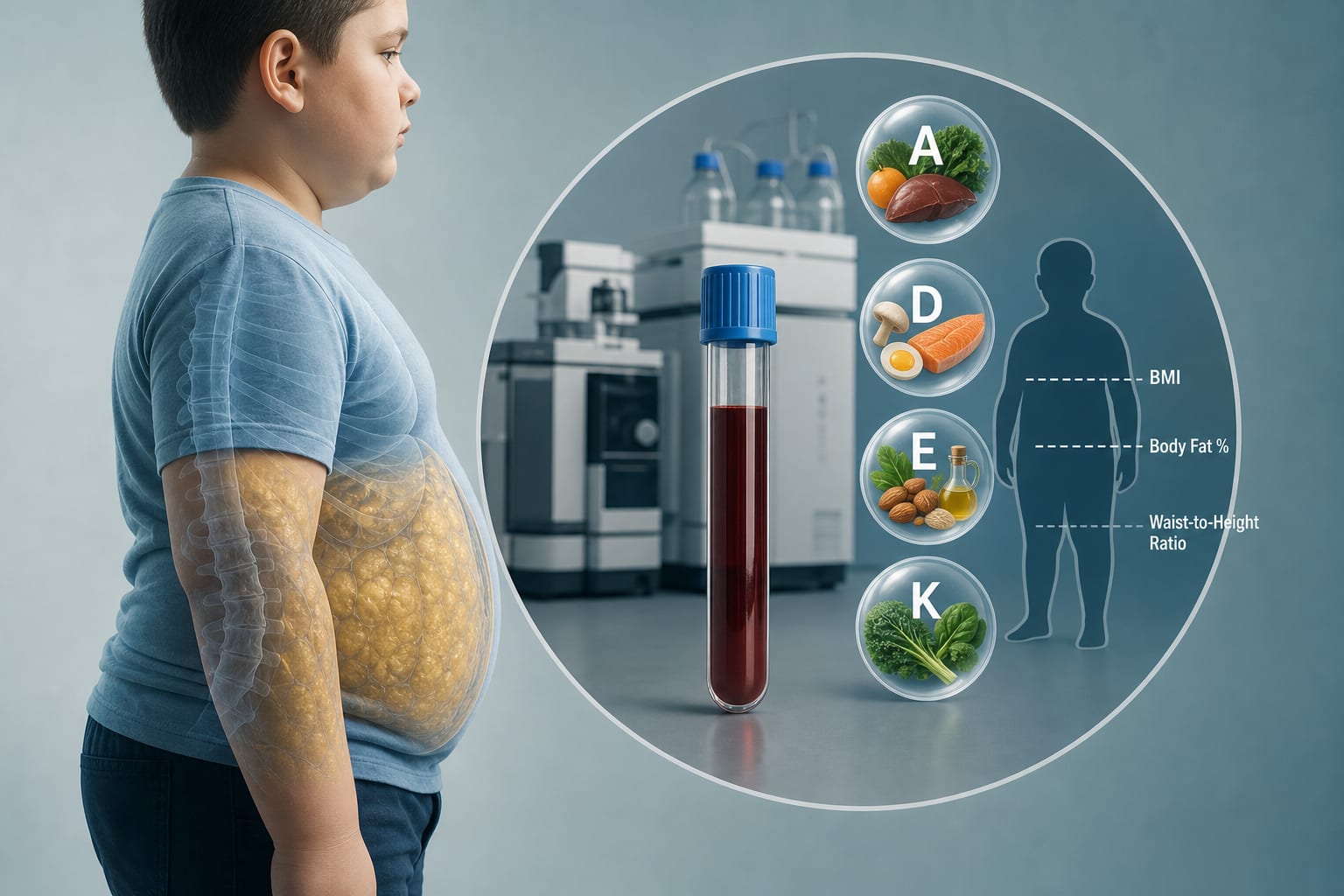
  • ELD serves as an early marker of systemic metabolic imbalance and reflects limited adipose tissue storage capacity.
  • Recent imaging techniques enable non-invasive evaluation of renal lipid content.
  • Therapeutic strategies targeting ELD show promise in conditions like diabetic kidney disease and acute kidney injury.

Clinical Implications

Clinicians should consider lipid metabolism disorders as modifiable risk factors in kidney disease management. Early detection and targeted treatment of ELD may improve patient outcomes and slow disease progression.

Conclusion

Ectopic lipid deposition is a critical factor in renal disorders, highlighting the need for focused research and clinical strategies to address lipid-related complications in kidney disease.

References

  1. Emerging Pharmacological Therapies for Acute Kidney Injury, Intensive Care Medicine, 2022 -- Emerging Pharmacological Therapies for Acute Kidney Injury
  2. Interactions Between Lipid Metabolism and MAFLD: Mechanisms and Treatment Approaches, Frontiers in Endocrinology, 2026 -- Interactions Between Lipid Metabolism and MAFLD
  3. Inter-organ Communication: Strategies and Targets for Cardioprotection and Neuroprotection, Basic Research in Cardiology, 2024 -- Strategies and Targets for Cardioprotection and Neuroprotection
  4. Insights on the Role of Glucagon-Like Peptide-1 Receptor Agonists in Managing Diabetes and Chronic Kidney Disease, European Journal of Preventive Cardiology, 2023 -- Managing Diabetes and Chronic Kidney Disease
  5. 2026 Guideline on the Management of Dyslipidemia, American Heart Association, 2026 -- Management of Dyslipidemia
  6. SGLT2 Inhibitors and Kidney Outcomes by Glomerular Filtration Rate and Albuminuria: A Meta-Analysis, JAMA, 2025 -- SGLT2 Inhibitors and Kidney Outcomes
  7. Renal Fat Accumulation Assessed by MRI or CT and Its Association with Clinical and Metabolic Disorders, PubMed, 2023 -- Renal Fat Accumulation and Clinical Disorders
  8. 2026 Guideline on the Management of Dyslipidemia - Professional Heart Daily | American Heart Association
  9. SGLT2 Inhibitors and Kidney Outcomes by Glomerular Filtration Rate and Albuminuria: A Meta-Analysis | Acid Base, Electrolytes, Fluids | JAMA | JAMA Network
  10. Renal Fat Accumulation Assessed by MRI or CT and Its Association with Clinical and Metabolic Disorders: A Systematic Imaging Review - PubMed

Original Source(s)

Related Content